home

[ Content | Sidebar ]

Thompson St in New York – USA 🇺🇸

January 14th, 2017

International Volvo Photo Locations Part 261

Click for Volvo Photography Locations Overview

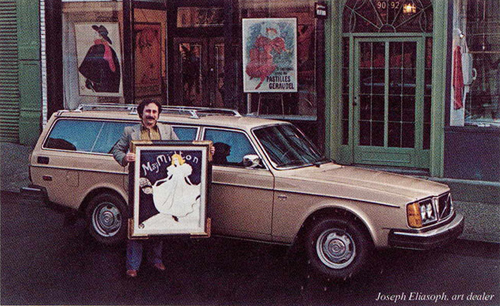
1979 - Volvo 245 GL with Joseph Eliasoph at Belgis-Freidel Gallery on 92 Thompson St in SoHo in New York, USA.
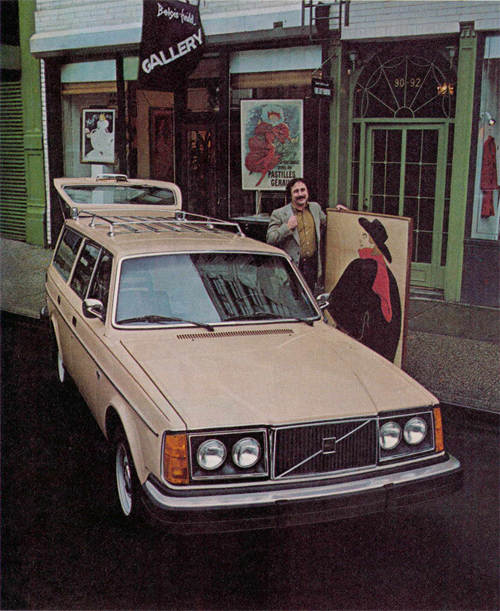
1979 – Volvo 245 GL with Joseph Eliasoph at Belgis-Freidel Gallery on 92 Thompson St in SoHo in New York, USA.
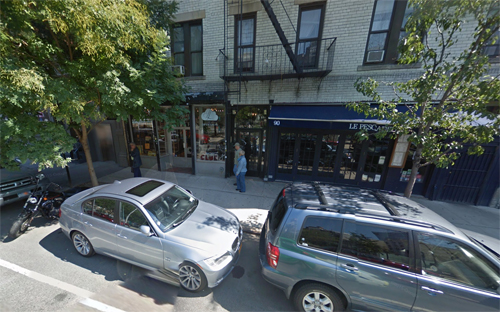
1979 - Volvo 245 GL with Joseph Eliasoph at Belgis-Freidel Gallery on 92 Thompson St in SoHo in New York, USA.

1979 – Volvo 245 GL with Joseph Eliasoph at Belgis-Freidel Gallery on 92 Thompson St in SoHo in New York, USA.

2014 - 92 Thompson St in SoHo in Lower Manhattan in New York (Google Streetview)
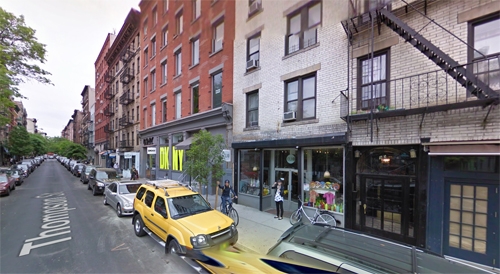
2014 – 92 Thompson St in SoHo in Lower Manhattan in New York (Google Streetview)

2009- 92 Thompson St in SoHo in Lower Manhattan in New York (Google Streetview)

2009- 92 Thompson St in SoHo in Lower Manhattan in New York (Google Streetview)

Thompson Street is a street in the Lower Manhattan neighborhoods of Greenwich Village and SoHo in New York City, which runs north-south, from Washington Square Park at Washington Square South (West Fourth Street) to the Avenue of the Americas (Sixth Avenue) below Grand Street, where the street turns right to Sixth Avenue; it thus does not connect with Canal Street just a half block south of the turning point. It runs parallel to and between Sullivan Street (to the west), and LaGuardia Place (formerly Laurens Street) which becomes West Broadway (to the east).
Vehicular traffic goes southbound.

The street was named for Revolutionary War Brigadier General William Thompson, who served in New York and Canada.
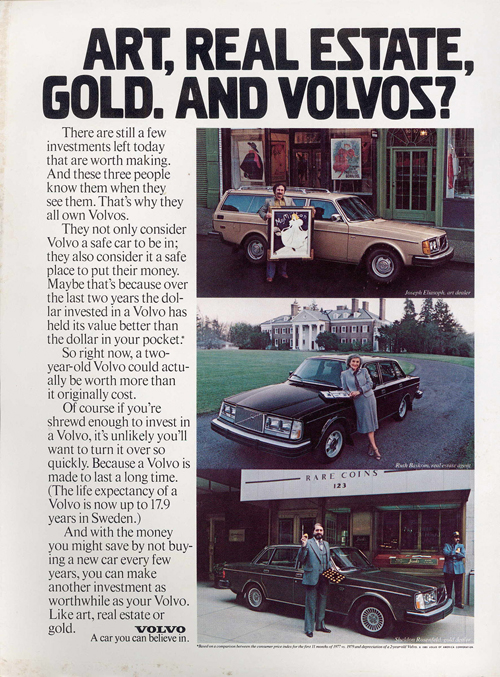
1980 - Volvo 200 series USA Advertisement

1980 – Volvo 200 series USA Advertisement

The Belgis-Freidel Fine Art Gallery was established in 1977 as one of the early galleries in SoHo. They started at 92 Thompson St in 1977 and have moved around to several locations in Manhattan. Recently, they moved to Long Island, New York and are available by appointment only. They specialize in works on paper. Their inventory includes David Hockney, Jim Dine, Henri Matisse, Pablo Picasso, George Rouault, Henri de Toulouse-Lautrec and a large collection of original Art Nouveau and Art Deco posters.

Joseph Eliasoph, the man standing with the Volvo 245 in the advertisement really worked at the Belgis-Freidel Gallery in 1980. But he has traded the art-poster business for the more lucrative real estate business, as he mentioned to me, after I found him. Today he is senior managing director at a large real estate company in Queens, Long Island City. He liked the Volvo a lot, it has lasted 220 000 miles with him. Today, he drives a BMW sedan, but there still is a 2014 Volvo Wagon in the family!
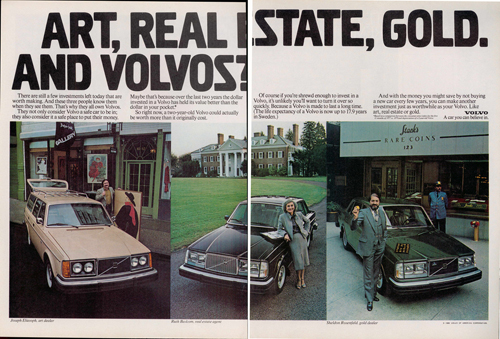
1980 - Volvo 200 series USA Advertisement

1980 – Volvo 200 series USA Advertisement

SoHo, sometimes written Soho, is a neighborhood in Lower Manhattan, New York City, which in recent history came to the public’s attention for being the location of many artists’ lofts and art galleries, but is now better known for its variety of shops ranging from trendy upscale boutiques to national and international chain store outlets. The area’s history is an archetypal example of inner-city regeneration and gentrification, encompassing socio-economic, cultural, political and architectural developments.

The name “SoHo” refers to the area being “South of Houston Street”, and was also a reference to Soho, an area in London’s West End.[4] It was coined by Chester Rapkin, an urban planner and author of The South Houston Industrial Area study, also known as the “Rapkin Report”. This began a naming convention that became a model for the names of emerging and re-purposed neighborhoods in New York such as TriBeCa for “Triangle Below Canal Street”, DUMBO (“Down Under the Manhattan Bridge Overpass”), NoHo (“North of Houston Street”), Nolita (“North of Little Italy”) and NoMad (“North of Madison Square”), among others.

Almost all of SoHo is included in the SoHo-Cast Iron Historic District, which was designated by the New York City Landmarks Preservation Commission in 1973, extended in 2010, and was listed on the National Register of Historic Places and declared a National Historic Landmark in 1978. It consists of 26 blocks and approximately 500 buildings,[8] many of them incorporating cast-iron architectural elements. Many side streets in the district are paved with Belgian blocks.

Frank Zappa (December 21, 1940 – December 4, 1993) has lived at 180 Thompson Street, he was a famous composer, singer-songwriter, guitarist, recording engineer, music producer and film director.
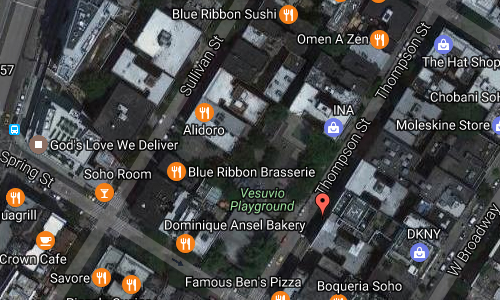
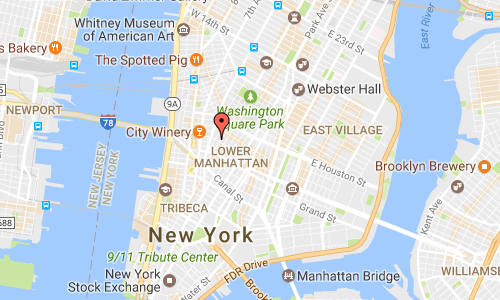
2017 - Thompson St in New York Maps02

2017 - Thompson St in New York Maps01

More information at en.wikipedia.org and belgisfreidel.com.
Volvo Photography Locations

West 57th St in New York – USA 🇺🇸

January 12th, 2017

International Volvo Photo Locations Part 260
Click for Volvo Photography Locations Overview

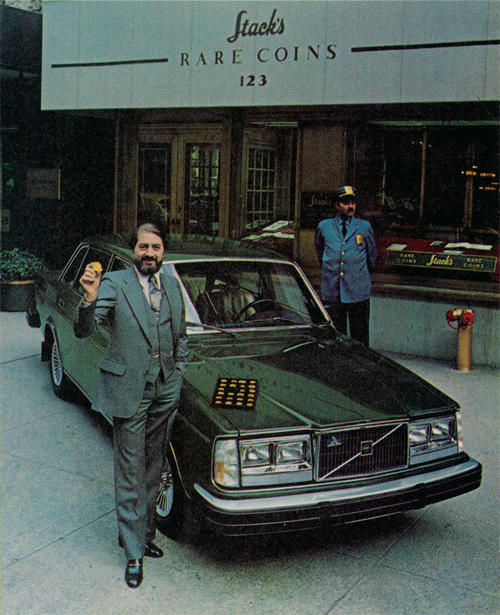
1980 - Volvo 264 GLE with Sheldon Rosenfeld at Stack's Rare Coins on 123 W 57th St in New York USA.

1980 – Volvo 264 GLE with Sheldon Rosenfeld at Stack’s Rare Coins on 123 W 57th St in New York USA.

1980 - Volvo 264 GLE with Sheldon Rosenfeld at Stack's Rare Coins on 123 W 57th St in New York USA.

1980 – Volvo 264 GLE with Sheldon Rosenfeld at Stack’s Rare Coins on 123 W 57th St in New York USA.

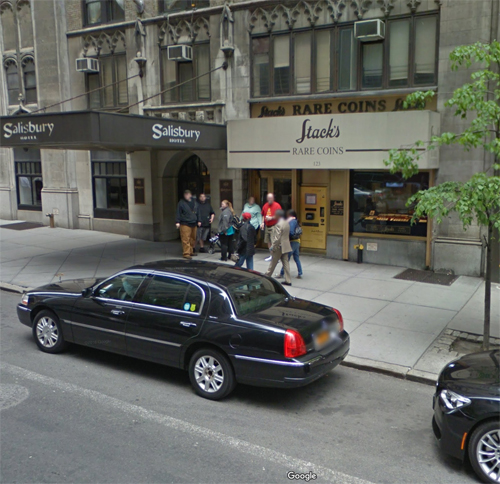
2017 - Stack's Rare Gold on 123 W 57th St in Midtown, New York, USA (Google Streetview)

2017 – Stack’s Rare Gold on 123 W 57th St in Midtown, New York, USA (Google Streetview)

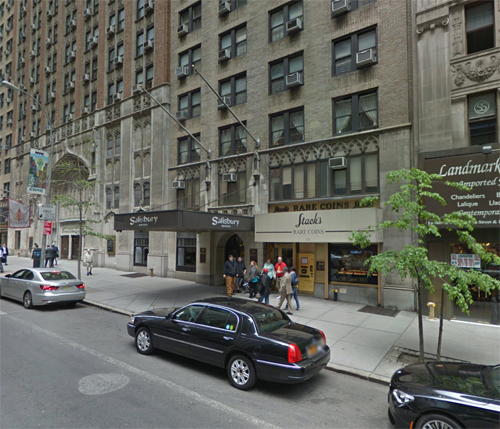
2017 - Stacks Rare Gold (Google Streetview)

2017 – Stack’s Rare Gold on 123 W 57th St in Midtown, New York, USA (Google Streetview)

Stack’s Rare Coins is located on 123 West 57th Street, between 6th and 7th Avenue, just south of the Central Park.

57th Street is one of New York City’s major thoroughfares, which runs as a two-way street east-west in the Midtown section of the borough of Manhattan, from the New York City Department of Sanitation’s dock on the Hudson River at the West Side Highway to a small park overlooking the East River built on a platform suspended above the FDR Drive. Between Fifth and Eighth Avenue, it is two blocks south of Central Park. 57th Street is notable for prestigious art galleries, restaurants and up-market shops.

1980 - Volvo 200 series USA Advertisement

1980 – Volvo 200 series USA Advertisement

1980 - Volvo 200 series USA Advertisement

1980 – Volvo 200 series USA Advertisement

Beginning with the construction of One57, a 1,004-foot (306 m) apartment building between Sixth and Seventh Avenues which was completed in 2014, a large number of very tall ultra-luxury residential buildings have been constructed or proposed on the section of 57th Street roughly corresponding to the southern edge of Central Park. Due to the often record-breaking prices that have been set for the apartments in these buildings, the press has dubbed this section of 57th Street as “Billionaires’ Row”. These projects have generated controversy concerning the economic conditions and zoning policies that have encouraged these buildings, as well as the impact these towers will have on the surrounding neighborhoods and the shadows they will cast on Central Park.

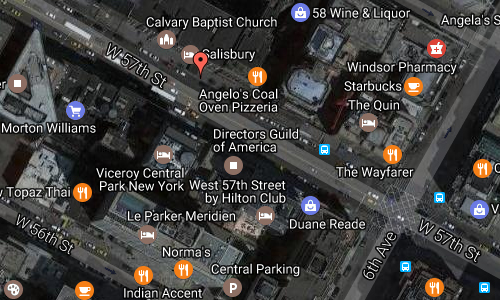
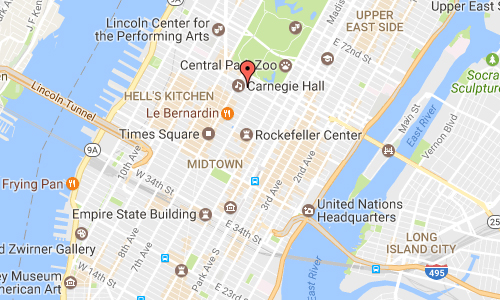
2017 - West 57th St in New York Maps02

2017 - West 57th St in New York Maps01

More information at en.wikipedia.org and www.stacksbowers.com.

Volvo Photography Locations

Toldbodgade in Copenhagen – DK 🇩🇰

January 12th, 2017

International Volvo Photo Locations Part 259
Click for Volvo Photography Locations Overview

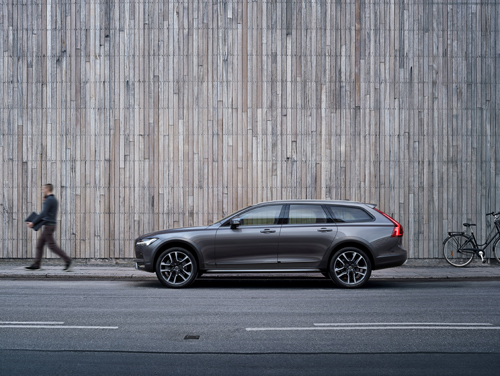
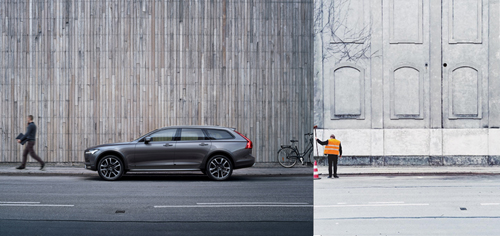
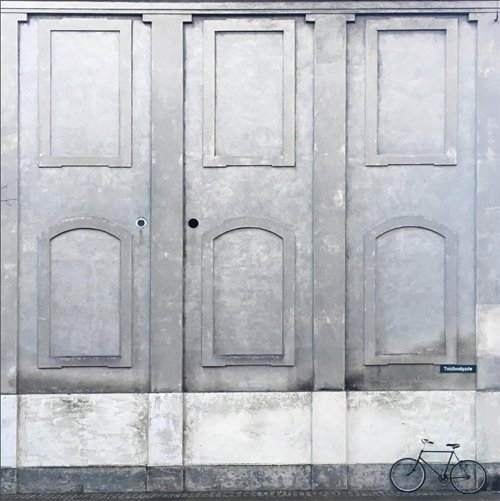
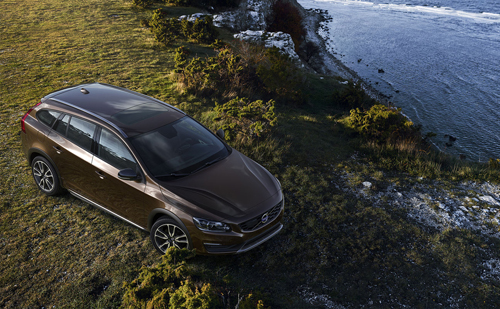
2016 - Volvo V90 Cross Country at the corner of 42 Amaliegade and Toldbodgade in Köpenhamn, Denmark

2016 – Volvo V90 Cross Country at the corner of 42 Amaliegade and Toldbodgade in Copenhagen, Denmark 🇩🇰

2016 - Volvo V90 Cross Country at the corner of 42 Amaliegade and Toldbodgade in Köpenhamn, Denmark

2016 – Volvo V90 Cross Country at the corner of 42 Amaliegade and Toldbodgade in Copenhagen, Denmark 🇩🇰

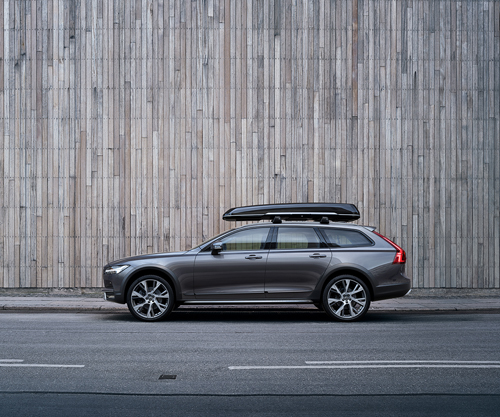
2016 – Volvo V90 Cross Country at the corner of 42 Amaliegade and Toldbodgade in Copenhagen 🇩🇰

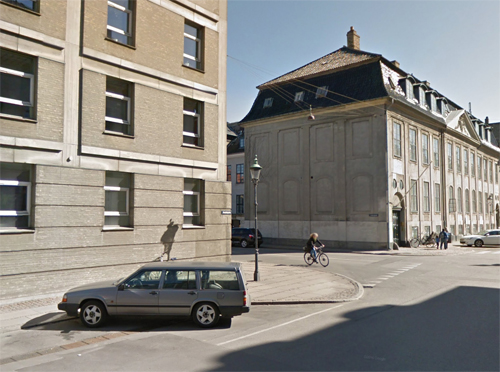
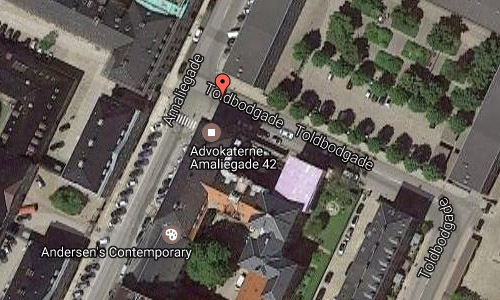
2017 - Toldbodgade in Copenhagen Denmark (Google Streetview)

2017 – Toldbodgade seen from the Amaliegade in Copenhagen, Denmark (Google Streetview)

Tolbodgade is a street in Copenhagen, Denmark.

Toldbodgade (lit. “Custom House Street”) is a street in central Copenhagen, Denmark. It extends north from Nyhavn at the Nyhavn Bridge, continuing Holberggade, passes Sankt Annæ Plads after just one block, and continues straight until it reaches West India Warehouse where it makes a sharp left turn which connects it to Amaliegade, its parallel street, at the rear of the Design Museum.

The east side of the street is lined by a series of 18th century warehouses whose other sides face the Larsens Plads waterfront, which was a major hub for emigration to America.

How did I find this Volvo Photo Locations?
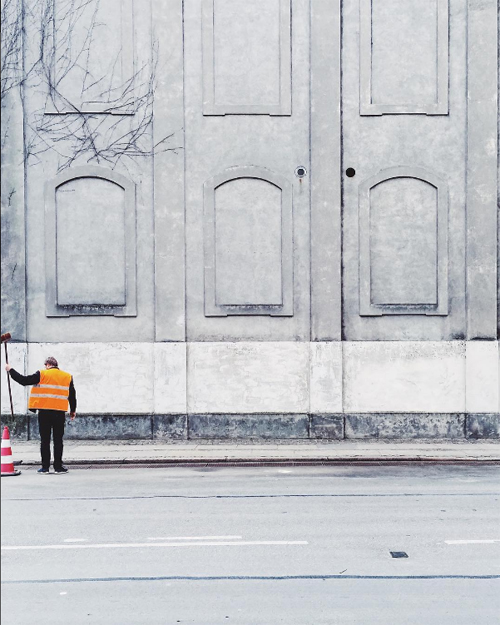
Left the photo from the advertisement, left a photo I found on Instagram from the photographer. Compare the two photos and yo see the lines on the street and the black square? That proves its the same place!

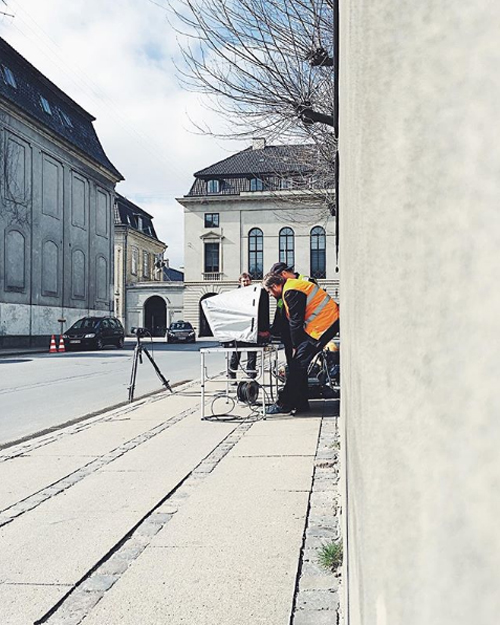
2016 - The making of... 'This is Made' working on location at the corner of 42 Amaliegade and Toldbodgade in Köpenhamn, Denmark

2016 – The making of… ‘This is Made’ working on location at the corner of 42 Amaliegade and Toldbodgade in Köpenhamn, Denmark (Source: This Is Made)

2016 – The making of… ‘This is Made’ working on location at the corner of 42 Amaliegade and Toldbodgade in Köpenhamn, Denmark (Source: This Is Made)

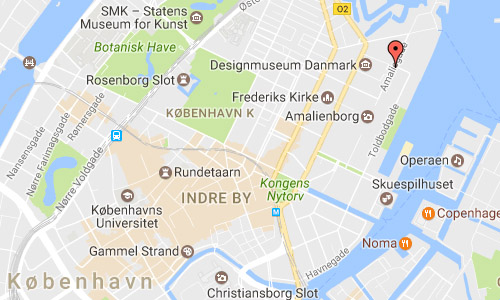
Toldbodgade is centrally located between some of Copenhagen’s most popular visitor attractions, including Nyhavn to the south, Amalienborg Palace and the design museum to the west and the Citadel and Langelinie with the The Little Mermaid, although most pedestrians opt for the waterfront promenade along Larsens Plads.

2016 - Toldbodgade in Copenhagen by annettepryce on instagram

2016 – Toldbodgade in Copenhagen by annettepryce on instagram

The old warehouses have been converted for other uses. The West India Warehouses now house the Royal Cast Collection, part of the National Gallery, as well as an exhibition of costumes from the Royal Danish Theatre, while the Double Warehouse has become the Copenhagen Admiral Hotel.

2017 - Toldbodgade in Copenhagen Maps02

Toldbodgade in Copenhagen Maps01

More information at en.wikipedia.org and www.visitcopenhagen.com.

Volvo Photography Locations

Hallshuk on Gotland 🇸🇪

January 8th, 2017

Volvo Photo Locations Part 262
Historic Volvo Photography Locations Overview

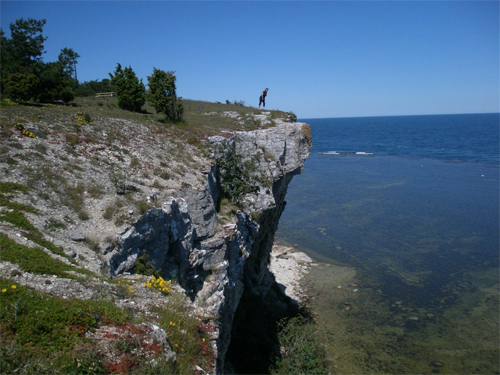
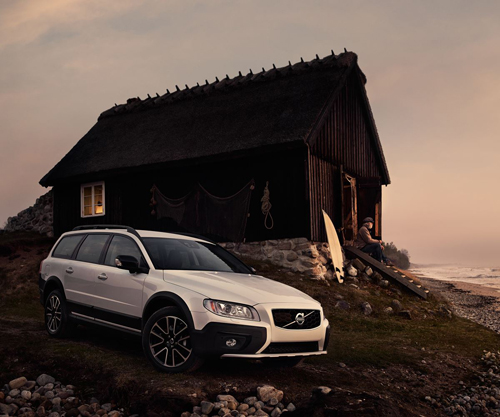
2016 - Volvo V60 Cross Country at Hallshuk on Gotland Sweden

2016 – Volvo V60 Cross Country at Hallshuk on Gotland Sweden

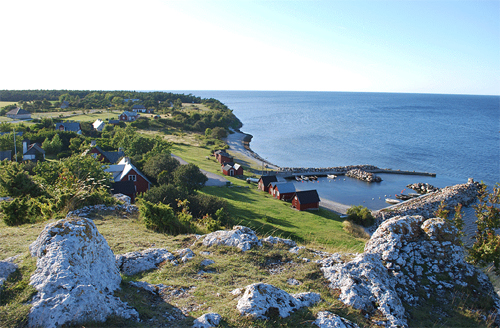
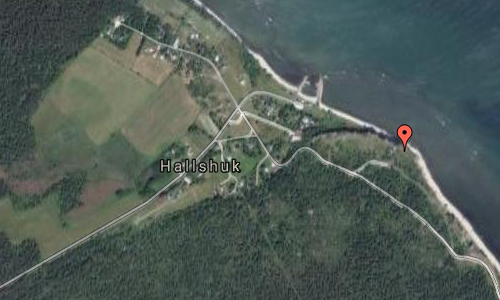
2017 - Hallshuk on Gotland

2017 – Hallshuk on Gotland

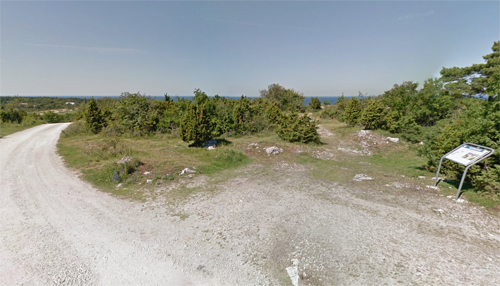
2017 - Hallshuk on Gotland (Google Streetview)

2017 – Hallshuk on Gotland (Google Streetview)

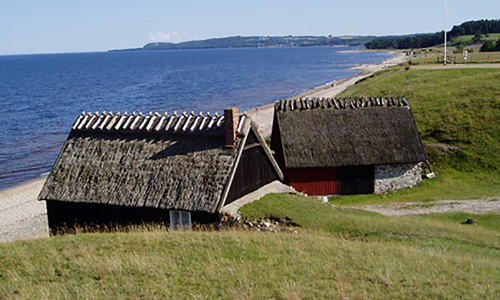
Hallshuk a high coastal cliff on Harudden on the northwestern island of Gotland. Not far from Hallshuk there is a lighthouse and Halls fishing village, where Hallshuks fish chapel is located.

During earlier times Hallshuk was one of the most important fishing villages on the island of Gotland, and served not only nearby farmers, but also fishermen from Visby, Västergarn and Gnisvärd. Hallshuk has no natural harbor, and is not really suitable fishing port, but the proximity to the fishing grounds was crucial situation. In 1927, a modern fishing port with piers in the water was built.

2017-hallshuk-on-gotland-02

The harsh nature here has been sparsely populated and large areas have been relatively undisturbed by man. For the conservation area was established in 1967 the 22-square-km Hall Hangvars naturreservat. Natural qualities are lost when the reserve requirements had opportunities to restrict the landowners’ right to engage in forestry.

However, car traffic is prohibited on the smaller roads within the reserve, as well as camping. Fires are also prohibited from May to October.

In the middle parts of natur reservat is Hätftingsklint, a cliff with impressive views of the Baltic Sea. At the top is an ancient castle.

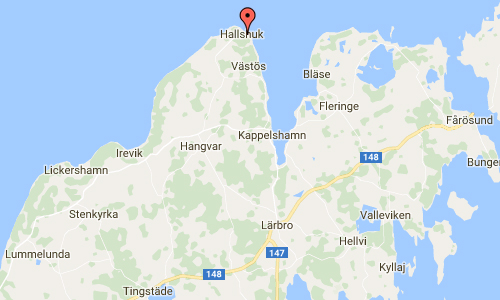
2017-hallshuk-on-gotland-maps01

2017-hallshuk-on-gotland-maps02

More information at sv.wikipedia.org and www.hallshuk.se.

Volvo Photo Locations

Bodilla färjan at Fårösund on Gotland 🇸🇪

January 8th, 2017

Volvo Photo Locations Part 261
Historic Volvo Photography Locations Overview

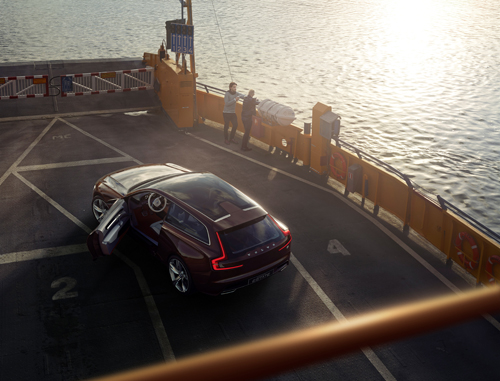
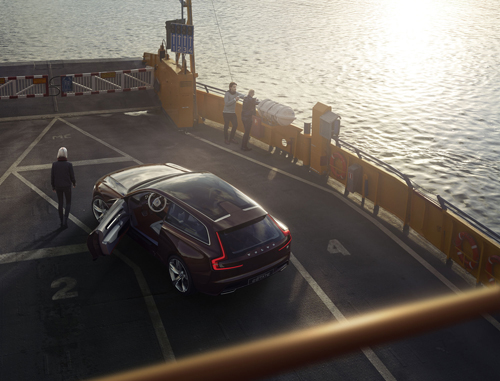
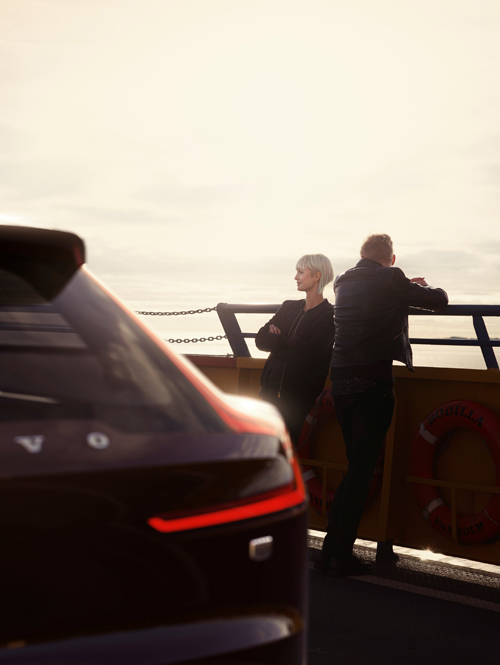
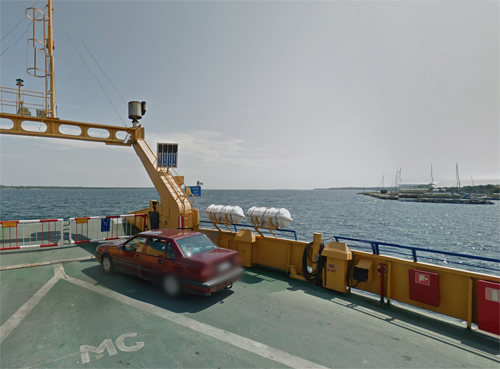
2014 – Volvo Concept Estate on Bodilla färjan or ferry which runs in the Fårösundsleden from Fårösund to Fårö on Gotland, Sweden 🇸🇪.

2014 - Volvo Concept Estate on Bodilla färjan or ferry which runs in the Fårösundsleden to Fårö on Gotland, Sweden.

2014 – Volvo Concept Estate on Bodilla färjan or ferry which runs in the Fårösundsleden from Fårösund to Fårö on Gotland, Sweden 🇸🇪.

2014 – Volvo Concept Estate on Bodilla färjan at Fårösundsleden on Gotland, Sweden 🇸🇪.

2014 – Volvo Concept Estate on Bodilla färjan at Fårösundsleden on Gotland, Sweden 🇸🇪.

2017 - Nina ferry at Fårösund (Google Streetview)

2017 – Nina ferry at Fårösund (Google Streetview)

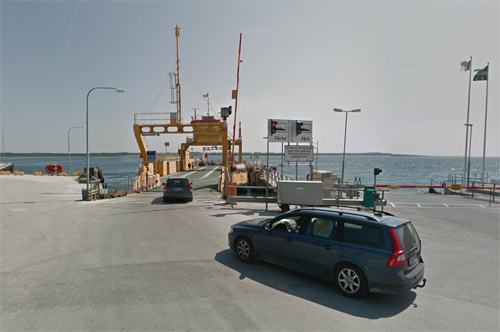
2017 - Entry on Bodilla ferry at Fårösund (Google Streetview)

2017 – Entry on Bodilla ferry at Fårösund (Google Streetview)

Bodilla färjan or ferry is a ferry that runs in the Fårösundsleden between Fårösund to Fårö on Gotland, Sweden. There are two ferries crossing the Fårösundsleden, Bodilla and Nina.

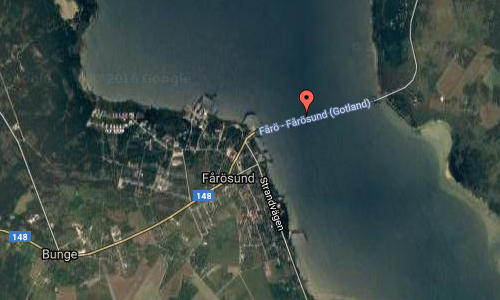
Fårösundsleden is the connection to Fårö with the outside world and a ferry that runs between Fårösund (on Gotland) and Fårö. The distance is about 1.5 kilometers long and are frequently used during the tourist season as it often occurs queues on both sides of the ferry route. Travellers with permanent accommodation at Faro have priority with access to the ferry. During high season running the two ferries as often as they can.

Crossing time takes about 6-8 minutes. Throughout the summer, ferries every half hour in the morning and evening, and every fifteen minutes during the day. During winter it always every half hour.

Fårösund is a locality situated on the Swedish island of Gotland with 800 inhabitants in 2014. The village can be reached by car from Visby. The island of Fårö can be reached by ferry from Fårösund.

Fårösund is the northernmost town in the municipality of Gotland in Gotland County, about 56 km (35 mi) north of Visby. Fårösund is situated on the seafront overlooking the island of Fårö and is visited by tourists during the summer, but it is usually a quiet community in the autumn, winter and spring. Until the mid-1900s it was a small quiet resort as well as a ferry terminal for ferries to Fårö.

Fårösund is also the name of the strait between Gotland’s “mainland” and Fårö.

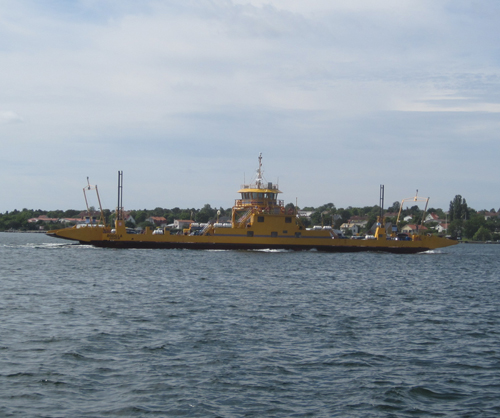
2016 - Bodilla ferry on Fårösundsleden during summer 2016 (own photo)

2016 – Bodilla ferry on Fårösundsleden during summer 2016 (own photo)

Färjan Bodilla is built in 1976 (renovated in 1994) by Lunde shipyards. It has a capacity of 298 passengers and 40 cars.

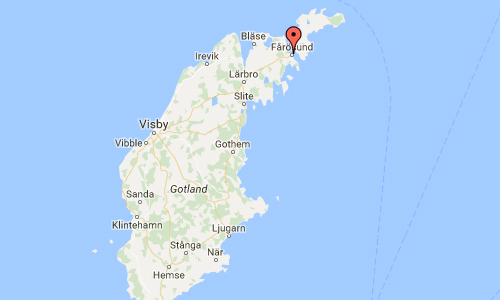
2017-farosundsleden-maps02

2017-farosundsleden-maps01

More information at sv.wikipedia.org, www.skargardsbatar.se and www.trafikverket.se.

Volvo Photo Locations

Roma kloster on Gotland 🇸🇪

January 8th, 2017

Volvo Photo Locations Part 260
Historic Volvo Photography Locations Overview

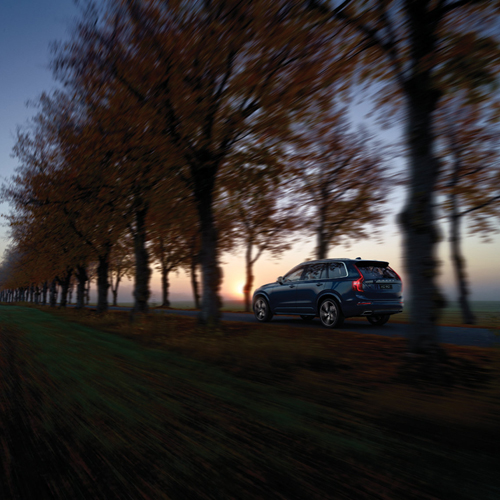
2016 - Volvo XC90 in Roma kloster in Roma Gotland Sweden

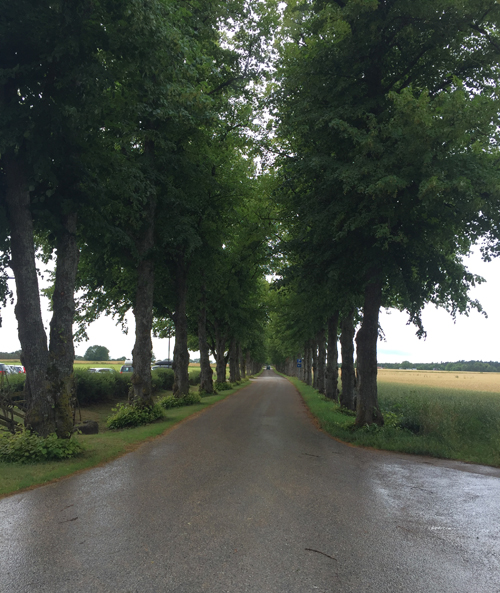
2016 – Volvo XC90 on Roma Kungsgård Allé to Roma Kungsgård in Romakloster near Roma on Gotland, Sweden 🇸🇪.

2016 - Volvo XC90

2016 – Volvo XC90 on Roma Kungsgård Allé to Roma Kungsgård in Romakloster near Roma on Gotland, Sweden 🇸🇪.

2016 - Volvo XC90

2016 – Volvo XC90 on Roma Kungsgård Allé to Roma Kungsgård in Romakloster near Roma on Gotland, Sweden 🇸🇪.

2016 - Volvo XC90

2016 – Volvo XC90 on Roma Kungsgård Allé to Roma Kungsgård in Romakloster near Roma on Gotland, Sweden 🇸🇪.

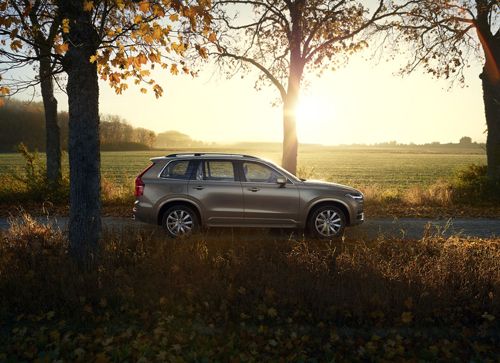
2014 - Volvo Concept Estate

2014 – Volvo Concept Estate on Roma Kungsgård Allé to Roma Kungsgård in Romakloster near Roma on Gotland, Sweden 🇸🇪.

2014 – Volvo Concept Estate on Roma Kungsgård Allé to Roma Kungsgård in Romakloster near Roma on Gotland, Sweden 🇸🇪.

2014 – Volvo Concept Estate on Roma Kungsgård Allé to Roma Kungsgård in Romakloster near Roma on Gotland, Sweden 🇸🇪.

2014 – Volvo Concept Estate on Roma Kungsgård Allé to Roma Kungsgård in Romakloster near Roma on Gotland, Sweden 🇸🇪.

2014 – Volvo Concept Estate on Roma Kungsgård Allé to Roma Kungsgård in Romakloster near Roma on Gotland, Sweden 🇸🇪.

2014 – Volvo Concept Estate on Roma Kungsgård Allé to Roma Kungsgård in Romakloster near Roma on Gotland, Sweden 🇸🇪.

2014 – Volvo Concept Estate on Roma Kungsgård Allé to Roma Kungsgård in Romakloster near Roma on Gotland, Sweden 🇸🇪.

2014 – Volvo Concept Estate on Roma Kungsgård Allé to Roma Kungsgård in Romakloster near Roma on Gotland, Sweden 🇸🇪.

2014 – Volvo Concept Estate on Roma Kungsgård Allé to Roma Kungsgård in Romakloster near Roma on Gotland, Sweden 🇸🇪.

2014 - Volvo Concept Estate

2014 – Volvo Concept Estate on Roma Kungsgård Allé to Roma Kungsgård in Romakloster near Roma on Gotland, Sweden 🇸🇪.

2014 - Volvo Concept Estate

2014 – Volvo Concept Estate on Roma Kungsgård Allé to Roma Kungsgård in Romakloster near Roma on Gotland, Sweden 🇸🇪.

2014 - Volvo Concept Estate

2014 – Volvo Concept Estate on Roma Kungsgård Allé to Roma Kungsgård in Romakloster near Roma on Gotland, Sweden 🇸🇪.

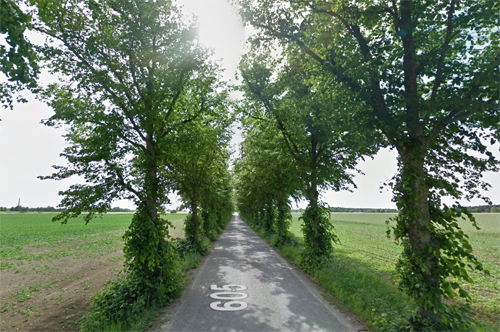
2017 - Road 605 to Roma kloster on Roma Kungsgård in Roma on Gotland (Google Streetview)

2017 – Road 605 to Roma kloster on Roma Kungsgård in Roma on Gotland (Google Streetview)

2016 - Road towards Roma kloster on Roma Kungsgård on Gotland (own photo during vacation 2016)

2016 – Road towards Roma kloster on Roma Kungsgård on Gotland (own photo during vacation 2016)

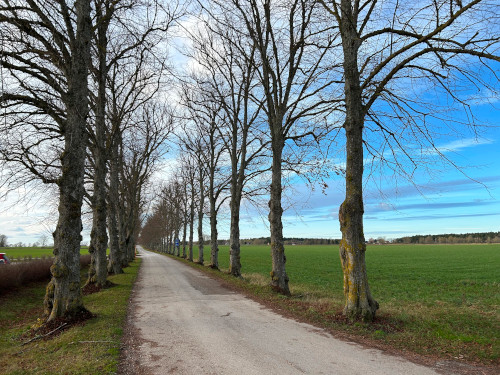
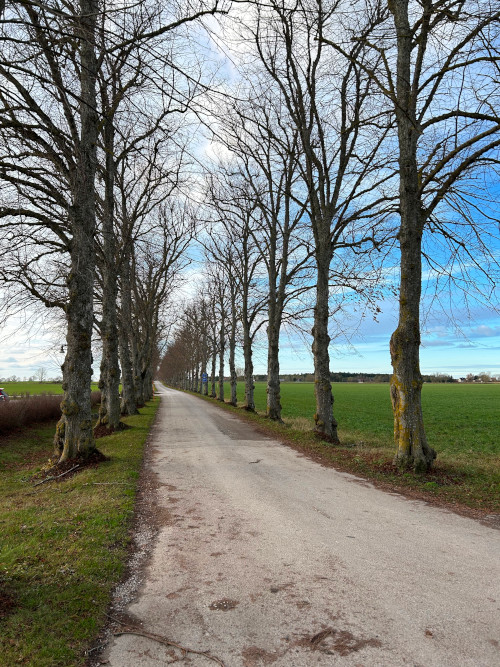
2025 – Road towards Roma kloster on Roma Kungsgård on Gotland (own photo during vacation in November 2025)

2025 – Road towards Roma kloster on Roma Kungsgård on Gotland (own photo during vacation in November 2025)

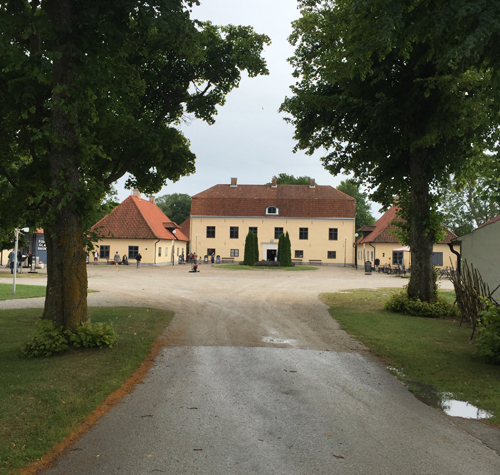
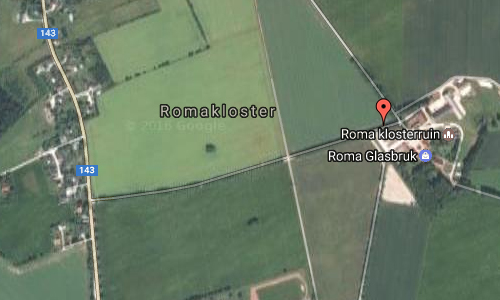
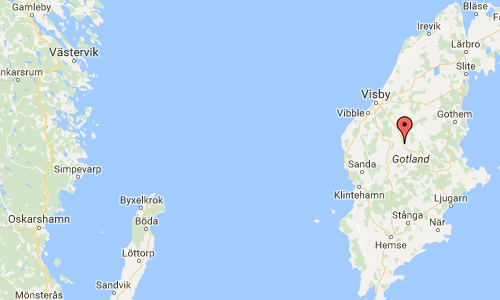
Roma Abbey (Swedish: Roma kloster) is a ruined Cistercian abbey and a crown estate in Roma on the Swedish island of Gotland. The abbey was built in the 12th century. After the Reformation, its lands were confiscated by the Crown and subsequently turned into a crown estate. Apart from the ruined church, the estate includes a manor house built in 1733 for the crown estate, known in Swedish as Roma kungsgård. The manorial cultural landscape with avenues and large fields surrounding the ruined church and the manor is unique on Gotland.

Roma Abbey is located in an area with old cultural traditions. The thing for all of Gotland was located on this strategical location on the middle of the islands, possibly as early as the Viking Age. Usually during the Middle Ages, abbeys like Roma were founded on land donated by the land-owning aristocracy, and the absence of any such group on Gotland may explain the location of the abbey. The land around the thing was common property and could therefore be used for founding an abbey.[1] The abbey was founded in 1164 by Cistercian monks from Nydala Abbey in Småland on mainland Sweden. Its name in Latin was Sancta Maria de Gutnalia. Eventually the abbey grew in importance and acquired large landholdings both on Gotland and in the present-day Baltic states. The abbey had particularly large holdings on Saaremaa island and in present-day mainland Estonia.

2016 - Roma kloster (own photo)

2016 – Roma kloster (own photo)

During the Reformation, the abbey was disbanded and its lands on Gotland confiscated by the Danish Crown circa 1531 (as Gotland at the time belonged to Denmark). The abbey was converted into the seat of the Danish governor, and the buildings that no longer served any direct purpose were left to decay. After the Peace of Brömsebro in 1645, when Gotland became Swedish, it became the property of the Swedish Crown. In practice, the change of ownership meant few tangible changes for the estate. Towards the end of the 17th century, the Swedish Crown had put the land out for rent as a leasehold estate. In 1728 it befell the governor of Gotland, Johan Didrik Grönhagen. He constructed the manor house, partially using building material from the abbey.

During World War II, a military airfield was established nearby and the manor house and its annexes were used by the military up until the 1990s. During this time the abbey suffered further neglect and damage.

Today the abbey and the manor are owned by the National Property Board of Sweden. During summer theatre plays are staged among the ruins, a tradition that was initiated in 1989 and today attracts as many as 25,000 visitors every year, according to the organisers.

2017-roma-kloster-on-roma-kungsgard-in-roma-gotland-maps02

2017-roma-kloster-on-roma-kungsgard-in-roma-gotland-maps01

More information at sv.wikipedia.org and www.sfv.se.

Volvo Photo Locations

Lövdalens ålabod in Haväng 🇸🇪

January 7th, 2017

Volvo Photo Locations Part 259
Historic Volvo Photography Locations Overview

2015 - Volvo XC70 Sport

2015 – Volvo XC70 Sport at Lövdalens ålabod in Haväng, near Skepparp in Ravlunda socken, Simrishamns kommun, Österlen

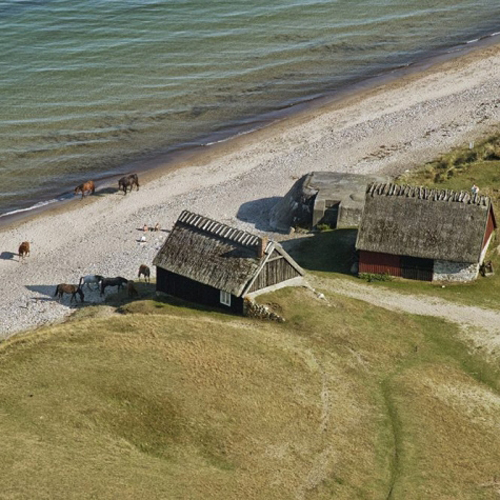
2017 - Lövdalens ålabod in Haväng

2017 – Lövdalens ålabod in Haväng, near Skepparp in Ravlunda socken, Simrishamns kommun, Österlen

2017 - Lövdalens ålabod in Haväng

2017 – Lövdalens ålabod in Haväng, near Skepparp in Ravlunda socken, Simrishamns kommun, Österlen

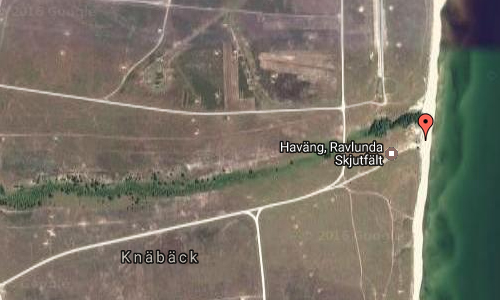
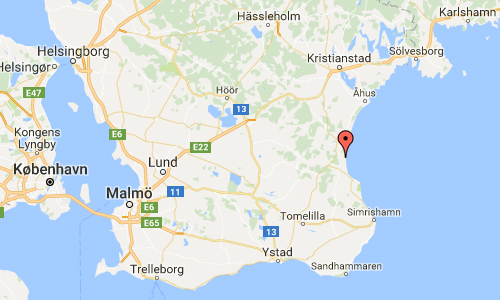
Lövdalens ålabod is a small fishermens house at the eastern coast in Haväng, near Skepparp in Ravlunda socken, Simrishamns kommun, Österlen

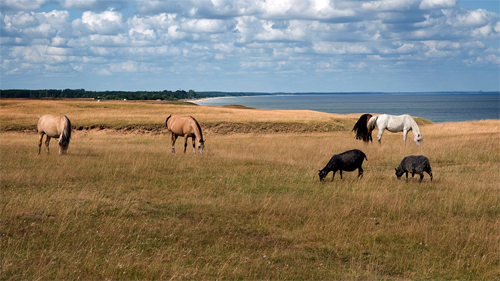
Haväng is a well known destination on the east coast of Skåne. Because of its location at Hanöbukten southern part, just north of Stenshuvud and near Brösarp Backen, Haväng is a popular destination for tourists Österlen. Haväng lies within Verkaåns nature reserve and is characterized by an almost unique landscape with rare sand steppe vegetation and rich flora and fauna.

2017-lovdalens-alabod-in-havang

A few kilometers south of Haväng is Vitemölla and Kivik. From the beach at Verkeån estuary and over two kilometers into the sea, on the seabed well-preserved remains of a pine forest from the older Stone Age. The remains consist among other things of stumps and fallen trunks, the oldest of which dated with the C14 method to an age of 10 500 years. In the same area there are thick layers of mud during the Palaeolithic ousted in Verkeån ancient flooded valley. In gyttjelagren archaeologists have encountered several fish plants of wood that is the oldest known in the world.

Österlen is the southeastern part of the Swedish province of Scania. The name derives from its location ‘east of the route’ (ancient route from Ystad, heading north-east); ‘Öster om len’ (‘len’ is short for leden, i.e. route). The principal town of Österlen is Simrishamn. It is famous for beautiful nature, small towns, apple orchards, farmland and is a popular tourist attraction.

Many songs and poems have been written about Österlen. One of the most popular songs is “Om himlen och Österlen”, composed by Scanian singer-songwriter Michael Saxell.

2017-lovdalens-alabod-in-havang-maps02

2017-lovdalens-alabod-in-havang-maps01

More information at brosarp.se and havangsmuseiforening.se.

Volvo Photo Locations

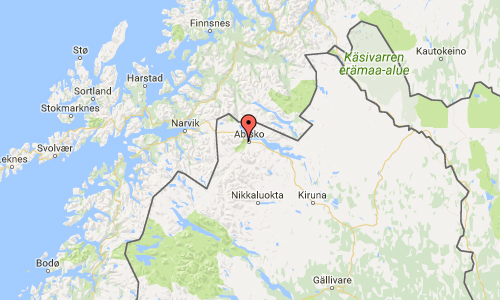
Lapporten in Abisko 🇸🇪

January 7th, 2017

Volvo Photo Locations Part 258
Historic Volvo Photography Locations Overview

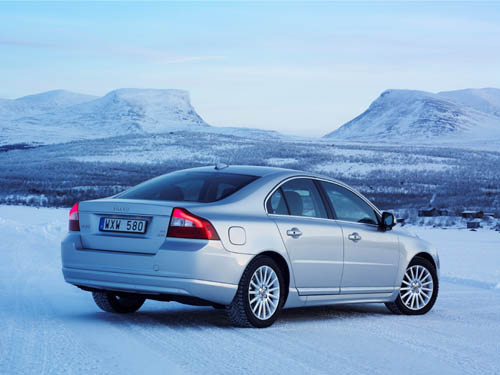
2008 - Volvo S80 on lake Torneträsk near Abisko with great view on Lapporten in Sweden

2008 – Volvo S80 on lake Torneträsk near Abisko with great view on Lapporten in Sweden

2008 - Volvo S80 on lake Torneträsk near Abisko with great view on Lapporten in Sweden

2008 – Volvo S80 on lake Torneträsk near Abisko with great view on Lapporten in Sweden

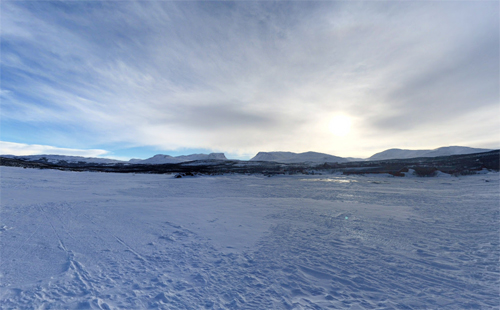
2017 - View on Lapporten from lake Torneträsk near Abisko (Google Streetview)

2017 – View on Lapporten from lake Torneträsk near Abisko (Google Streetview)

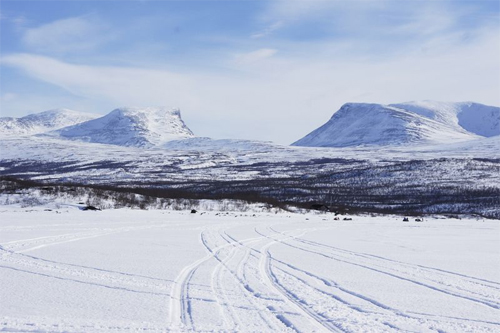
From lake Torneträsk you get an excellent view on Lapporten (Swedish: “The Lapponian Gate”) or Tjuonavagge, a U-shaped valley in Lapland in northern Sweden.
Lapporten is one of the most familiar natural sights of the mountains there. The valley is bounded to the southwest of the mountain Nissuntjårro (1,738 m) and in the northeast of Tjuonatjåkka (1,554 m). In the middle of the valley lies Lake Čuonjájávri, 950 metres above sea level.

2017-lapporten-streetview2

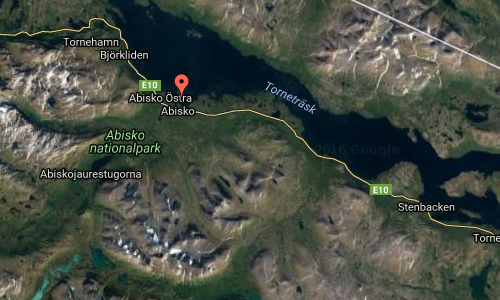
Torneträsk or Torne träsk (Saami: Duortnosjávri, Finnish/Meänkieli: Tornio or Torniojärvi) is a lake in Kiruna Municipality, Lapland, Norrbotten County in Sweden, in the Scandinavian mountain range. Träsk is the local word for lake (in Standard Swedish it means “swamp”). It is the sixth largest lake in Sweden, with a total area of 330 square kilometres (130 sq mi) and a length of 70 kilometres (43 mi). The lake drains to the south-east through Torne älv. South-west of the lake lie the Abisko National Park and the UNESCO World Heritage Site Laponian area.

Torneträsk originated from the remnant of a glacier, which has given the lake its depth of 168 metres (551 ft), making it the second deepest lake in Sweden. It is usually ice-covered from December through June, with variations dependent on temperature variations.

The terrain is easy to walk but has no marked trail. Lapporten is in the Nissuntjårro Natura 2000 site.

2017-lapporten-maps02

2017-lapporten-maps01

More information at www.sverigesnationalparker.se and sv.wikipedia.org.

Thanks to Per Pettersson for finding this Volvo Photo Location!

Volvo Photo Locations

Byfogdegatan in Göteborg 🇸🇪

January 7th, 2017

Volvo Photo Locations Part 257
Historic Volvo Photography Locations Overview

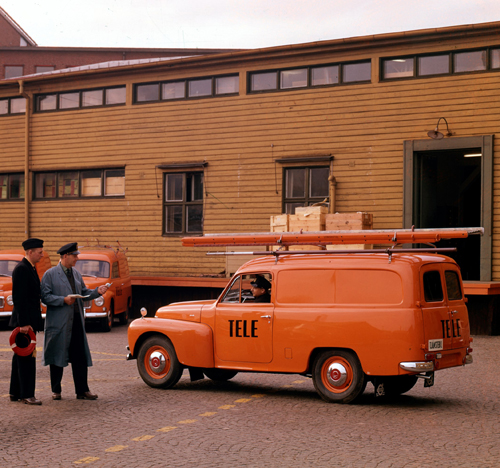
1964 - Volvo P210 Skåpvagn at Byfogdegatan 3 in Göteborg

1964 – Volvo P210 Skåpvagn at Televerkets Warehouse on Byfogdegatan 3 in Göteborg

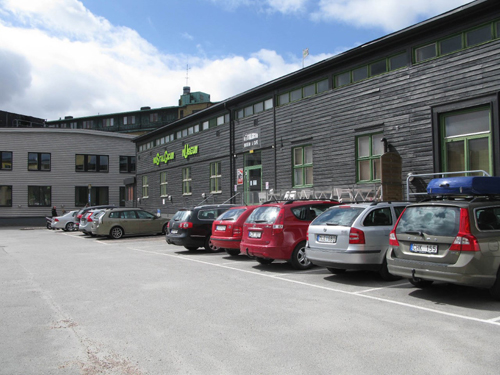
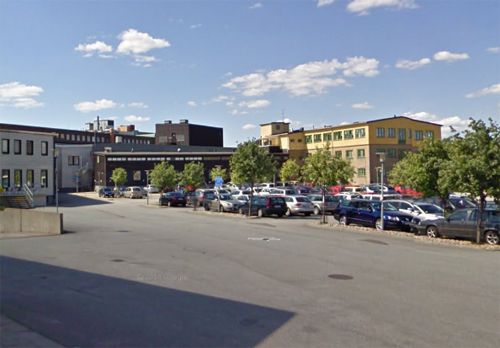
2017 - Nostalgicum museum on Byfogdegatan 3 in Gamlastaden in Göteborg

2017 – Nostalgicum museum on Byfogdegatan 3 in Gamlastaden in Göteborg

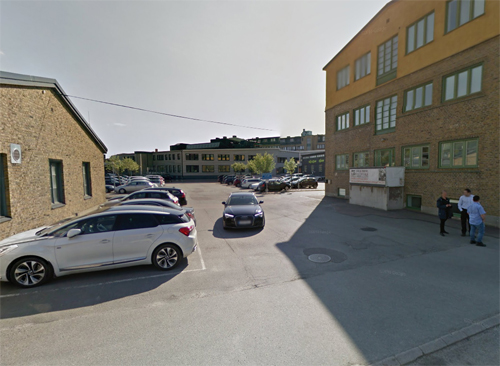
2017 - The black building Byfogdegatan 3 in Gamlastaden in Göteborg (Google Streetview)

2017 – The black building Byfogdegatan 3 in Gamlastaden in Göteborg (Google Streetview)

2017 - The black building Byfogdegatan 3 in Gamlastaden in Göteborg (Google Streetview)

2017 – The black building Byfogdegatan 3 in Gamlastaden in Göteborg (Google Streetview)

Byfogdegatan is a street in Gamlastaden in Göteborg, Sweden.

In 1964, the Swedish phone company Televerket had their warehouse in this building. The persons in the photo were actually working there and were employed by Televerket.

Today, at this place Nostalgicum museum, a vintage museum is located. In this 1950’s and 1960’s museum you can try on retro clothes and enjoy nostalgic tastes and smells. Have a prawn sandwhich in Café Dagny and enjoy the ”golden oldies” from the jukebox.

Gamlestaden is an urban district in Göteborg, Sweden. In and around Gamlestaden there are some industries. Most well-known is SKF.

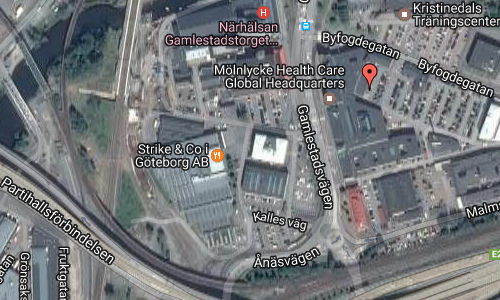
2017-byfogdegatan-in-goteborg-maps02

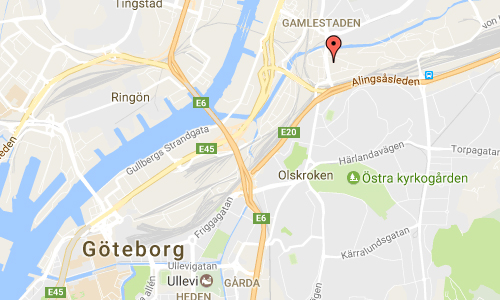
2017-byfogdegatan-in-goteborg-maps01

More information at nostalgicum.wordpress.com, www.retrovagen.se and sv.wikipedia.org.

Thanks to Per Pettersson for finding this Volvo Photo Location!

Volvo Photo Locations

Byrums raukar on Öland 🇸🇪

January 7th, 2017

Volvo Photo Locations Part 256
Historic Volvo Photography Locations Overview

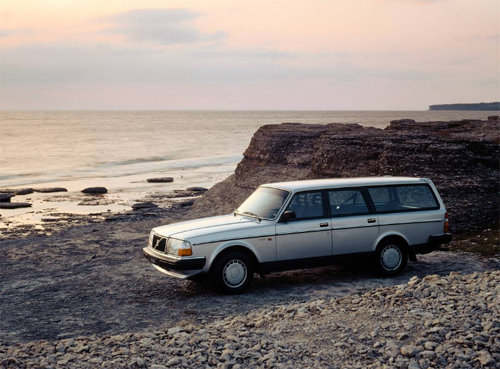
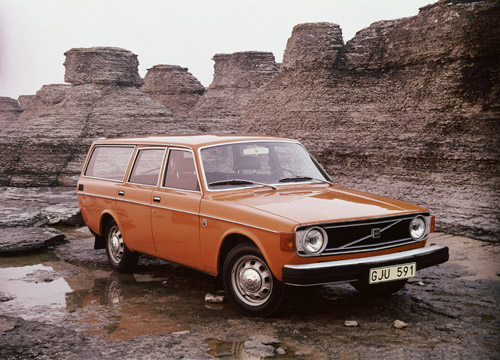
1986 – Volvo 240 GL Estate at Byrums raukar near Horns kustväg in Löttorp on Öland, Sweden

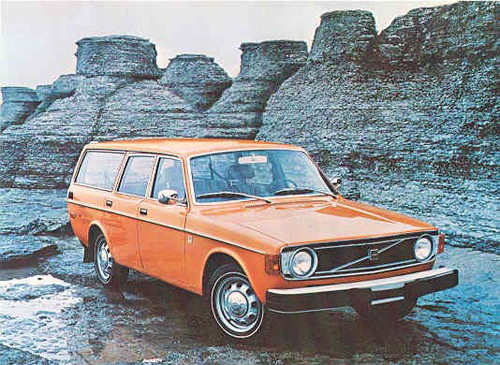
1974 - Volvo 145 DL at Byrums raukar near Horns kustväg in Löttorp on Öland, Sweden

1974 – Volvo 145 DL at Byrums raukar near Horns kustväg in Löttorp on Öland, Sweden

1974 – Volvo 145 DL USA at Byrums raukar near Horns kustväg in Löttorp on Öland

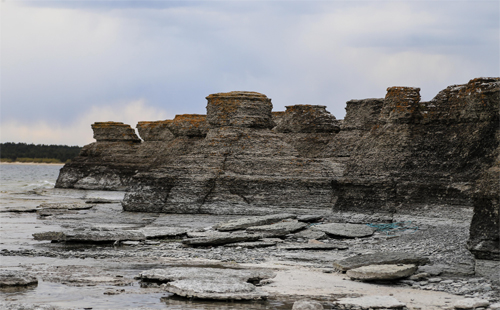
2017 - Byrums raukar near Horns kustväg in Löttorp on Öland, Sweden

2017 – Byrums raukar near Horns kustväg in Löttorp on Öland, Sweden

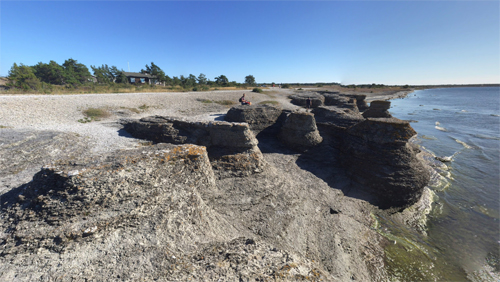
2017 - Byrums raukar on Öland (Google Streetview)

2017 – Byrums raukar on Öland (Google Streetview)

Byrums raukar are located near Horns kustväg in Löttorp on Öland, Sweden.

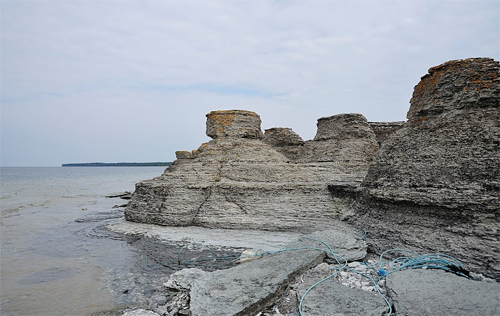
Byrum’s raukar are a geological formation of a group of stacks (Swedish: raukar) on the western shore in the north of Öland, Sweden (the island forming the Kalmar Strait with the Swedish mainland) near the village of Byrum. The group consists of about 120 limestone stacks, rich in fossils, of up to 4 meters high on a 600-meter stretch of beach. The area is about 3 hectares large, is a Natural Monument III and a nature reserve since 1935.

2017 - Byrums raukar near Horns kustväg in Löttorp on Öland, Sweden

2017 – Byrums raukar near Horns kustväg in Löttorp on Öland, Sweden

At Byrum you find Öland’s most famous and best shaped rauk area. The peculiar stone statues have been chiseled out over millions of years by the ocean’s constant movement against the limestone.

For 490 million years ago was the land mass that Öland belongs to at the height of the southern tropic, in a tropical climate. Lime Sludge began deposited in large coral reefs in warm, shallow seas. For a long time the coral reefs was pressed together under high pressure and the limestone of Öland was formed. Researchers believe that it took 1000 years of lime precipitation to form a millimeter of todays limestone. The thickness of the limestone layers on Öland generally amounts to 40 meters, which means that it took 40 million years to form the limestone bedrock on Öland.

Due to the different contents of the clay minerals the hardness of the limestone varies. Rauks at Byrum were formed when softer limestone eroded away by wave impact and left behind stone statues (Rauks) of harder limestone. The area at Byrum is rich in fossils. Fossils are dead prehistoric animals that has sunk to the ocean floors and been embedded in sediment. The sediments have been compressed during a long time into a rock, in which the animal forms is preserved. At Byrum occurs fossils of the Trilobite genus Asaphus occurs so plentiful that it lent its name to one of the layers of the limestone.

Remember, it is forbidden to gather fossils! You may only enjoy them on the location!

2017-byrums-raukar-on-oland-maps02

2017-byrums-raukar-on-oland-maps01

More information at visitoland.com, www.alltpaoland.com and sv.wikipedia.org.

Thanks to Per Pettersson for finding this Volvo Photo Location!

Volvo Photo Locations