home

[ Content | Sidebar ]

Sicilian Avenue in London – UK

March 19th, 2016

International Volvo Photo Locations Part 186
Click for Volvo Photography Locations Overview

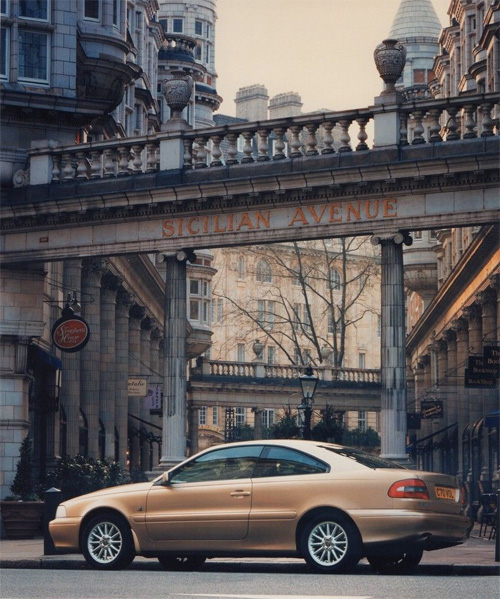
1999 - Volvo C70

1999 – Volvo C70

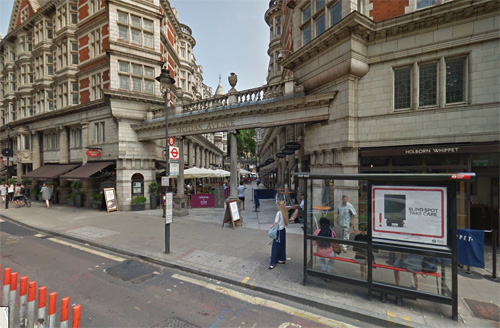
2016 - Sicilian Avenue at Bloomsbury Way in London (Google Streetview)

2016 – Sicilian Avenue at Bloomsbury Way in London (Google Streetview)

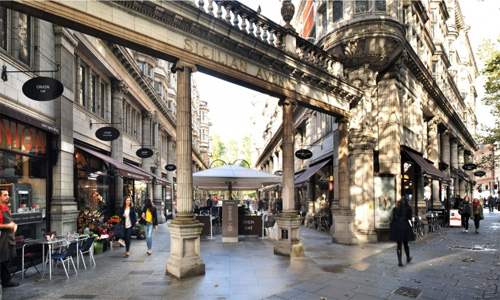
Sicilian Avenue is a beautiful pedestrianised shopping street in the Holborn district of central London. Sicilian Avenue was built in 1910 and so-named due to its authentic old-world southern Italian feel. Sicilian Avenue is most famous for a branch of Spaghetti House – probably the UK’s most famous Italian restaurants. Spaghetti House are a group of authentic Italian restaurants in London with a history dating back to the 1950s. Sitting on one of the al fresco tables on the pedestrian walkway during a balmy summer’s evening enjoying fine Italian cuisine and a glass of Italian red wine is one of London’s most gorgeous experiences.

Sicilian Avenue is awash with interesting stores and restaurants and is an interesting alternative from the hustle and bustle of other central London shopping areas.

2016 - Sicilian Avenue

It’s an odd little street where no cars can go, and all it does it cut off the corner of Southampton Row and Vernon Place near Holborn tube. It doesn’t have a very scintillating history; it was built in 1910 and named because of its colonnaded old-world southern Italian appearance.

Sicilian Avenue houses a branch of the Spaghetti House chain (the one in Knightsbridge was the location of the infamous Spaghetti House Siege), traditional Italian restaurants in London with a history dating back to the 1950s. But it’s now also the home of the Holborn Whippet, a new pub for beer-lovers that has turned the corner into a destination in its own right.

The avenue is one of those places that simply fetches you up short on a sunny day, forgotten, a bit unloved, but still there. Typically, shops never quite know how to capitalise on the charm of their surroundings, but here the centre of the cut-through (it feels a bit grand to call it an avenue) is filled with outdoor seating. There are lots of these odd little streets still around – Cosmo Place springs to mind – and lately several have been returned to the city. I’ll be looking at those shortly

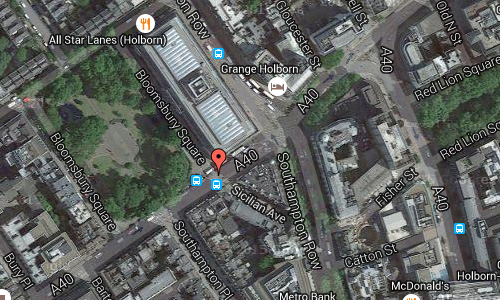
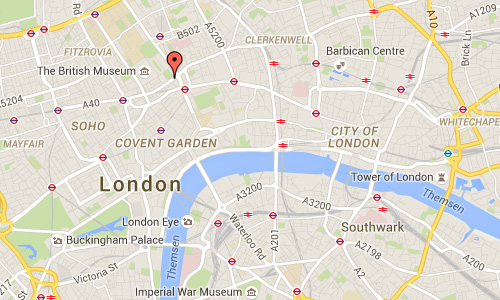
2016 - Sicilian Avenue Maps02

2016 - Sicilian Avenue Maps01

More information on www.london-attractions.info and www.christopherfowler.co.uk.

Volvo Photography Locations

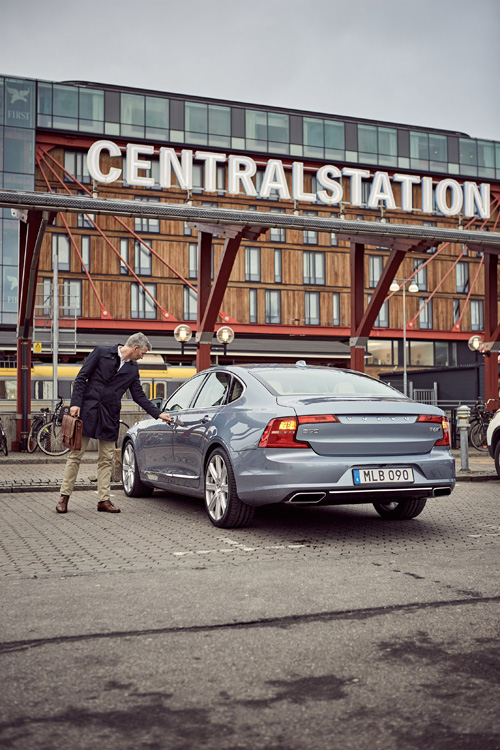
Central Station on Kruthusgatan in Göteborg 🇸🇪

March 19th, 2016

Volvo Photo Locations Part 200
Historic Volvo Photography Locations Overview

2016 - Volvo S90

2016 – Volvo S90 Inscription at Central Station on Kruthusgatan in Göteborg, Sweden 🇸🇪.

2016 – Volvo S90 Inscription at Central Station on Kruthusgatan in Göteborg, Sweden 🇸🇪.

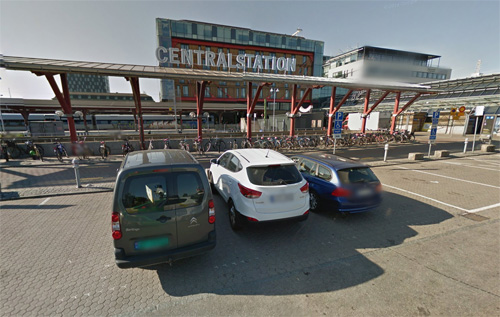
2016 - Central Station parking at Kruthusgatan in Göteborg (Google Streetview)

2016 – Centralstation parking at Kruthusgatan in Göteborg (Google Streetview)

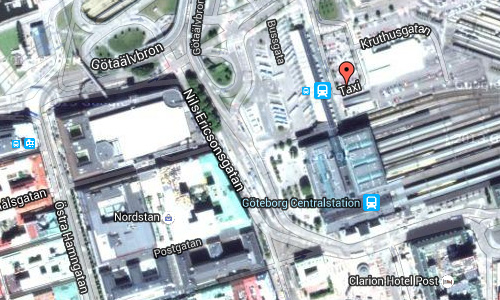
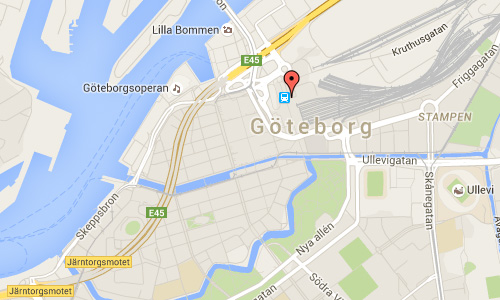
Centralstation parking at Kruthusgatan is located in the center of Göteborg, near the train station of Göteborg.

Göteborg Central Station (or in Swedish: Göteborgs centralstation, Göteborg C) is the main railway station of Göteborg, Sweden. The station serves 27 million passengers per year, making it the second largest railway station in Sweden after Stockholm Central Station. The station opened on October 4, 1858. The station is situated in the city close to by Drottningtorget. The Göteborg Central Station, Centralhuset and Nils Ericson Terminalen are a part of Resecentrum, Göteborg. Göteborg Central Station is owned and administered by Jernhusen.

2016 - Central station at Kruthusgatan in Göteborg maps02

2016 - Central station at Kruthusgatan in Göteborg maps01

More information at sv.wikipedia.org, tåg.info and www.ilovegoteborg.se.

Historic Volvo Photography Locations Overview

Granola Restaurant on Værnedamsvej in Copenhagen – DK 🇩🇰

March 15th, 2016

International Volvo Photo Locations Part 185
Click for Volvo Photography Locations Overview

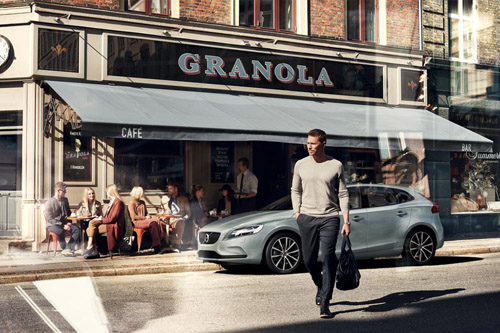
2016 - Volvo V40 Momentum

2016 – Volvo V40 Momentum at Granola Restaurant on Værnedamsvej in Copenhagen – DK 🇩🇰

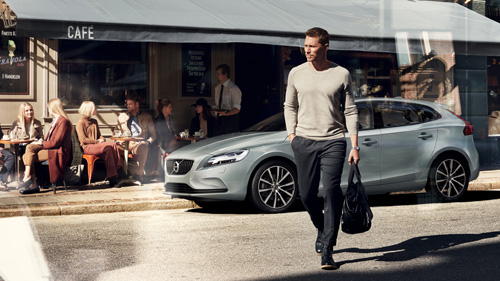
2016 - Volvo V40

2016 – Volvo V40 at Granola Restaurant on Værnedamsvej in Copenhagen – DK 🇩🇰

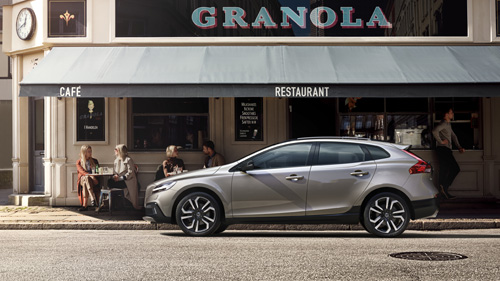
2016 - Volvo V40 Cross Country

2016 – Volvo V40 Cross Country at Granola Restaurant on Værnedamsvej in Copenhagen – DK 🇩🇰

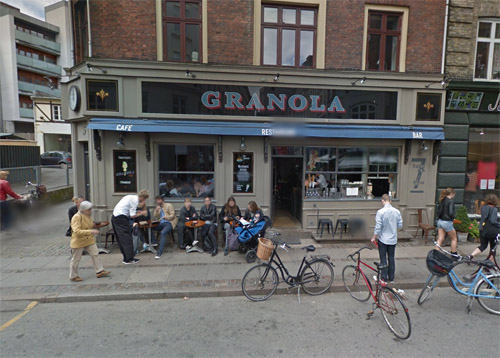
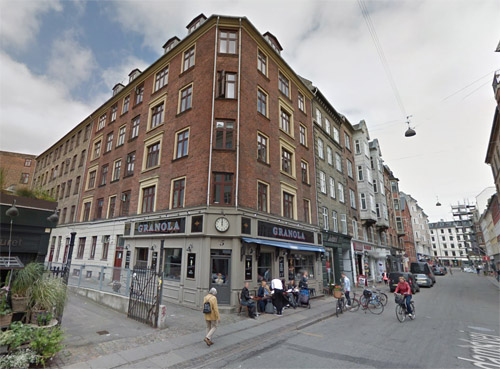
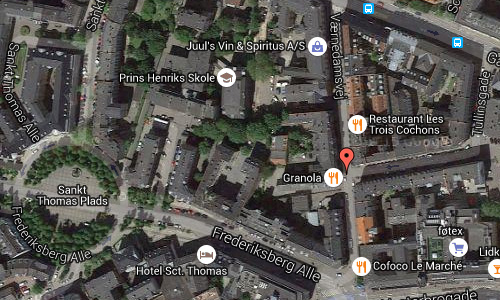
2016 - Værnedamsvej 5 in Frederiksberg, Copenhagen (Google Streetview)

2016 – Granola Cafe Restaurant on Værnedamsvej 5 in Frederiksberg, Copenhagen (Google Streetview)

2016 - Værnedamsvej 5 in Frederiksberg, Copenhagen (Google Streetview)

2016 – Værnedamsvej 5 in Frederiksberg, Copenhagen (Google Streetview)

Værnedamsvej 5 in a street in Frederiksberg Copenhagen in Denmark.

Kid-friendly, cozy, relaxed and Frenchy. Værnedamsvej is a small, busy shopping street situated between Vesterbro and Frederiksberg. The street is known for its French atmosphere and to many Copenhageners it is viewed as Copenhagen’s Paris. Here, you will find cafés, restaurants, specialty shops, deli’s and the wine bar Falernum. The street is oozing charm and a relaxed atmosphere, where several families with children and locals meet and hang out in the weekends enjoying the Frenchy charm – often at the great coffee shop Granola. Do not miss Værnedamsvej’s charm and local life, when you are visiting Copenhagen.

A decorative sign posted on Værnedamsvej leads the way to a lovely backyard, housing the Granola coffee lounge.
Granola offers freshly-brewed coffee, great creamy ice-cream, Summerbird chocolates and fruity milk-shakes from the good old days. Granola is also serving breakfast, brunch and dinner.
The place reeks with nostalgia. There is a priceless old coffee mill in the middle of the room, colourful enamel signs, music from the 50s and 60s, and an old counter from the long gone days of colonial trade.
There are often lots of people hanging out at Granola but that is just some of the charm being at Værnedamsvej.

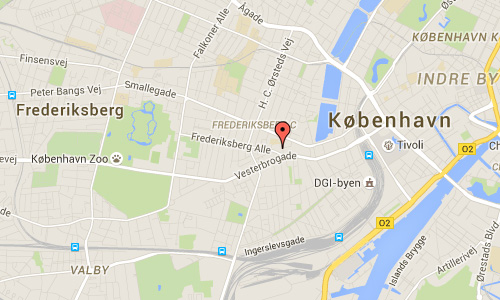
2016 - Værnedamsvej Maps02

2016 - Værnedamsvej Maps01

More information on www.granola.dk, www.visitcopenhagen.com and dejligedays.com.

Volvo Photography Locations

Graslei in Gent – B 🇧🇪

March 8th, 2016

International Volvo Photo Locations Part 184
Click for Volvo Photography Locations Overview

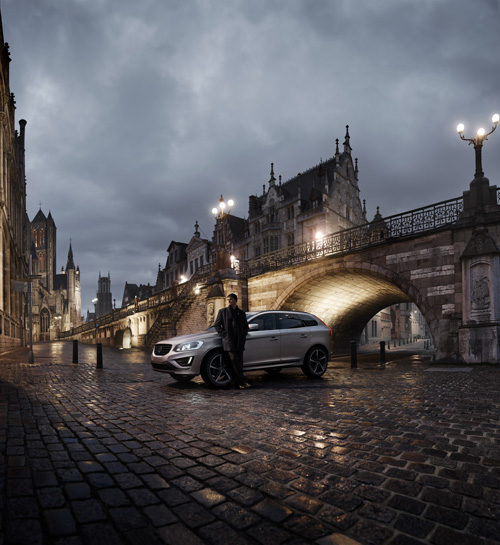
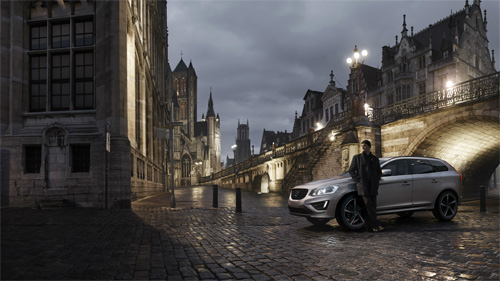
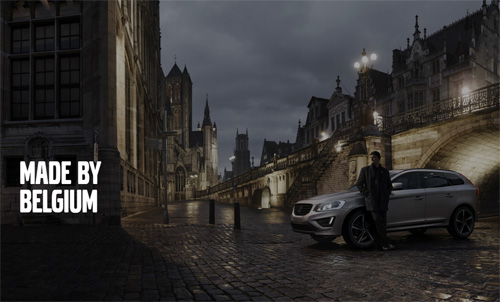
2016 - Volvo XC60

2016 – Volvo XC60 at Graslei and Pakhuisstraat in Gent, Belgium 🇧🇪

2016 - Volvo XC60

2016 – Volvo XC60 at Graslei and Pakhuisstraat in Gent, Belgium 🇧🇪

2016 - Volvo XC60

2016 – Volvo XC60 at Graslei and Pakhuisstraat in Gent, Belgium 🇧🇪

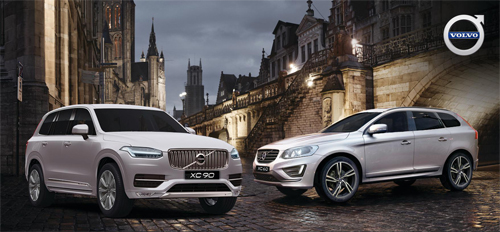
2016 – Volvo XC90 & XC60 in Ghent (source: obukhov)

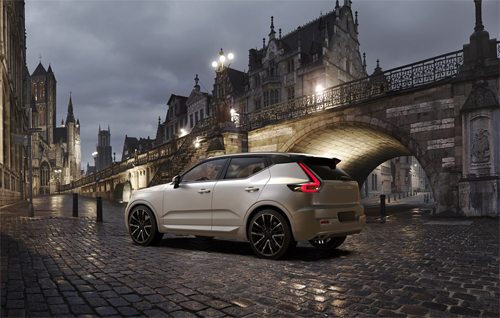
2017 – Volvo XC40 in Ghent (source: obukhov)

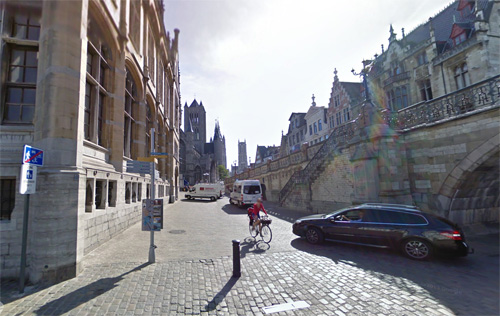
2016 - Graslei and Pakhuisstraat in Gent , Belgium (Google Streetview)

2016 – Graslei and Pakhuisstraat in Gent, Belgium (Google Streetview)

2016 - Graslei and Pakhuisstraat in Gent , Belgium (Google Streetview)

2016 – Graslei and Pakhuisstraat in Gent, Belgium (Google Streetview)

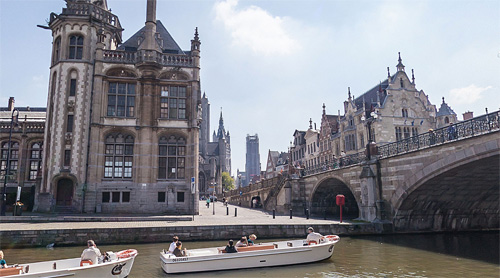
The corner of Graslei and Pakhuisstraat in the old center of Gent in Belgium.

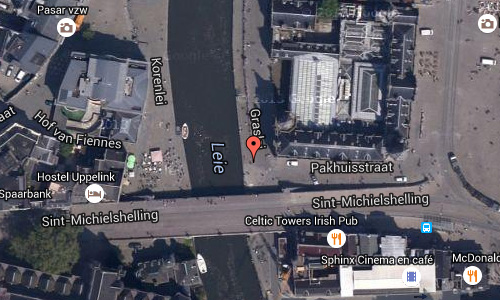
The Graslei is a street in the historical center of the Belgian city of Ghent. The Graslei is the quay on the right bank of the Leie. The quay and street on the left is the Korenlei. It lies between the Grasbrug and Sint-Michielsbrug.

From the 11th century the growing trade along the quays and this became the city’s harbor. St Michael’s Church and St. Nicholas Church came from both sides of the Leie near the port created. Because of the grain pile right of the city, it happened all imports of grain in the County of Flanders and Ghent via the Grass and Korenlei were combined with the Korenmarkt the center of the grain trade in Flanders.

The current building is still a remnant of the time, already been adapted several buildings in the 18th and 19th centuries. For the World Exhibition of 1913 in Ghent facades were thoroughly restored. The cityscape of the Graslei and Korenlei was protected in 1952 as a landscape and in 1994 the two quays, their environment and the adjacent buildings were also protected as a town

Ask ten inhabitants of Ghent what the most beautiful place in their city is and nine will answer the Graslei. Today this medieval port with its unique row of historical buildings, which are reflected in the long river, is the meeting place par excellence. Young and old, inhabitant and visitor, everyone meets on one of the many café patios or simply by the water. This is the thriving heart of the inner city. The house of the Grain Weighers, the Guildhall of the Free Boatmen, the Spijker every house on the Graslei has its own history. Together they form the story of the incredible blossoming of Ghent’s economy during the Middle Ages. On the other side of the water is the Korenlei. All that remains of some of the original buildings is the outer walls! Behind them is a brand new hotel.

Ghent is a city and a municipality located in the Flemish Region of Belgium. It is the capital and largest city of the East Flanders province. The city started as a settlement at the confluence of the Rivers Scheldt and Leie and in the Late Middle Ages became one of the largest and richest cities of northern Europe with some 50,000 people in 1300. Today it is a busy city with a port and a university.

Much of the city’s medieval architecture remains intact and is remarkably well preserved and restored. Its centre is the largest carfree area in Belgium. Interesting highlights are the Saint Bavo Cathedral with the Ghent Altarpiece, the belfry, the Gravensteen castle, and the splendid architecture along the old Graslei harbour. Ghent established a nice blend between comfort of living and history – it is not a city-museum. The city of Ghent also houses three béguinages and numerous churches including the Saint-Jacob’s church, the Saint-Nicolas’ church and the Saint Michael’s church.

The port of Ghent, in the north of the city, is the third largest port of Belgium. It is accessed by the Ghent-Terneuzen Canal, which ends near the Dutch port of Terneuzen on the Western Scheldt. The port houses, among others, big companies like ArcelorMittal, Volvo Cars, Volvo Trucks, Volvo Parts, Honda, and Stora Enso.

2016 - Graslei and Pakhuisstraat in Gent Maps02

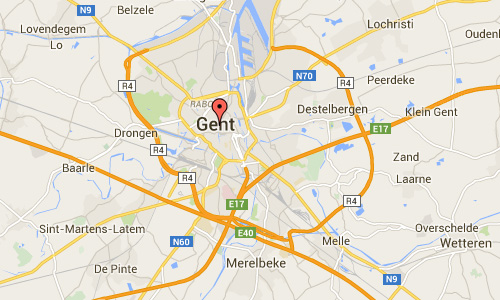
2016 - Graslei and Pakhuisstraat in Gent Maps01

More information on visit.gent.be, www.volvocargent.be and en.wikipedia.org.

Volvo Photography Locations

Flatruetvägen in Härjedalen 🇸🇪

March 7th, 2016

Volvo Photo Locations Part 199

Historic Volvo Photography Locations Overview

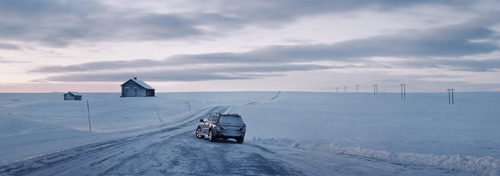
2014 – Volvo XC70 at at Flatruet on Flatruetvägen in Funäsdalen, Härjedalen, Sweden 🇸🇪.
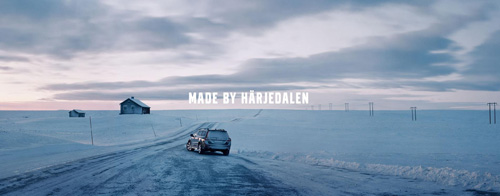
2014 – Volvo XC70 at at Flatruet on Flatruetvägen in Funäsdalen, Härjedalen, Sweden 🇸🇪.
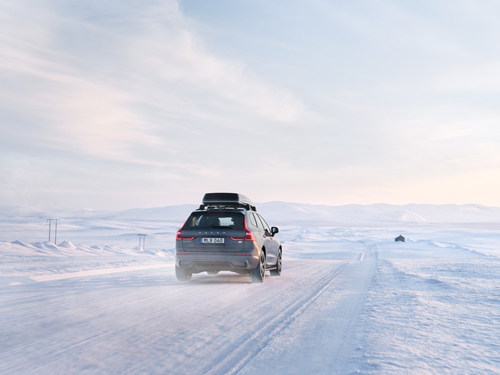
2021 – Volvo XC60 Recharge at Flatruet on Flatruetvägen in Härjedalen, Sweden 🇸🇪.
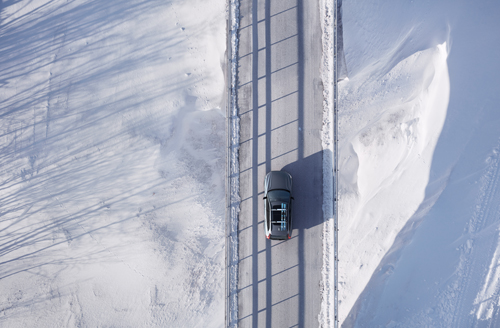
2021 – Volvo XC60 Recharge at Flatruet on Flatruetvägen in Härjedalen, Sweden 🇸🇪.
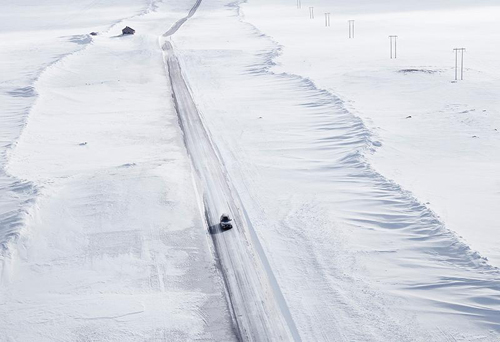
2021 – Volvo XC60 Recharge at Flatruet on Flatruetvägen in Härjedalen, Sweden 🇸🇪.
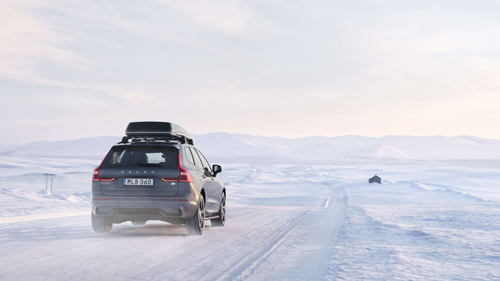
2021 – Volvo XC60 Recharge at Flatruet on Flatruetvägen in Härjedalen, Sweden 🇸🇪.
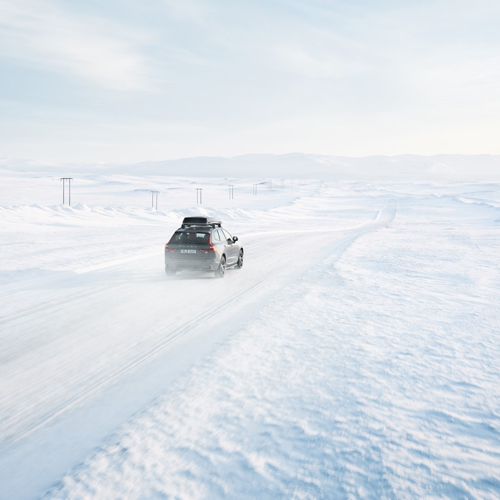
2021 – Volvo XC60 Recharge at Flatruet on Flatruetvägen in Härjedalen, Sweden 🇸🇪.
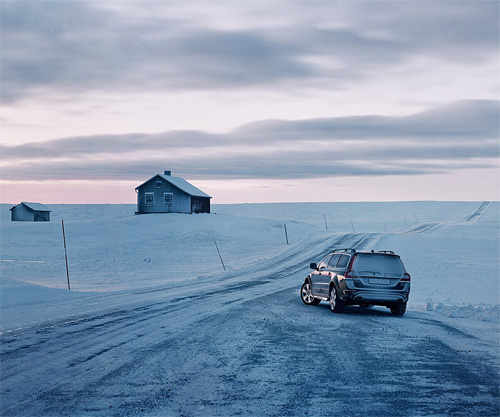
2015 - Volvo XC70

2015 – Volvo XC70 at Flatruetvägen in Härjedalen, Sweden 🇸🇪.

2015 – Volvo XC70 at Flatruetvägen in Härjedalen, Sweden 🇸🇪.
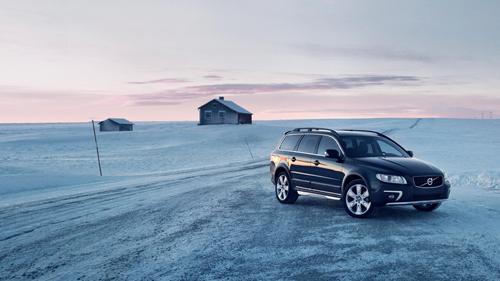
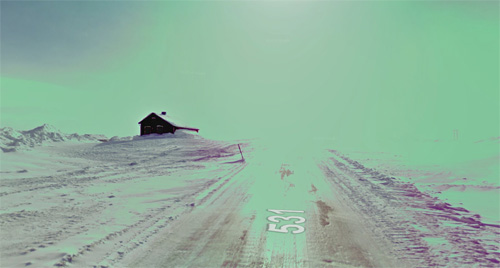
2016 - Flatruetvägen in Härjedalen (Google Streetview)

2016 – Flatruetvägen in Härjedalen (Google Streetview)

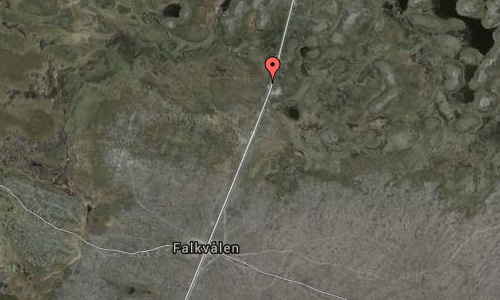
Flatruetvägen is a road across the mountain Flatruet in Härjedalen, reaching a high of 975 meters above sea level and is thus Sweden’s highest public road. Flatruet road is a dusty gravel road.
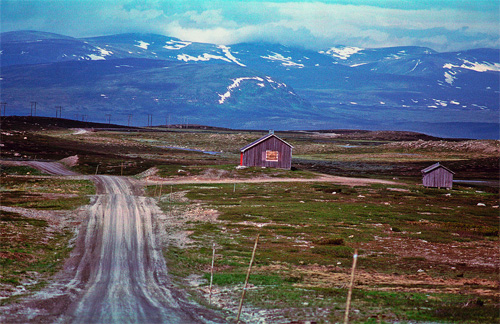
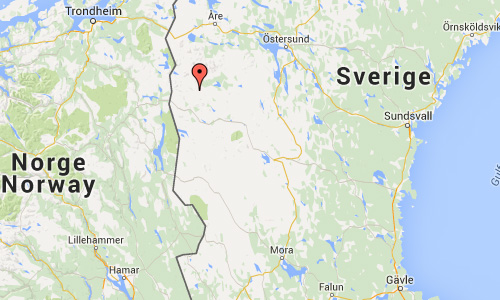
2016 - Flatruetvägen in Härjedalen02

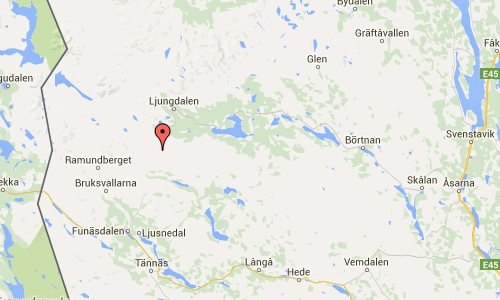
Flatruetvägen, connecting Funäsdalen in the south with Ljungdalen in the north, was inaugurated July 31, 1938. The road is signposted with the number 531. The road is often closed at night or in bad weather, and the road is given unobstructed views of the mountains, especially north towards Helagsfjällen.

Flatruet is a fell in north western Härjedalen, Sweden, between Mittådalen in Härjedalens kommun and Ljungdalen. Flatruet comprises many ravines dating back to the end of the ice age. The ravines were formed when the ice lake in the Messlingen valley area burst and rushed down into the valley below. The majority of the ravines reside on the south side of Flatruet.

Evagraven is probably the most famous ravine of Flatruet and is located 2 kilometers west of Ruänden’s rock art. An old swedish legend says that a lady named Eva died in the ravine during a snowstorm, which is how the ravine got its name. Evagraven is so deep that the snow on the ravine’s floor doesnt melt, even in the summer.

Fiskhålsgraven is located 2 kilometers west of Evagraven. Fiskhålsgraven translates to “fish hole ravine” because at the small tarn at the end of the ravine, rare and protected dwarf char reside. The only other place in the world where the dwarf char can be found is in a small tarn in a ravine on the Blåstöten mountain.

Ruänden which is a part of Flatruet is one of Swedens largest areas with rock art. The rock art at Ruänden consists of about twenty figures looking like humans, bears, moose and a reindeer. The rock art was first reported n 1896 and have been dated to 4000 years ago.

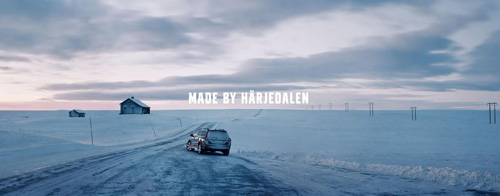
Made by Härjedalen  (Photography by Felix Odell )

Made by Härjedalen (Photography by Felix Odell )

Härjedalen is a historical province or landskap in the centre of Sweden. It borders the country of Norway as well as the provinces of Dalarna, Hälsingland, Medelpad, and Jämtland. The province originally belonged to Norway, but was ceded to Sweden in the Treaty of Brömsebro, 1645.

Jämtland and Härjedalen were originally provinces of Norway. Härjedalen came under the Norwegian king ca. 1100. After the Treaty of Brömsebro in 1645, Härjedalen, along with Jämtland, were ceded to Sweden. They were commonly spelled Herjedalen and Jemtland until 1660.

The first population of Härjedalen is estimated to have migrated here some 9,000 years ago. The population lived from hunting and fishing, close to the inland ice which by then had started to melt. Ruändan, in the Flatruet mountains in northwestern Härjedalen, is the location of a large site of rock paintings. The rock paintings at Ruändan consists of some twenty figures depicting people, bear, moose and reindeer. The rock paintings was first reported in 1896 and are estimated to be over 4000 years old.
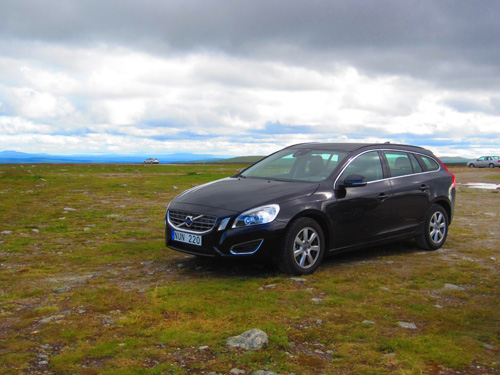
2012 - Volvo V60 (own photo during summer vacation at Flatruet)

2012 – Volvo V60 (own photo during summer vacation at Flatruet)

According to one legend, Härjedalen is named after a powerful Norseman who had to flee east from the Norwegian court of king Halfdan Svarte after killing one of the king’s men with a horn. Thereafter he was known as Härjulf Hornbrytare (lit. “Härjulf the Hornbreaker”). For a time he entered the service of the Svea King Anund, until he eloped with that king’s sister, Helga, and together they disappeared into the remote location in the region eventually named after him. Today a statue stands dedicated to them in the village of Lillhärdal. Härjulf and Helga were the foreparents to the Icelander, Bjarni Herjólfsson, who was the first Norseman to see the “new world” when he was blown off-course whilst on a voyage to Greenland. His boat is the one Leif Eriksson acquired about 15 years later for Leif’s famed landing on Vineland.

A large portion of Härjedalen residents emigrated to America, principally to Northwestern Minnesota during the late 1800s.

The name Härjedalen, from Old West Norse Herjárdalr, literally means the “Valley of the Härje river”. A Latinized transliteration is Herdalia, although that name is hardly encountered in the English language today. More prominent are derivations such as Herjedalen or Haerjedalen. The more prosaic explanation of the name says that the word her or har just means “mound of stones” and refers to stones in the river Härjån.
2016 - Flatruetvägen in Härjedalen Maps03

2016 - Flatruetvägen in Härjedalen Maps02

2016 - Flatruetvägen in Härjedalen Maps01

More information at sv.wikipedia.org, Felix Odell, www.funasfjallen.se and www.funasfjallen.se.

Historic Volvo Photography Locations Overview

Skurverket in Jordhamn on Öland 🇸🇪

March 6th, 2016

Volvo Photo Locations Part 198
Historic Volvo Photography Locations Overview

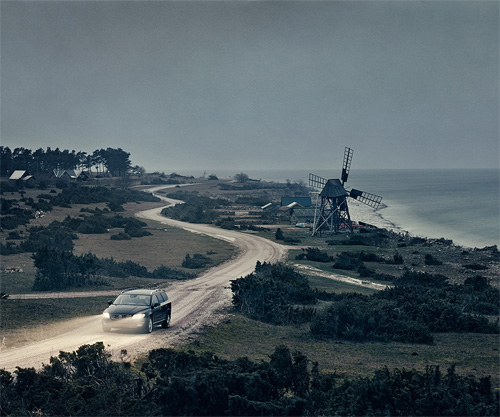
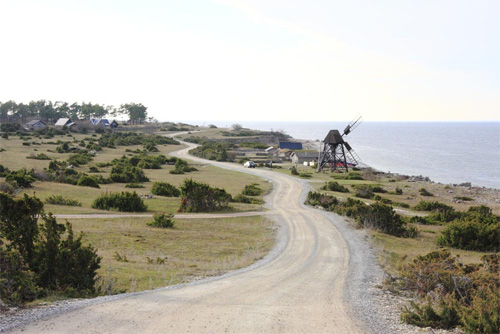
2014 – Volvo V70 at Skurverket in Jordhamn near Löttorp on Öland, Sweden 🇸🇪.

2014 – Volvo V70 at Skurverket in Jordhamn near Löttorp on Öland, Sweden 🇸🇪.

2015 - Volvo V70

2015 – Volvo V70

2016 - Jordhamnsvägen at Jordhamn on Öland

2016 – Jordhamnsvägen at Jordhamn on Öland

Jordhamnsvägen at Jordhamn is located on the northern part of the island Öland, in the Baltic Sea.

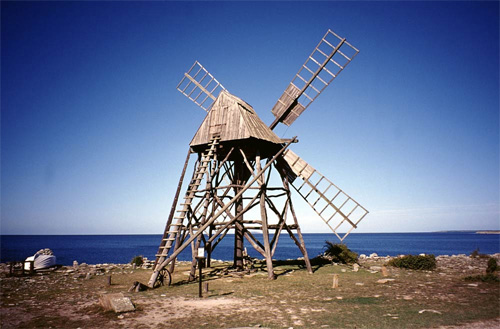
The mill shown in the photo is a so-called ‘skurkvarn’ or ‘limestone grinder’ and this is the only remaining known in Sweden and is considered to be historically very strange.

The skurkvarn (stone grinder) was originally built in 1905. Gustav Johansson Österskogen, Persnäs, was the last to operate here and did that until 1930. At this time took the other machines of the grinding of stone.

To process to sell the stone was a source of income for the farmer besides agriculture. Stones have been scrubbed (polished) since the Middle Ages. The primary use of the scrubbed stone was as flooring in churches and homes. The wind-driven polishing plant is a further development of a polishing walking, driven by oxen or horses.

Jordhamns skurkvarn - Allt på Öland

The wind-driven scrubbing plant consists of a high position of spruce and pine (during renovation in 1963 partially replaced the oak wood) with a swivel cap with brädtak. The gear is made of rowan and operates a horizontal axis of oak with four bars. On the booms sit stones fastened in an ingenious design. The stone which would be ground was laid in a circle and between a rock (löparsten), and the stone that would “scrub” was applied to sand and water as an abrasive in the same manner as in the previous hike.

Scouring Administration tells of a type of construction that was common on Öland during the late 1800s and early 1900s. Over the years, several major renovations done but the original design and choice of materials has largely been maintained. Scouring Agency has because of its exposed location blown over and repaired on several occasions. In the early 1900s there were some 30 wind sea scouring works on Öland, most of the northern part of the island.

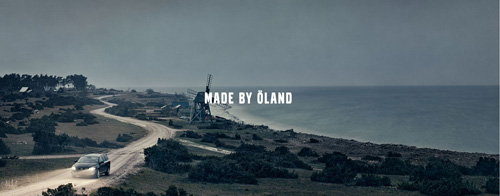
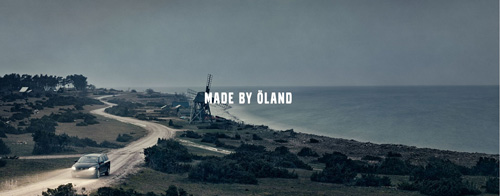
Made by Öland

Made by Öland

Öland is the second largest Swedish island and the smallest of the traditional provinces of Sweden. Öland has an area of 1,342 km² and is located in the Baltic Sea just off the coast of Småland. The island has 25,000 inhabitants. It is separated from the mainland by the Kalmar Strait and connected to it by the 6-km Öland Bridge, which opened on 30 September in 1972.

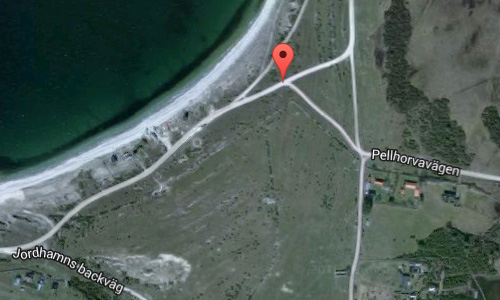
2016 - Jordhamn on Öland Maps02

2016 - Jordhamn on Öland Maps01

More information at www.lansstyrelsen.se and alltpaoland.com.

Historic Volvo Photography Locations Overview

The Chicago Theatre on North State Street in Chicago – USA 🇺🇸

March 5th, 2016

International Volvo Photo Locations Part 183
Click for Volvo Photography Locations Overview

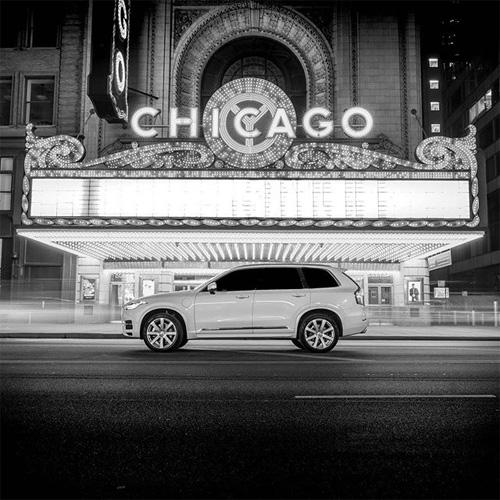
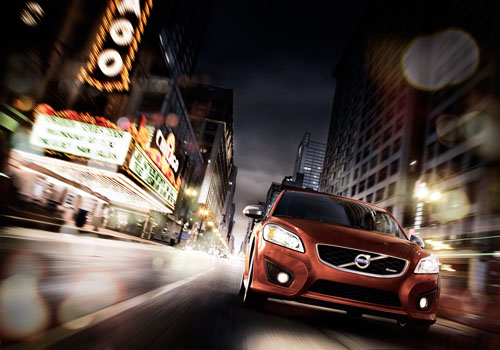
2010 - Volvo C30 (Photo by Nigel Harniman)

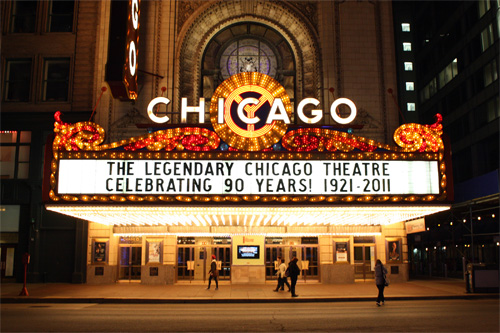
2010 – Volvo C30 T5 R-Design at The Chicago Theatre on North State Street in Chicago, USA 🇺🇸(Photo by Nigel Harniman)

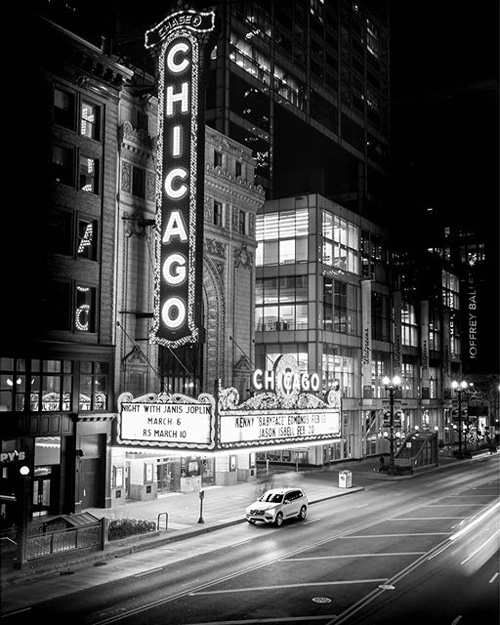
2016 - Volvo XC90

2016 – Volvo XC90 at The Chicago Theatre on North State Street in Chicago, USA 🇺🇸

2016 - Volvo XC90

2016 – Volvo XC90 at The Chicago Theatre on North State Street in Chicago, USA 🇺🇸

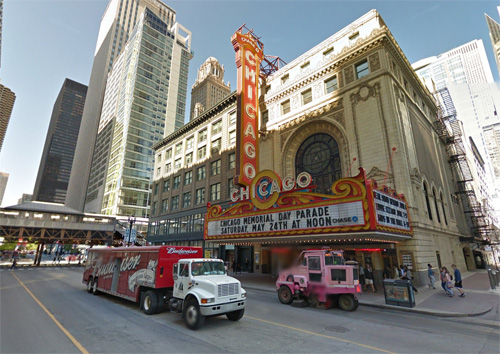
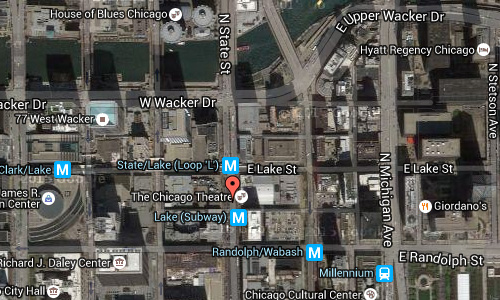
2016 - The Chicago Theatre at 175 N State St in Chicago, USA (Google Streetview)

2016 – The Chicago Theatre at 175 N State St in Chicago, USA (Google Streetview)

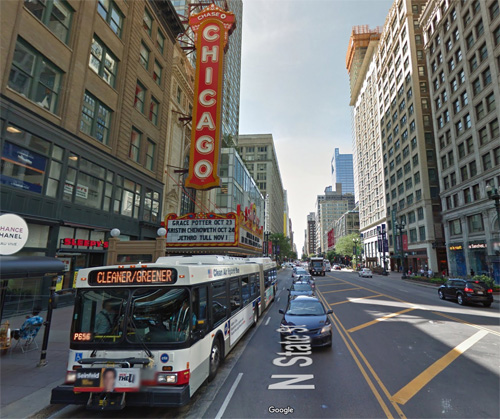
2016 - The Chicago Theatre at 175 N State St in Chicago, USA (Google Streetview)

2016 – The Chicago Theatre at 175 N State St in Chicago, USA (Google Streetview)

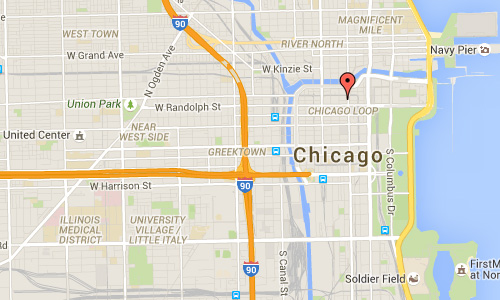
The Chicago Theatre, originally known as the Balaban and Katz Chicago Theatre, is a landmark theater located on North State Street in the Loop area of Chicago, Illinois, in the United States. Built in 1921, the Chicago Theatre was the flagship for the Balaban and Katz (B&K) group of theaters run by A. J. Balaban, his brother Barney Balaban and partner Sam Katz. Along with the other B&K theaters, from 1925 to 1945 the Chicago Theatre was a dominant movie theater enterprise. Currently, Madison Square Garden, Inc. owns and operates the Chicago Theatre as a performing arts venue for stage plays, magic shows, comedy, speeches, and popular music concerts.

2016 - Chicago Theatre

The building was added to the National Register of Historic Places June 6, 1979, and was listed as a Chicago Landmark January 28, 1983. The distinctive Chicago Theatre marquee, “an unofficial emblem of the city”, appears frequently in film, television, artwork, and photography.

The building is seven stories tall and fills nearly one half of a city block. The 60-foot (18 m) wide by six-story tall triumphal arch motif of the State Street façade has been journalistically compared to the l’Arc de Triomphe in Paris. The central arch-headed window adapts the familiar motif of Borromini’s false-perspective window reveals of the top floor of Palazzo Barberini, Rome. The coat of arms of the Balaban and Katz chain—two horses holding ribbons of 35 mm film in their mouths outlined by a border of film reels—is set inside a circular Tiffany stained glass window inside the arch. The exterior of the building is covered in off-white architectural terracotta supplied by the Northwestern Terra Cotta Company with Neo-Baroque stucco designs by the McNulty Brothers.

2016 - Chicago Theatre Maps02

2016 - Chicago Theatre Maps01

More information on www.thechicagotheatre.com and en.wikipedia.org.

Volvo Photography Locations

Villa U on Nordre Strandvej in Ålsgårde – DK 🇩🇰

March 4th, 2016

International Volvo Photo Locations Part 182
Click for Volvo Photography Locations Overview

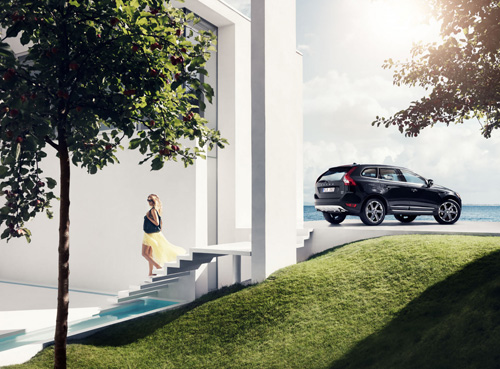
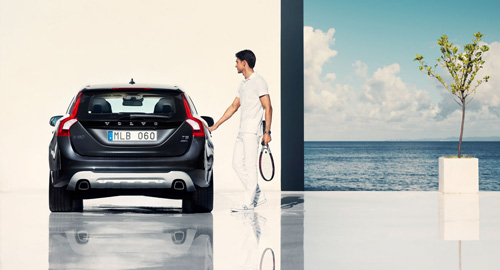
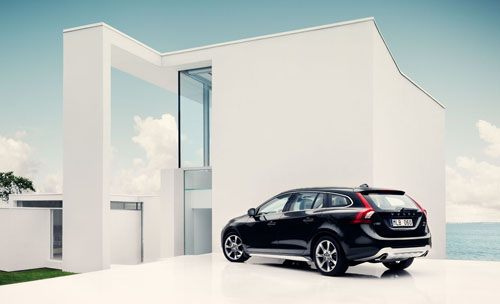
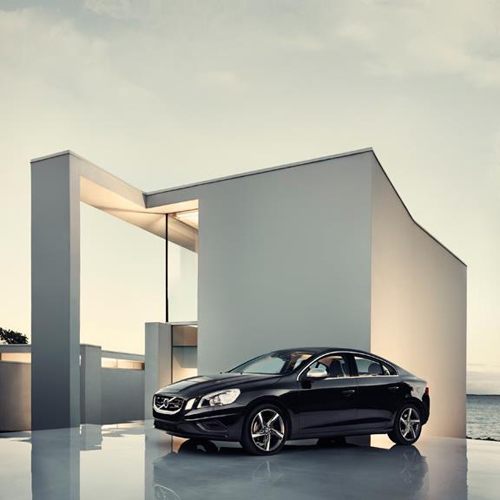
2015 – Volvo V60, S60 and S80 at Villa U on Nordre Strandvej in Ålsgårde, Danmark 🇩🇰.

2014 - Volvo XC60

2014 – Volvo XC60 at Villa U on Nordre Strandvej in Ålsgårde, Danmark 🇩🇰.(Photo by Marcel Pabst)

2014 - Volvo V60

2014 – Volvo V60 at Villa U on Nordre Strandvej in Ålsgårde, Danmark 🇩🇰.(Photo by Marcel Pabst)

2014 - Volvo V60 (Photo by Marcel Pabst)

2014 – Volvo V60 at Villa U on Nordre Strandvej in Ålsgårde, Danmark 🇩🇰.(Photo by Marcel Pabst)

2014 – Volvo S60 R-Design at Villa U on Nordre Strandvej in Ålsgårde, Danmark 🇩🇰.

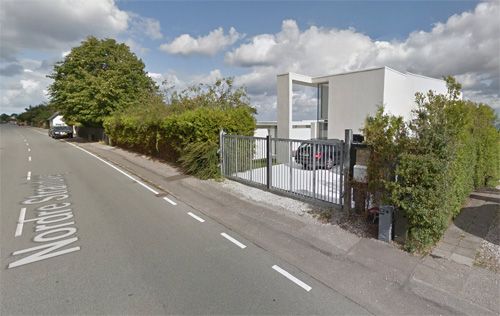
2016 - Nordre Strandvej in Ålsgårde, Danmark (Google Streetview)

2016 – Nordre Strandvej in Ålsgårde, Danmark (Google Streetview)

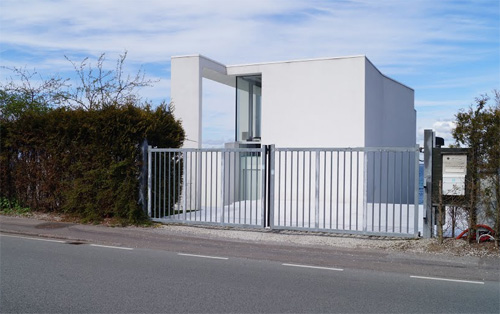
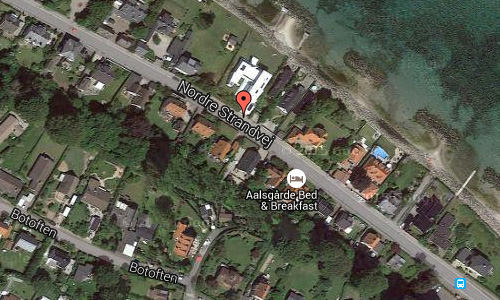
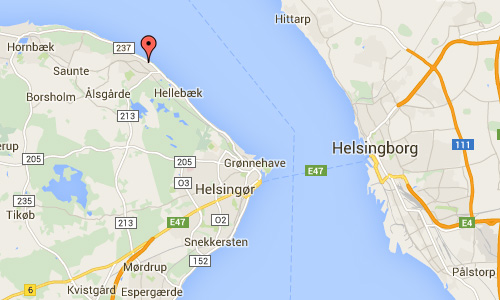
This wonderfull villa with the name Villa U or Villa Form can be found at Nordre Strandvej 180A in Ålsgårde, just north of Helsingør, Danmark. This house was built in 2010. This is just the entrance to the 384-square-meter villa.

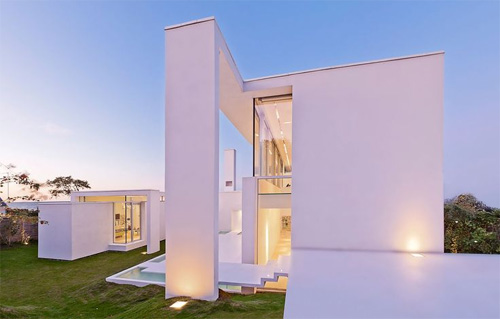
Lars Gitz Architects, a Scandinavian global architecture firm designed and built this ultra modern home in Ålsgårde, Denmark. The villa stands on a lush green landscape and looks out at the extensive sea.

2016 - Nordre Strandvej in Ålsgårde Danmark Parking

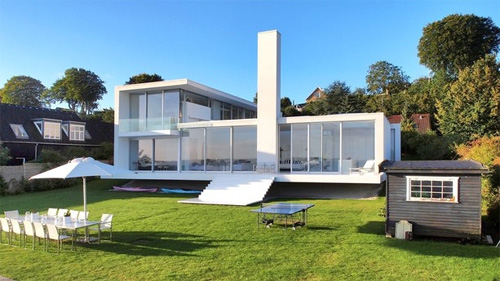
Villa From spreads over an area of 390 square meters, and captures beautiful panoramas from the huge glass rear facade walls. Peace and comfort define this dwelling. It houses two floors, which are seamless to the panoramic views as the spaces are open and have a spatial conversation with the inside and the outside. The various wings inside the residence have a harmonious communication between themselves.

2016 - Nordre Strandvej in Ålsgårde Danmark Street

This magnificent villa by the sea is not only a comfortable residence but also a great piece of architecture. The cantilever on the first floor can be reached through an elegant flight of stairs. Bold design lines, effective use of volume and voids along with the extensive use of glass gave an opportunity to the architects to add certain features like the water element outdoors and glass stairs inside. The bathroom is highly intimate as well as opens up to the staggering views of the sky above.

2016 - Nordre Strandvej in Ålsgårde Danmark Garden

This all-white exceptional piece of architecture looks stunning as it contrasts with the surroundings during the day and becomes an illuminated piece of structure at night time.

Exuding a sense of serenity, this uniquely designed seaside villa by the Scandinavian international architecture studio Lars Gitz Architects is breathtaking.

2016 - Volvo V60 at Nordre Strandvej in Ålsgårde Danmark 01

This architectural feat was designed in a way to give the house a contemporary look but to make sure to keep the residence comfortable at the same time. Located in Aalsgaarde, Denmark, this seaside villa offers amazing panoramic views of the water and is built in the middle of a lush green lawn.

Made mostly of glass walls, the residence spreads over 390 square meters and is designed in a way for the modernly furnished space to be in constant contact with the outside. Using clean design lines and extensive amounts of glass, the all-white house is stunning.

The Danish singer Medina has recorded her latest video “Boring” in Villa From. Medina wanted to record her English video in a villa with an internationeal design with references to Scandinavia.

2016 - Nordre Strandvej in Ålsgårde Danmark Maps02

2016 - Nordre Strandvej in Ålsgårde Danmark Maps01

More information on www.lilienhoff.dk, waveavenue.com and pleasure.borsen.dk.

Volvo Photography Locations

Kråkenes Lighthouse in Vågsøy – N 🇳🇴

March 4th, 2016

International Volvo Photo Locations Part 181
Click for Volvo Photography Locations Overview

2006 - Volvo XC90 (Photo by Marcel Pabst)

2006 – Volvo XC90 (Photo by Marcel Pabst)

2006 - Volvo XC90 (Photo by Marcel Pabst)

2006 – Volvo XC90 (Photo by Marcel Pabst)

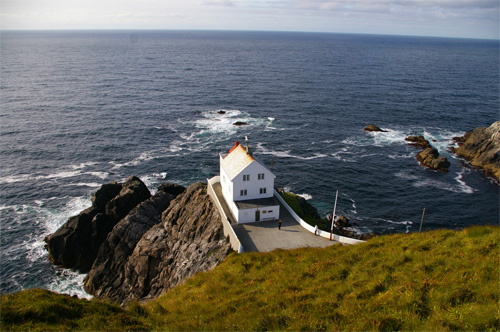
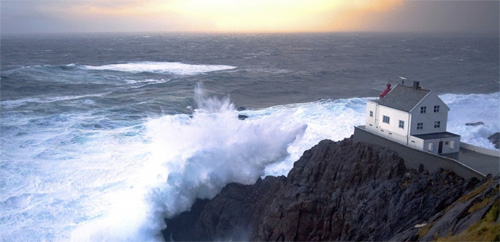
2016 - Kråkenes Lighthouse (Photo by Frokor)

2016 – Kråkenes Lighthouse (Photo by Frokor)

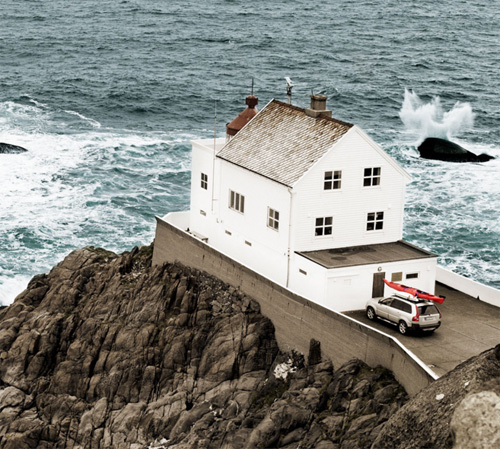
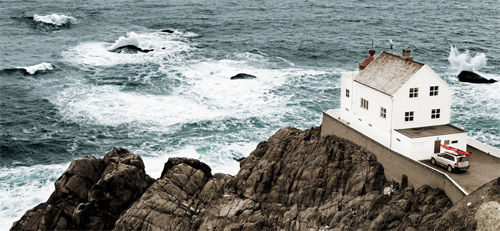
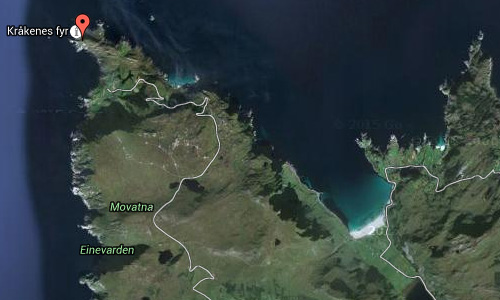
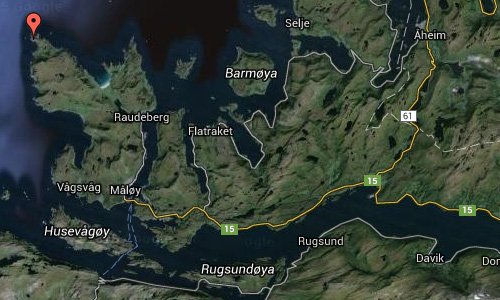
Kråkenes Lighthouse (Norwegian: Kråkenes fyr) is a coastal lighthouse in Vågsøy Municipality in Sogn og Fjordane, Norway. It is located on a rocky, knife-like promontory jutting out of the northwestern tip of the island of Vågsøy. It was first lit in 1906 and automated in 1986. The original lighthouse was destroyed by fire following an Allied air raid in 1945. The current lighthouse now houses a restaurant and has rooms available for overnight accommodations.

2016 - Kråkenes Lighthouse

The 10-metre tall lighthouse is attached to the seaward side of a 2-1/2 story wood keeper’s house built into the rocky shoreline. The building is white and the lighthouse portion has a red roof. The light sits at an elevation of 42.5 metres above sea level and it emits a white, red or green light, depending on direction, occulting once every 6 seconds. The light can be seen for up to 12.8 nautical miles (23.7 km).

2016 - Kråkenes fyr maps03

2016 - Kråkenes fyr maps02

2016 - Kråkenes fyr maps01

More information on krakenesfyr.com and www.visitnorway.se.
Volvo Photography Locations

Refviksanden in Vågsøy – N 🇳🇴

March 4th, 2016

International Volvo Photo Locations Part 180
Click for Volvo Photography Locations Overview

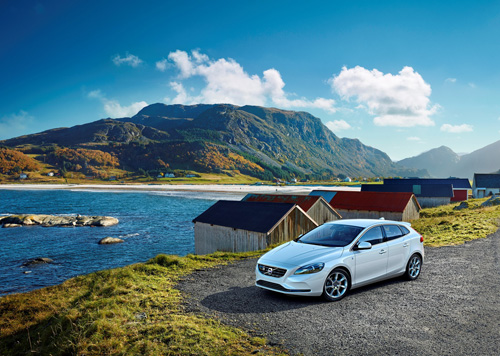
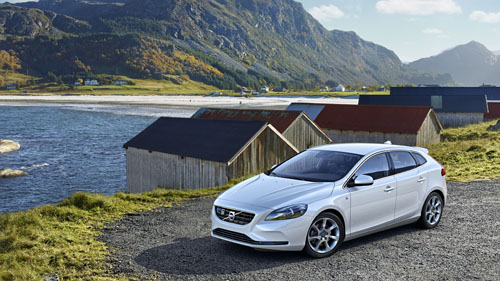
2015 - Volvo V40 Ocean Race Edition

2015 – Volvo V40 Ocean Race Edition

2015 - Volvo V40 Ocean Race

2015 – Volvo V40 Ocean Race

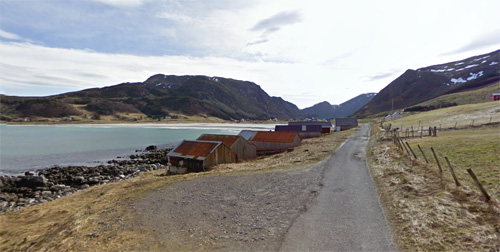
2016 - Refviksanden on Vågsøy in Norway (Google Streetview)

2016 – Refviksanden on Vågsøy in Norway (Google Streetview)

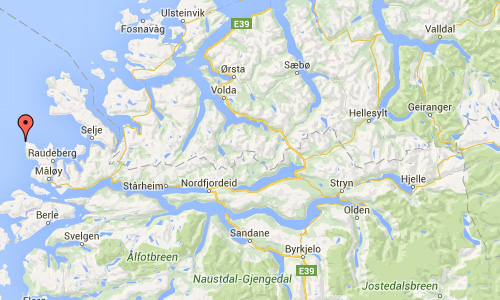
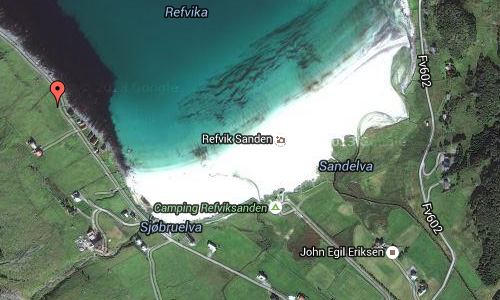
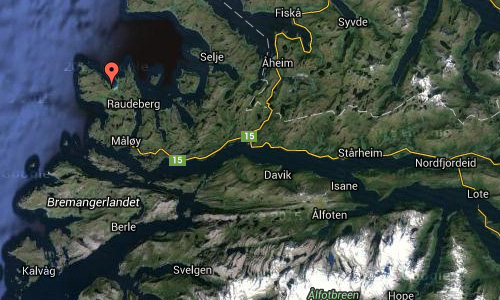
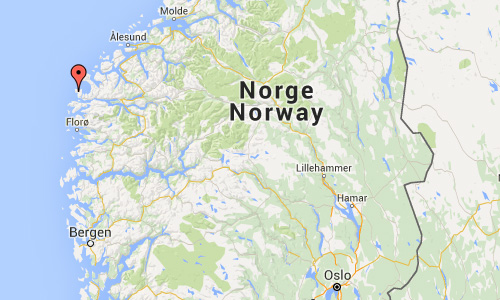
Refvik or Refvika is a village in Vågsøy Municipality in Sogn og Fjordane county, Norway. It is located on the north side of the island of Vågsøy, about 2 kilometres northwest of Raudeberg, 2 kilometres south of Vedvika, and 3.5 kilometres southwest of Langenes. The village of Kvalheim is located 2 kilometres to the southwest on the other side of a mountain.

The village lies between the lake Refvikvatnet and the ocean. The local Refviksanden beach, with its beautiful silver sand, is a 0.6 kilometres long beach that is one of Norway’s finest swimming beaches. Refvik has a population (2001) of 126 people.

The municipality of Vågsøy is the second largest fishing municipality in Norway, and is home to one of Norway’s most modern fish-processing plants.

2016 - Refviksanden on Vågsøy Maps02

2016 - Refviksanden on Vågsøy Maps01

2016 - Refviksanden on Vågsøy Maps00

More information on www.vivest.no and www.visitnorway.se.
Volvo Photography Locations