home

[ Content | Sidebar ]

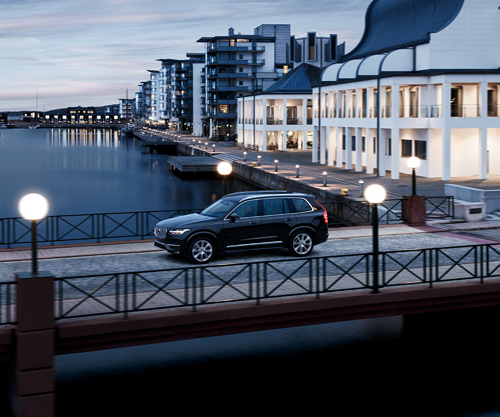
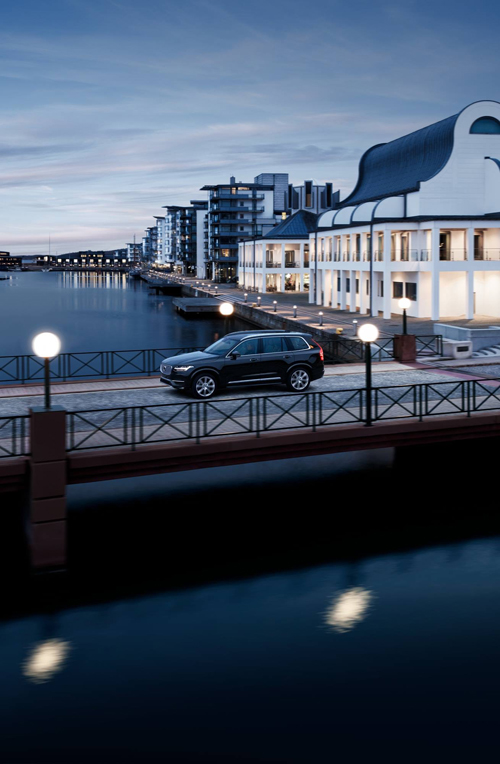
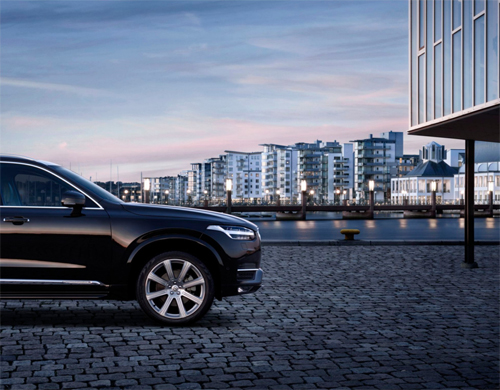
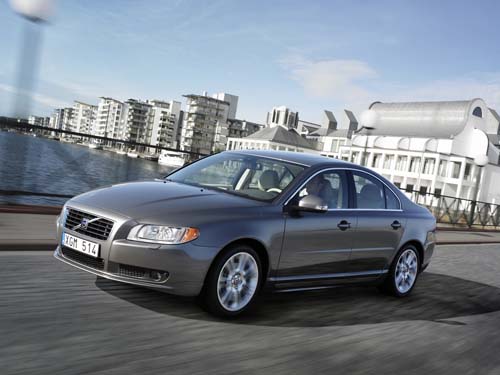
Lindholmspiren on Lindholmen in Göteborg 🇸🇪

February 10th, 2012

Volvo Photo Locations Part 19

Historic Volvo Photography Locations Overview

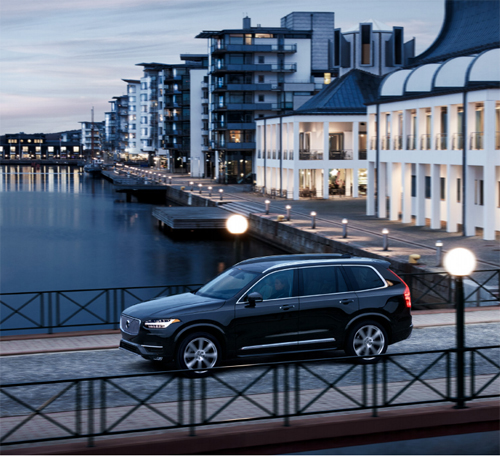
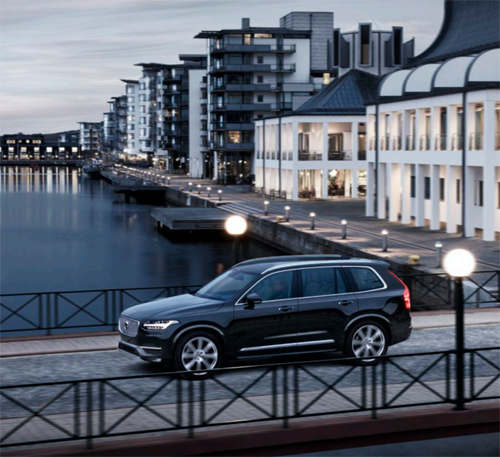
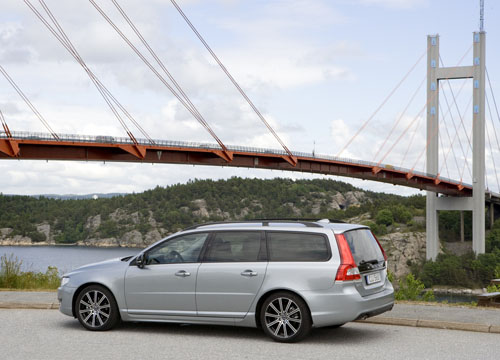
2025 – Volvo XC60 on Lindholmspiren in Göteborg, Sweden 🇸🇪.

2025 – Volvo XC60 on Lindholmspiren in Göteborg, Sweden 🇸🇪.

2025 – Volvo XC60 and XC40 on Lindholmspiren in Göteborg, Sweden 🇸🇪.
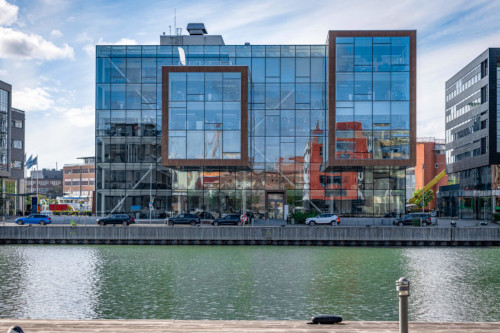
2025 – VFF Pension on Lindholmspiren in Göteborg, Sweden.

2024 – Volvo EX40 Sand Dune Edition at Lindholmspiren in Lindholmen on Hisingen in Göteborg, Sweden 🇸🇪.

2024 – Volvo EC40 Black Edition at Lindholmspiren in Lindholmen on Hisingen in Göteborg, Sweden 🇸🇪.

2024 – Volvo EC40 Black Edition at Lindholmspiren in Lindholmen on Hisingen in Göteborg, Sweden 🇸🇪.

2023 – Volvo C40 Recharge Pure Electric and Volvo XC40 Recharge Pure Electric on Lindholmspiren on Lindholmen in Göteborg, Sweden 🇸🇪.

2023 – Volvo C40 Recharge Pure Electric and Volvo XC40 Recharge Pure Electric on Lindholmspiren on Lindholmen in Göteborg, Sweden 🇸🇪.

2023 – Volvo XC40 Recharge Pure Electric on Lindholmspiren on Lindholmen in Göteborg, Sweden 🇸🇪.

2023 – Volvo XC40 Recharge Pure Electric on Lindholmspiren on Lindholmen in Göteborg, Sweden 🇸🇪.

2023 – Volvo XC40 Recharge Pure Electric on Lindholmspiren on Lindholmen in Göteborg, Sweden 🇸🇪.

2023 – Volvo XC40 Recharge Pure Electric on Lindholmspiren on Lindholmen in Göteborg, Sweden 🇸🇪.

2023 – Volvo XC40 Recharge Pure Electric on Lindholmspiren on Lindholmen in Göteborg, Sweden 🇸🇪.

2023 – Volvo XC40 Recharge Pure Electric on Lindholmspiren on Lindholmen in Göteborg, Sweden 🇸🇪.

2023 – Volvo XC40 Recharge Pure Electric on Lindholmspiren on Lindholmen in Göteborg, Sweden 🇸🇪.

2023 – Volvo XC40 Recharge Pure Electric on Lindholmspiren on Lindholmen in Göteborg, Sweden 🇸🇪.
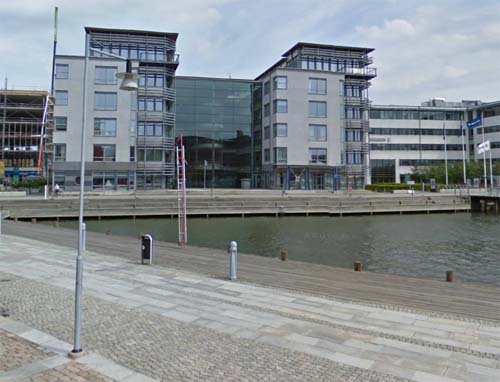
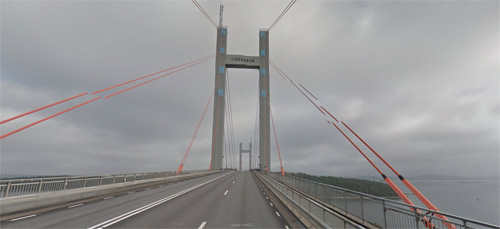
2012 - Lindholmen in Göteborg (Google Streetview)

Lindholmen Science Park is a part of the Norra Älvstranden region, where a new district of 60,000 people is evolving.
The development of Lindholmen Science Park started at the turn of 1999/2000, when Chalmers and Gothenburg City jointly took the decision to start a technology park at Lindholmen. Ericsson, Volvo Group and Volvo Cars of were partners right from the start. A key factor in the establishment was that many of Chalmers university programs already existed at Lindholmen. In addition, Lindholmen had developed into a center of excellence for high school education.
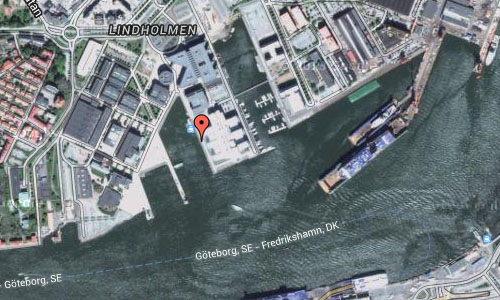
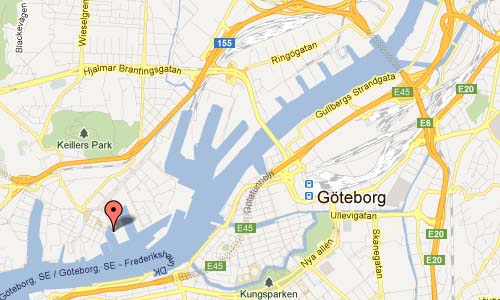
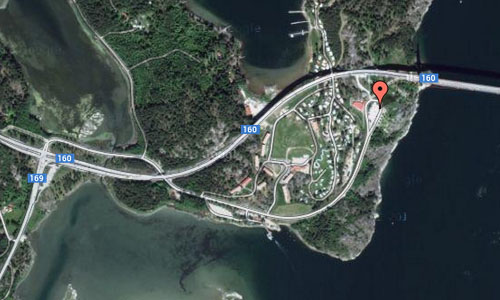
Lindholmen in Göteborgmaps3

More information on www.lindholmen.se
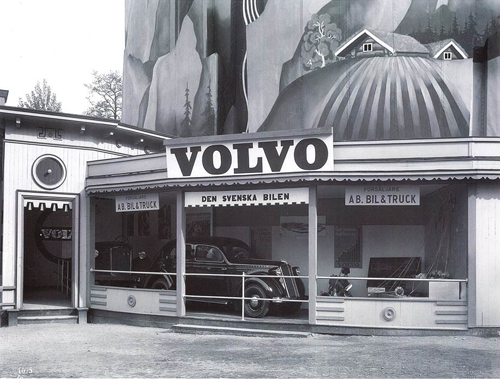
Historic Volvo Photography Locations Overview

Liseberg Amusement Park in Göteborg 🇸🇪

February 10th, 2012

Volvo Photo Locations Part 18
Historic Volvo Photography Locations Overview

1937 – Volvo PV52 at Liseberg in Göteborg, Sweden 🇸🇪.

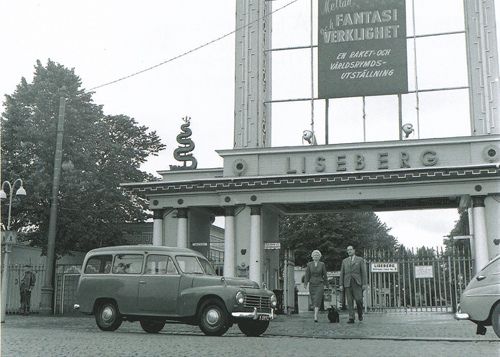
1955 – Volvo PV445 Duett at Liseberg in Göteborg with Erik and Gulli Bang aka Truxa

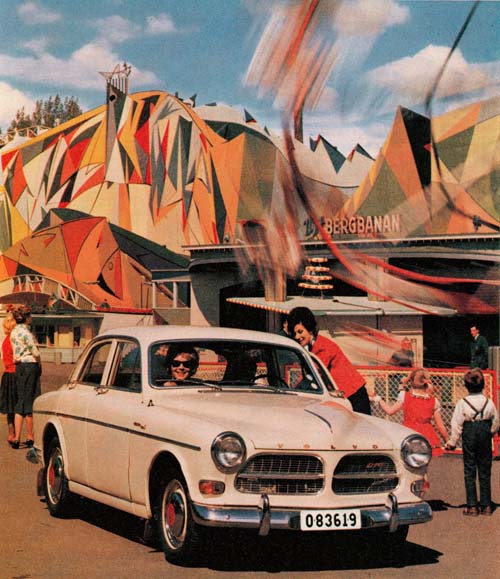
1962 – Volvo Amazon at Liseberg in Göteborg, Sweden 🇸🇪.(source)

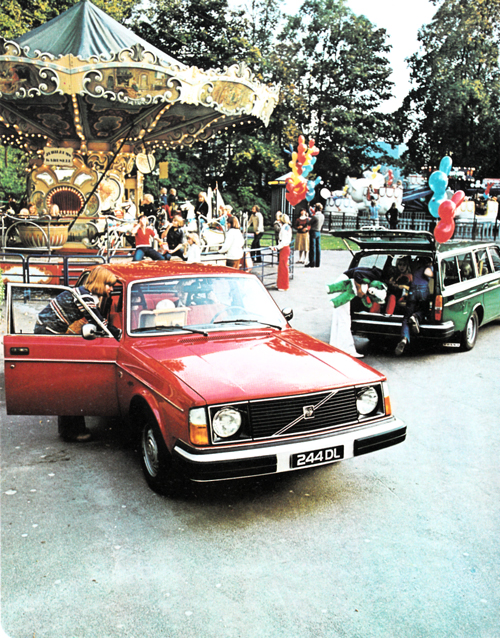
1978 – Volvo 244 DL & 245 at Liseberg Jubileumskarusellen at Liseberg Amusement Park in Göteborg, Sweden 🇸🇪.

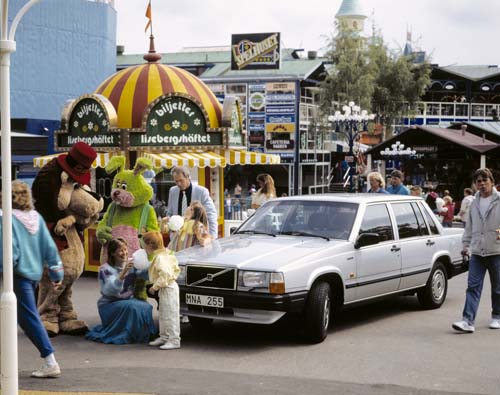
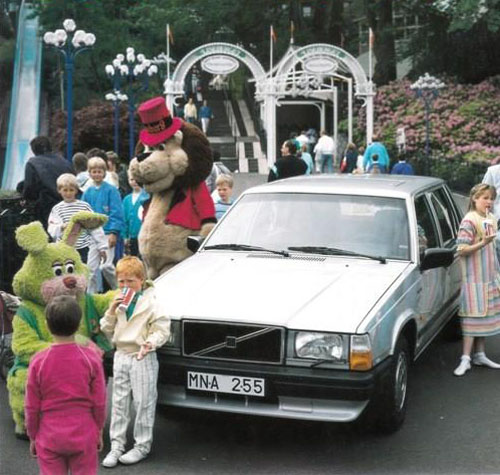
1985 – Volvo 740 GL at Liseberg in Göteborg, Sweden 🇸🇪.

1985 – Volvo 740 GL

1985 – Volvo 740 GL at Liseberg in Göteborg, Sweden 🇸🇪.

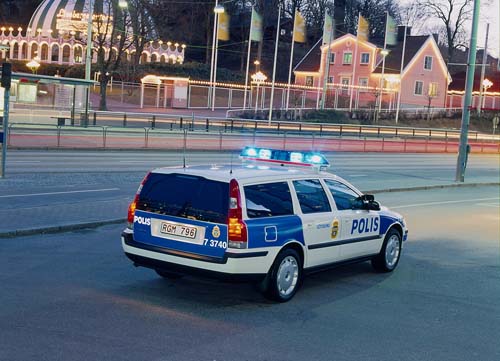
2000 - Volvo V70 Polis at Liseberg on Örgrytevägen in Göteborg, Sweden 🇸🇪.

2000 – Volvo V70 Polis at Liseberg on Örgrytevägen in Göteborg, Sweden 🇸🇪.

2000 – Volvo V70 Polis at Liseberg on Örgrytevägen in Göteborg, Sweden 🇸🇪.

2000 – Volvo V70 from the Norwegian Politi (Police) at Liseberg on Örgrytevägen in Göteborg, Sweden 🇸🇪.

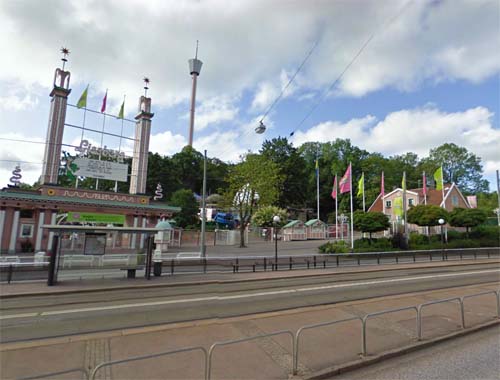
2012 - Liseberg in Göteborg (Google Streetview)

Liseberg is an amusement park located in Gothenburg, Sweden, the park opened in 1923. Liseberg is one of the most visited amusement parks in Scandinavia, attracting around 3 million visitors annually. Among the noteworthy attractions is the wooden roller coaster Balder, voted twice (2003 and 2005) as the Best Wooden Tracked Roller Coaster in the world in a major international poll. The park itself has also been chosen as one of the top ten amusement parks in the world (2005) by Forbes Magazine.

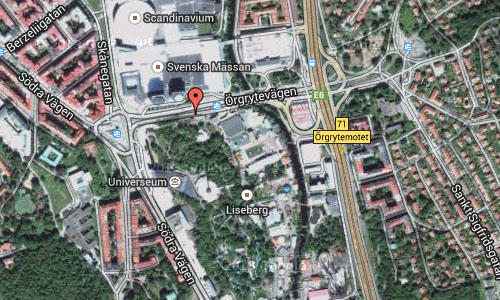
Liseberg in Göteborg maps2

More information at liseberg.se
Historic Volvo Photography Locations Overview

Kevinge strand near Ulriksdals slott in Stockholm 🇸🇪

February 9th, 2012

Volvo Photo Locations Part 17
Historic Volvo Photography Locations Overview

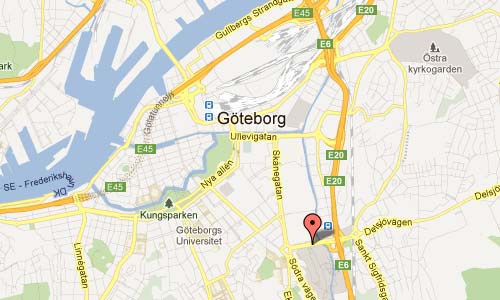
1988 - Volvo 760 GLE at Kevinge strand in Danderyd with view on Ulriksdals slott in Solna, Sweden 🇸🇪.

Great photography for Volvo Cars by Thomas Dirk Heere! heeretd.myportfolio.com 📸👍

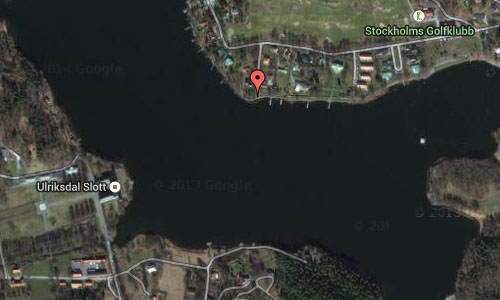
2012 - Kevinge strand in Danderyd with view on Ulriksdals slott in Solna, Sweden.

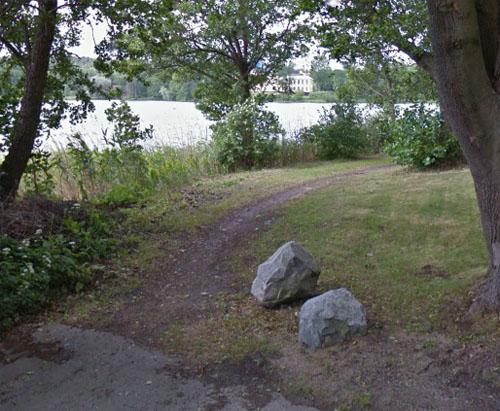
2015 - Ulriksdals slott in Stockholm (Google Streetview)

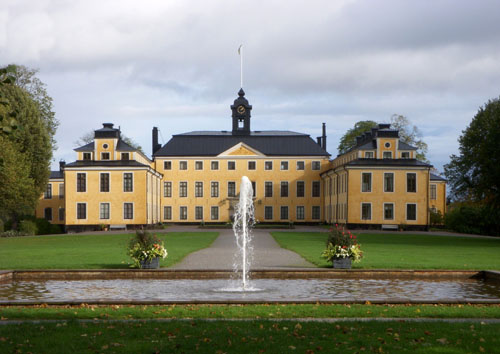
Ulriksdal Palace (Swedish: Ulriksdals slott) is a royal palace situated on the banks of the Edsviken in the National City Park in Solna, 6 km north of Stockholm. It was originally called Jakobsdal after its owner Jacob De la Gardie, who had it built by architect Hans Jacob Kristler in 1643-1645 as a country retreat. He later passed on to his son, Magnus Gabriel De la Gardie, from whom it was purchased in 1669 by Queen Hedvig Eleonora. The present design is mainly the work of architect Nicodemus Tessin the Elder and dates from the late 17th century.

Ulriksdals_slott_väst_2011a

Hedvig Eleonora had grand plans for the palace and renamed it in 1684 Ulriksdal in honor of its intended future owner, her grandson Prince Ulric. The prince, however, died at the age of one and Hedvig Eleonora kept the palace until her death in 1715 when the property was transferred to the crown for King Frederick I’s disposal.

Several drawings by Nicodemus Tessin the Elder show a stately palace, three storeys high, with a lantern roof, furnished attic, and side wings extending the lakeside façade. Implementation of Tessin’s designs began under Hedvig Eleonora in the 1670s, but was halted around 1690 due to financial problems.

When building work eventually resumed by King Frederick I in the 1720s, the palace architect Carl Hårleman had different ideas than Tessin the Elder. Among the features incorporated by Hårleman was one of the first mansard roofs in Sweden. In the mid-18th century, the palace was occupied by King Adolf Frederick and Queen Louisa Ulrika. The Queen set up a theatre here, today called the Confidencen.

Relatively little survives of the 18th century interiors, since Ulriksdal served as a veterans’ hospital from 1822 to 1849. The hospital was established by King Charles XIV John for veterans of the Russo-Swedish War of 1808-1809. The palace was therefore almost empty when it was acquired in 1856 by Prince Charles, later King Charles XV. With the aid of architect Fredrik Wilhelm Scholander and through extensive purchases of antiques, Prince Charles was able to design and furnish the palace at his own taste. Many of these furnishings are still on display.
In 1923, Prince Gustav Adolf, the future King Gustaf VI Adolf married Louise Mountbatten. Ulriksdal became to be closely associated with the royal couple. During their time, the former knights’ hall was turned into a living room with furniture designed by designer Carl Malmsten.

The palace has been open to the public since 1986. The original furnishings have been relocated to the preserved rooms and parts of the former living quarters are used to exhibit items from Gustaf VI Adolf’s art and crafts collection as well as Gustaf V’s silver collection.

The Palace Theatre, the Confidencen, is situated in a building from the 1670s which was originally used as a horse riding house and later a guesthouse. In 1753, Queen Louisa Ulrika commissioned architect Carl Fredrik Adelcrantz to convert the building into a theatre. It was built in Rococo style, seats 200 spectators and has a table à confidence, a table which can be lowered through the floor to the basement to be set. The Confidencen is today the oldest Rococo theatre in Sweden.

Ulriksdal Palace had in the palace’s northern wing originally a chapel, built in 1662 by architect Jean de la Vallée. The chapel was torn down during Gustav III’s renovation of the palace in 1774. The present chapel was designed by architect Fredrik Wilhelm Scholander and was built in 1864-1865 in the Palace garden, in Dutch new Renaissance style with a certain influences from Venice.

Next to the palace is the greenhouse, today the Orangery Museum. The Orangery was built at the end of the 17th century by architect Nicodemus Tessin the Younger. Despite a number of later changes, Tessin’s architecture still dominates the Orangery, which houses parts of the National Museum’s sculpture collection, including works by the sculptors Johan Tobias Sergel, Carl Milles and Johan Niclas Byström. In 2005 the Orangery inspired the design of the music pavilion at Stålboga.

Ulriksdals slott in Stockholm Maps2

More information on www.kungahuset.se and en.wikipedia.org.

Historic Volvo Photography Locations Overview

Uddevallabron near Uddevalla 🇸🇪

February 9th, 2012

Volvo Photo Locations Part 16
Historic Volvo Photography Locations Overview

2020 – Volvo XC40 Recharge P8 AWD on Uddevallabron near Uddevalla, Sweden 🇸🇪.

2020 – Volvo XC40 Recharge P8 AWD on Uddevallabron near Uddevalla, Sweden 🇸🇪.

2004 - Volvo XC70

2004 – Volvo XC70 AWD on Uddevallabron near Uddevalla, Sweden 🇸🇪.

2004 - Volvo XC70 AWD on Uddevallabron near Uddevalla, Sweden 🇸🇪.

2004 – Volvo S40 on Uddevallabron near Uddevalla, Sweden 🇸🇪.

2010 - Volvo S40 on Uddevallabron near Uddevalla, Sweden 🇸🇪.

2013 – Volvo XC70 on Uddevallabron near Uddevalla, Sweden 🇸🇪.

2015 - Volvo V40

2015 – Volvo V40 R-Design on Uddevallabron near Uddevalla, Sweden 🇸🇪.

2015 – Volvo V40 R-Design on Uddevallabron near Uddevalla, Sweden 🇸🇪.

2012 - Uddevallabron near Uddevalla (Google Streetview)

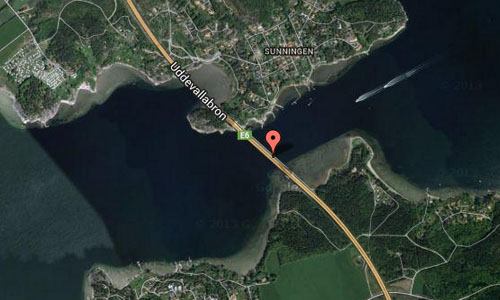
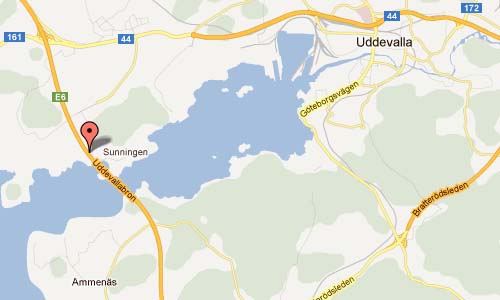
The Uddevalla Bridge is a cable-stayed bridge crossing Sunninge sound near Uddevalla in the province of Bohuslan on the west coast of Sweden. The bridge was constructed as part of the rerouting of the European route E6 outside Uddevalla, which reduced traffic congestion in the city and shortened traveling distance by 12 kilometers.

Uddevallabron near Uddevalla Maps

More information on en.wikipedia.org en.structurae.de

Historic Volvo Photography Locations Overview

Dunkers kulturhus in Helsingborg 🇸🇪

February 9th, 2012

Volvo Photo Locations Part 15
Historic Volvo Photography Locations Overview

2016 – Volvo XC90 – USA version

2016 - Volvo XC90

2016 – Volvo XC90 on Kvickbron near Dunkers kulturhus in Helsingborg

2016 - Volvo XC90 on Kvickbron near Dunkers kulturhus in Helsingborg

2016 – Volvo XC90 on Kvickbron near Dunkers kulturhus in Helsingborg

2016 – Volvo XC90 on Kvickbron near Dunkers kulturhus in Helsingborg

2016 - Volvo XC90

2016 – Volvo XC90

2014 – Volvo V40 on Kvickbron near Dunkers kulturhus in Helsingborg, Sweden.

2014 – Volvo V40 on Kvickbron near Dunkers kulturhus in Helsingborg, Sweden.

2014 - Volvo V40

2014 – Volvo V40

2006 - Volvo S80

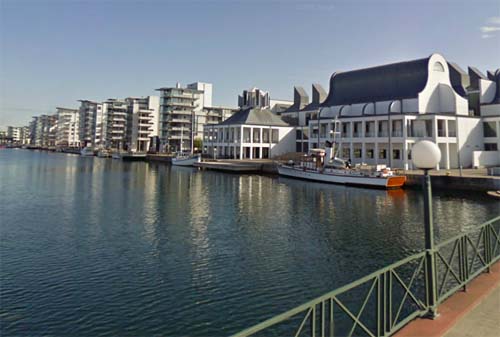
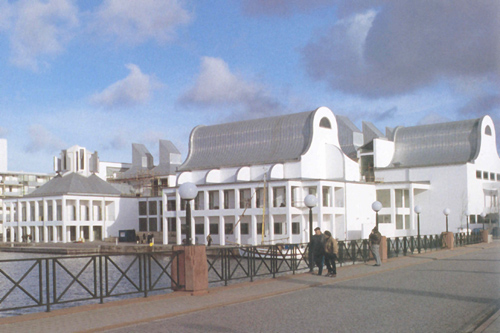
2012 - Dunkers Kulturhus in Helsingborg (Google Streetview)

The Dunker Culture House (Dunkers kulturhus) is a museum and art centre designed by Kim Utzon. It is the museum for Helsingborg and it is themed to trace the history of the sea from the ice age to the modern day. The museum was paid for by charities founded by Henry Dunker who was a local businessman who made a fortune from rubber products.

Kulturhuset

A year before Dunker died in 1962 he was chair of the board of his company Trelliborgs Gummifabriks AB. The business employed 5,000 people and it had a floor area of 180,000 square yards

Dunkers Kulturhus, a cultural center filled with fascinating exhibits, music and theater from different scenes.

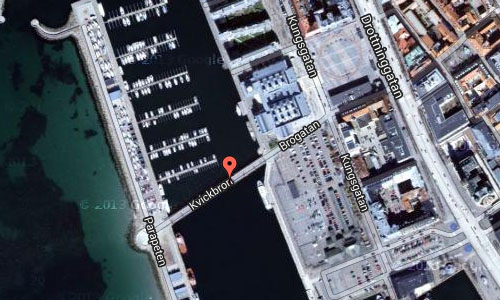
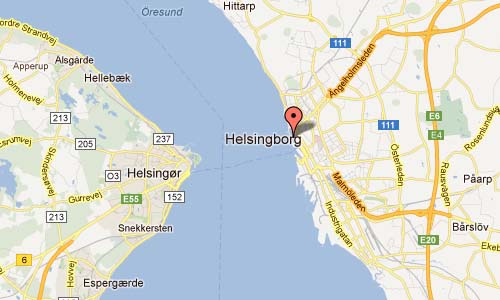
Dunkers kulturhus maps2

More information on www.dunkerskulturhus.se and sv.wikipedia.org

Historic Volvo Photography Locations Overview

Kalmar Slott in Kalmar 🇸🇪

February 9th, 2012

Volvo Photo Locations Part 14
Historic Volvo Photography Locations Overview

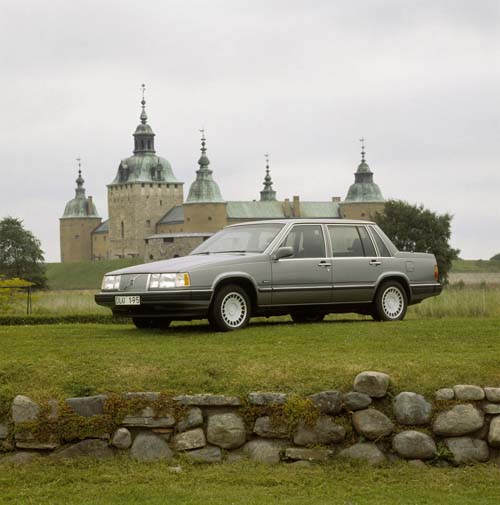
1988 - Volvo 760 GLE (US-version) at Kalmarsundsparken near Kalmar Slott in Kalmar, Sweden.

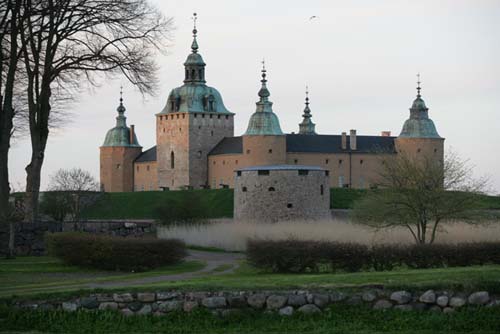
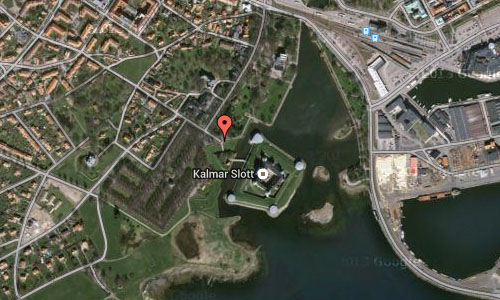
2012 - Kalmar Slott in Kalmar

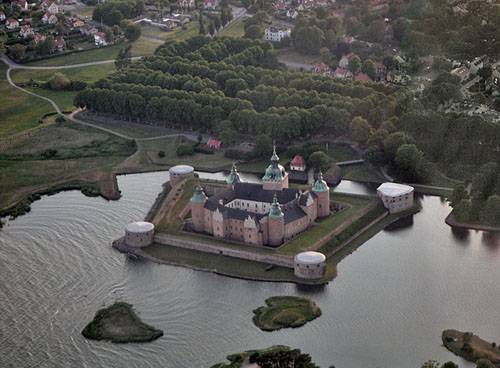
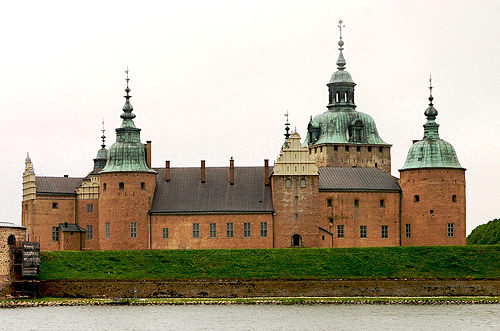
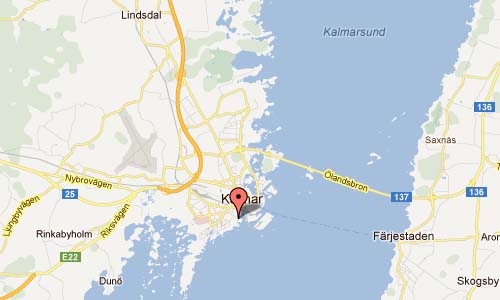
Kalmar Castle (Swedish: Kalmar slott) is a castle in Kalmar, the province of Småland in Sweden.

The history of Kalmar Slott stretches back over 800 years. During the 12th century a defense tower was erected to protect against pirates and other sea-faring enemies. A harbour was constructed and in the course of time a castle grew around the original tower. Kalmar Castle soon became “The Key to the Kingdom”, a significant defensive fortification on the Danish border with an essential part in international, political life.

kalmarslott

During the twelfth century a round defensive tower was built on Kalmarsund and a harbour constructed. At the end of the thirteenth century King Magnus Ladulås had a new fortress built with a curtain wall, round corner towers and two square gatehouses surrounding the original tower. Located near the site of Kalmar’s medieval harbor, it has played a crucial part in Swedish history since its initial construction as a fortified tower in the 12th century.

One of the most significant political events in Scandinavia took place at Kalmar Castle in 1397, when the Kalmar Union was formed – a union of Denmark, Norway and Sweden (including Finland), organized by Queen Margaret I of Denmark. During the Swedish rebellion against Denmark in 1520, the fortress was commanded by Anna Eriksdotter (Bielke), who at the death of her spouse, Johan Månsson Dag och Natt, in the middle of the rebellion against Denmark in 1520, took control over his fiefs and defended Kalmar against Denmark.

The fortress was improved during the 16th century under the direction of King Gustav I and his sons King Eric XIV and King John III, who turned the medieval fortress into a castle fit for a renaissance king. Kalmar Castle suffered heavy damage during the Kalmar War of 1611-13 and was badly damaged by a fire in 1642. Repairs were begun but from the end of the seventeenth century the castle was allowed to fall into disrepair.

In 1856, architect Fredrik Wilhelm Scholander (1816–1881) initiated restoration work at Kalmar Castle. His pupil Helgo Zettervall continued restoring Kalmar Castle in the 1880s. Architect Carl Möller drew up the plans and other documents. The work began in 1885 and by 1891 the castle had gained the silhouette it bears today. In 1919 professor Martin Olsson was charged with the continuing restoration of earthworks, the moat, the bridge and the drawbridge. Work continued until 1941, when the castle was once more surrounded by water. Today, it is one of Sweden’s best preserved renaissance castles and is open to the public.

Kalmar Slott in Kalmar maps2

More information on www.kalmarslott.kalmar.se

Historic Volvo Photography Locations Overview

Tjörn bridge on Tjörn near Stenungsund 🇸🇪

February 9th, 2012

Volvo Photo Locations Part 13
Historic Volvo Photography Locations Overview

1981 – Volvo 245 Turbo on Tjörn bridge or Länsväg 160 towards Tjörn near Stenungsund, Sweden 🇸🇪.

1998 - Volvo S80 on Tjörn bridge or Länsväg 160 near Stenungsund, Sweden 🇸🇪.

1998 – Volvo S80 on Tjörn bridge or Länsväg 160 near Stenungsund, Sweden 🇸🇪.

1998 – Volvo S80 on Tjörn bridge or Länsväg 160 near Stenungsund, Sweden 🇸🇪.

1998 – Volvo S80 on Tjörn bridge or Länsväg 160 near Stenungsund, Sweden 🇸🇪.

1998 – Volvo S80 on Tjörn bridge or Länsväg 160 near Stenungsund, Sweden 🇸🇪.

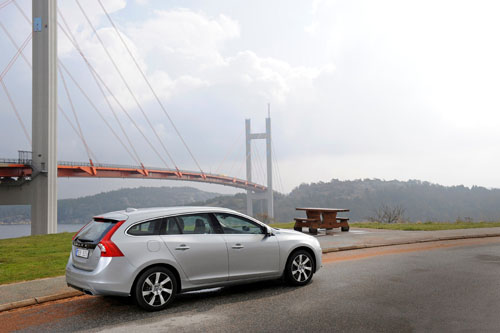
2012 – Volvo V60 on Tjörn bridge or Länsväg 160 towards Tjörn near Stenungsund, Sweden 🇸🇪.

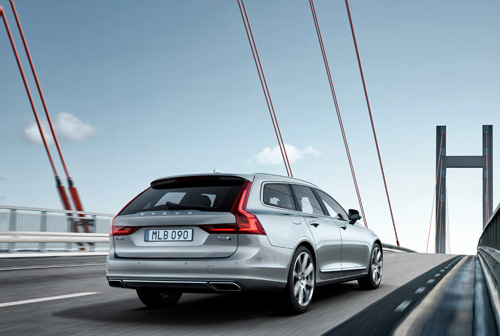
2016 - Volvo V90

2016 – Volvo V90 on Tjörn bridge or Länsväg 160 towards Tjörn near Stenungsund, Sweden 🇸🇪.

2023 – Volvo C40 Recharge on Tjörn bridge or Länsväg 160 towards Tjörn near Stenungsund, Sweden 🇸🇪.

1987 - Volvo 240 at Rastplats Tjörnbron in Myggenäs, Sweden 🇸🇪.

1992 – Volvo 940 SE at Rastplats Tjörnbron in Myggenäs, Sweden 🇸🇪.

2013 - Volvo V60 Plug-in Hybrid

2013 – Volvo V60 Plug-in Hybrid at Rastplats Tjörnbron in Myggenäs, Sweden 🇸🇪.

2013 - Volvo V60 Plug-in Hybrid

2013 – Volvo V60 Plug-in Hybrid at Rastplats Tjörnbron in Myggenäs, Sweden 🇸🇪.

2014 - Volvo V70 D4 Sport

2014 – Volvo V70 D4 Sport at Rastplats Tjörnbron in Myggenäs, Sweden 🇸🇪.

2012 - Tjörn Bron seen from at Rastplats Tjörnbron in Myggenäs (Google Streetview)

2016 - Tjörnbron towards Stenungsund (Google Streetview)

2016 – Tjörnbron towards Stenungsund (Google Streetview)

The Tjörn Bridge (Swedish: Tjörnbron) is a cable-stayed bridge which together with two smaller bridges connects Stenungsund on mainland Sweden with the island Tjörn on the western coast of the country. The length is 664 m, the span width is 366 m, and the height above the water is 45 m.

Inaugurated in 1981, the bridge was built in record time after its predecessor, the Almö Bridge, which had been inaugurated in June 1960, collapsed after the bulk carrier MS Star Clipper collided with its span at 1:30 AM on 18 January 1980 in fog and darkness. Eight people died in 7 vehicles that plunged into the sea before the bridge could be closed.

Tjörn bridge on Tjörn Maps

More information on www.tjornbropark.com

Historic Volvo Photography Locations Overview

Kungsportsplatsen in Göteborg 🇸🇪

February 9th, 2012

Volvo Photo Locations Part 12
Historic Volvo Photography Locations Overview

1970 - Volvo 144 Taxi on Östra Larmgatan near Kungsportsplatsen in Göteborg, Sweden.

2012 - Kungsportsplatsen in Göteborg (Google Streetview)

Kungsportsplatsen is a square in the city centre of Gothenburg, Sweden. The square was constructed 1852 and got its name after the King’s gate (the name literally means The King’s gate place).

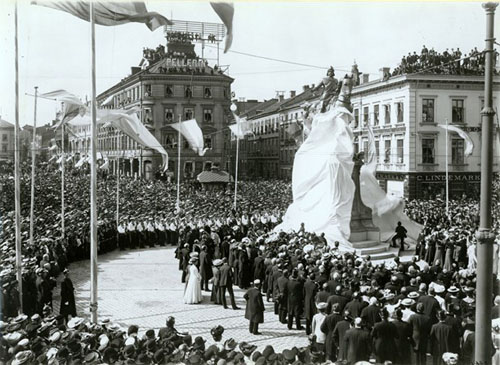
Inauguration of statue of Karl IX in 1904

Inauguration of statue of Karl IX in 1904

The gate was the main entrance to the fortified city, which was and still is surrounded by a moat. When the city grew outside the moat and there was no need to defend the city any longer the gate was torn down.

At Kungsportsplatsen there is a statue of king Charles IX, which was placed there 1904.

Kungsportsplatsen in Göteborgmaps2

More information on www.goteborgnonstop.se and sv.wikipedia.org

Historic Volvo Photography Locations Overview

Röhsska museet on Vasagatan in Göteborg 🇸🇪

February 9th, 2012

Volvo Photo Locations Part 11
Historic Volvo Photography Locations Overview

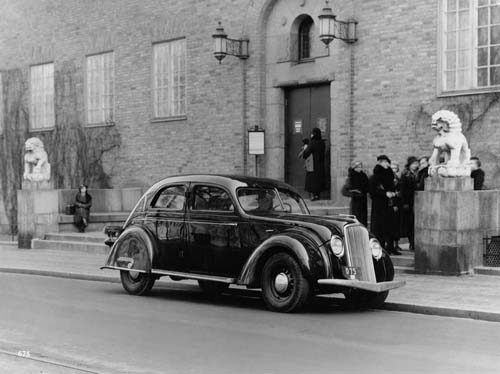
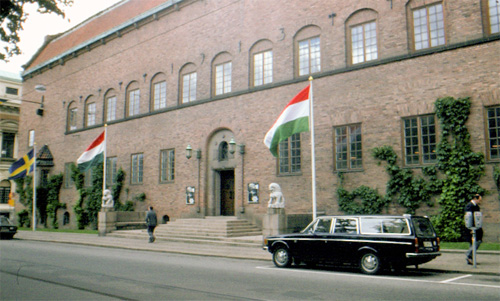
1936 - Volvo PV36 at Röhsska museet on Vasagatan in Göteborg, Sweden 🇸🇪.

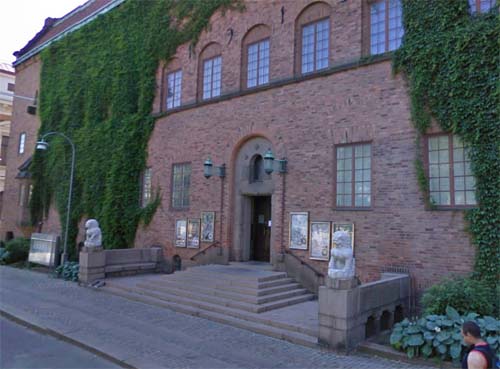
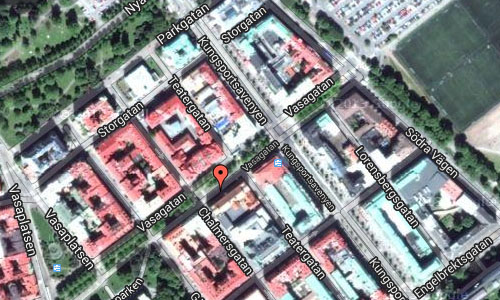
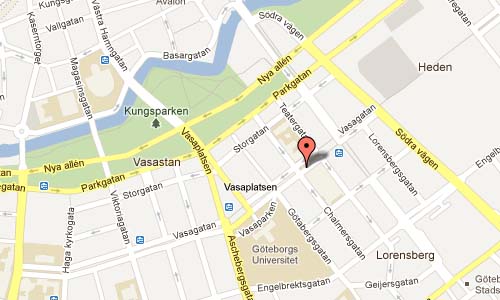
2012 - Röhsska museet on Vasagatan in Göteborg (Google Streetview)

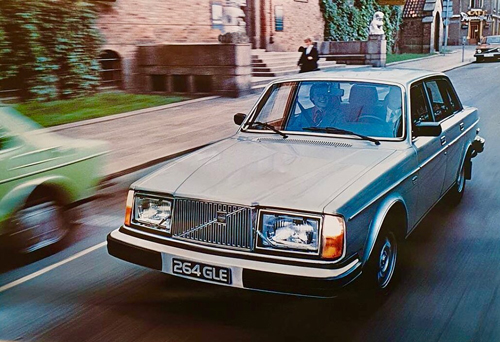
1977 – Volvo 264 GLE at Röhsska museet on Vasagatan in Göteborg, Sweden 🇸🇪.

1975 - Röhsska Museet in Göteborg

1975 – Röhsska Museet on Vasagatan in Göteborg

The Röhsska Museum (Swedish: Röhsska museet, earlier named Röhsska konstslöjdsmuseet, also known as Design Museum), is located at Vasagatan 37-39 in Göteborg, Sweden. It is a museum focused on design, fashion and applied arts.

The museum collection consists of over 50,000 objects. The majority of the collection consists of handicraft and design products from Sweden and Europe and arts and crafts from Japan and China. The museum also holds a very fine collection of fashion from the 20th and 21st centuries, including many haute couture garments from Paris and other famous fashion designs from all over the world. Today, the Röhsska Museum mainly collects contemporaneous material and the museum seeks to achieve a dialogue with its users on contemporary phenomena and expression.

The Röhsska museet (Museum of Design and Applied Art) on Vasagatan has Sweden´s most comprehensive permanent exhibition of contemporary and historic Swedish design, as well as interesting temporary design and craft exhibitions, with an excellent shop and a popular café.

rohsskamuseet maps2

More information on www.designmuseum.se and rohsska.se.

Historic Volvo Photography Locations Overview

Borås Zoo in Borås 🇸🇪

February 8th, 2012

Volvo Photo Locations Part 10
Historic Volvo Photography Locations Overview

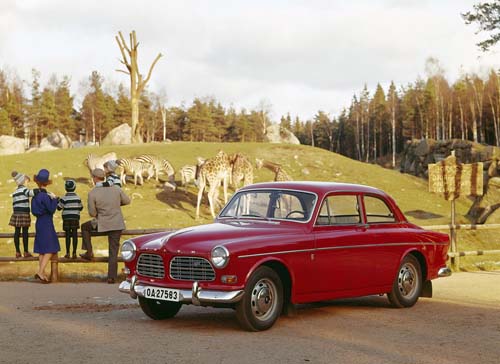
1968 - Volvo 122S Amazon

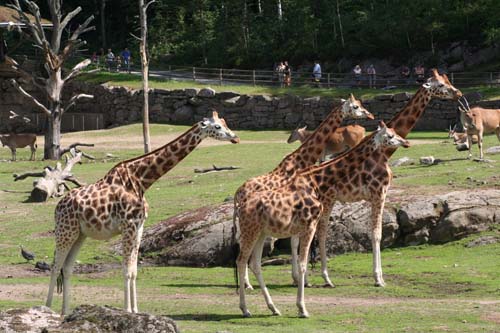
2011 - Borås Zoo in Borås (own photo)

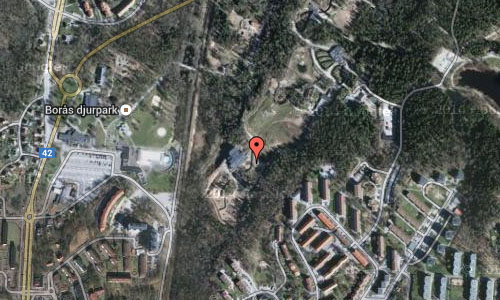
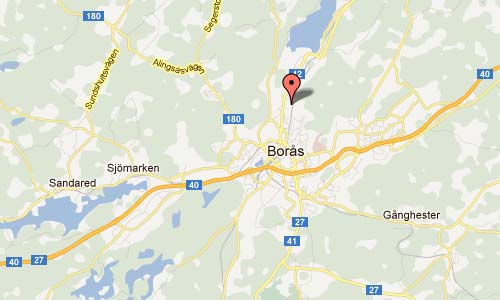
Borås Djurpark is a 40-hectare (99-acre) zoo in the northern part of central Borås, Sweden. It has about 500 animals of 80 different species. The zoo was founded in 1962 by Sigvard Berggren, who was manager until 1969.

(More pictures from Borås Zoo 2011)

Boras djurpark maps2

More information on www.borasdjurpark.se

Historic Volvo Photography Locations Overview