home

[ Content | Sidebar ]

Carrer d’Angel J Baixeras in Barcelona – ES 🇪🇸

December 10th, 2016

International Volvo Photo Locations Part 250
Click for Volvo Photography Locations Overview

2014 - Volvo S60 at Carrer d'Angel J Baixeras in Barcelona Spain

2014 – Volvo S60 at Carrer d’Angel J Baixeras in Barcelona, Spain 🇪🇸 (Photography by Henrik Ottosson)

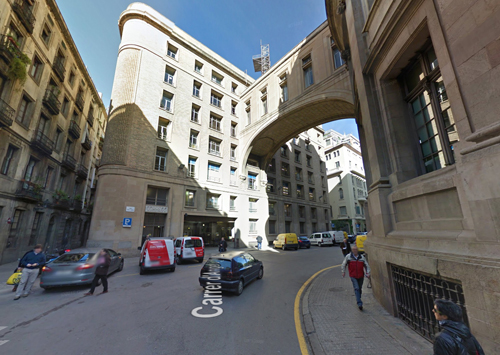
2016 - Carrer d'Angel J Baixeras in Barcelona, Spain (Google Streetview)

2016 – Carrer d’Angel J Baixeras in Barcelona, Spain (Google Streetview)

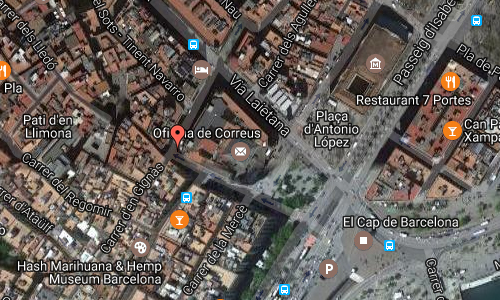
Carrer d’Angel J Baixeras is a street in the Gothic Quarter (or Barrio Gótico in Spanish) in Barcelona, Spain. At this location, the Spanish Postal services Correus has a postal office, hence the many yellow cars in the street today.

Angel J Baixeras was an Spanish architect and urbanist that lived between 1834 and 1892. He is mainly known for the creation of an urban project of reform of the old centre of Barcelona, the Plan of interior reform of Barcelona (1878). At the end of the 19th century, the City of Barcelona planned the expansion of its city in the Plan de Ensanche, elaborated by Ildefonso Cerdá in 1859. This plan foresaw the opening of three major avenues in the old town: two connecting the Ensanche with The coast (Muntaner and Pau Claris-Via Layetana) and another in perpendicular sense (Avenue of the Cathedral).

The Gothic Quarter is the centre of the old city of Barcelona. It stretches from La Rambla to Via Laietana, and from the Mediterranean seafront to Ronda de Sant Pere. It is a part of Ciutat Vella district.

The quarter was built primarily in the late 19th and early 20th century, though several buildings date from medieval times. Remains of the squared Roman Wall can be seen around Tapineria and Sots-Tinent Navarro to the north, Avinguda de la Catedral and Plaça Nova to the west and Carrer de la Palla to the south. El Call, the medieval Jewish quarter, is located within this area too.

The Barri Gòtic retains a labyrinthine street plan, with many small streets opening out into squares. Most of the quarter is closed to regular traffic although open to service vehicles and taxis.

Entering the Gothic Quarter is to make for Barcelona’s origins, the place where two thousand years ago the Romans founded Bàrcino. Today, we can follow the traces of that Roman city thanks to preserved fragments of the walls that encompass a perimeter which still marks the typical layout of a Roman town. The cardo, located along today’s Carrer Llibreteria, the decumanus along Carrer Ciutat and the Forum, where Plaça Sant Jaume is today, in the centre. Very close to this square, going up Carrer Paradís to the doorway of the ramblers’ club, the Centre Excursionista de Catalunya, you can find a millstone that signals the highest point of Mont Tàber, a hill rising 16 m above sea level and, inside, hidden in the patio of this Gothic building, four columns are preserved from the Roman temple that stood at this point.

The narrow streets and little squares of this neighbourhood invite you to wander around and let yourself be surprised by its charm and always lively atmosphere. There are many curious little corners, like Plaça Traginers, under one of the towers on the Roman walls; Plaça Sant Just, with the oldest medieval fountain in the city and an imposing Gothic church; and the Baroque Plaça Sant Felip Neri, with a central fountain that fills it with freshness.

Painters like Picasso, Casas, Novell and Russinyol have strolled through the Gothic Quarter looking for inspiration before entering the Quatre Gats cafe, on Carrer Montsió. Gaudí also walked here as he took his daily saunter to the church of Sant Felip Neri, as did the architect Domènech i Montaner on his way to find inspiration for the Palau de la Música. Thousands of visitors walk through the Barri Gòtic everyday, following in the footsteps of history.

The Gothic Quarter is one of two extremely popular pickpocketing hotspots in Barcelona, the other being La Rambla. It is a major problem in both areas of the city. Tourists are advised to be wary when in these areas.

2016-carrer-dangel-j-baixeras-in-barcelona-spain-maps02

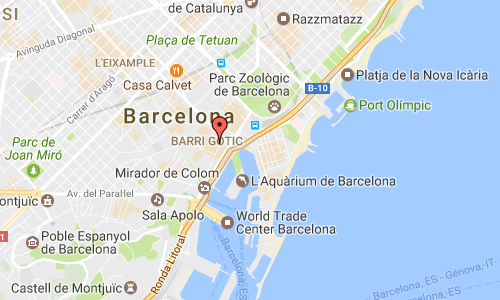
2016-carrer-dangel-j-baixeras-in-barcelona-spain-maps01

More information at es.wikipedia.org and meet.barcelona.cat.

Volvo Photography Locations

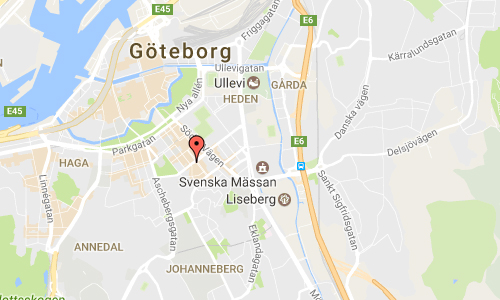
Kungsportsavenyen in Göteborg 🇸🇪

December 9th, 2016

Volvo Photo Locations Part 107
Historic Volvo Photography Locations Overview

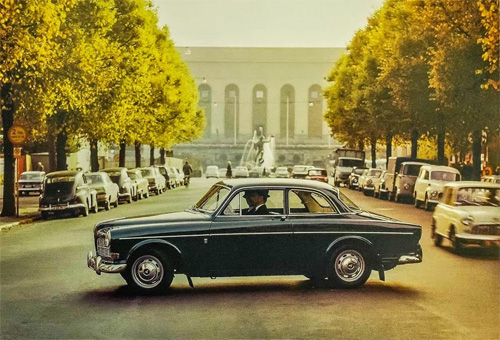
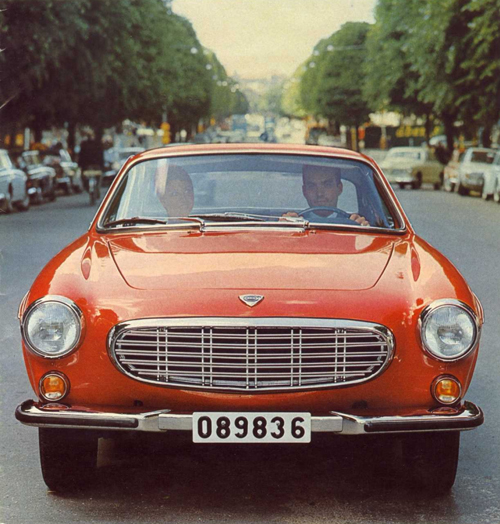
1964 - Volvo 122S at Kungsportsavenyen in Göteborg

1964 – Volvo 122S on Kungsportsavenyen in Göteborg, Sweden 🇸🇪.

1968 - Volvo P1800 S at Avenyn in Göteborg

1968 – Volvo P1800 S on Avenyn in Göteborg, Sweden 🇸🇪.

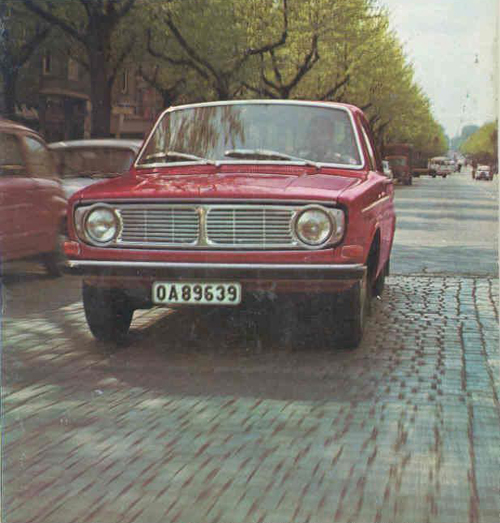
1968 – Volvo 144 on Kungsportsavenyen in Göteborg, Sweden 🇸🇪.

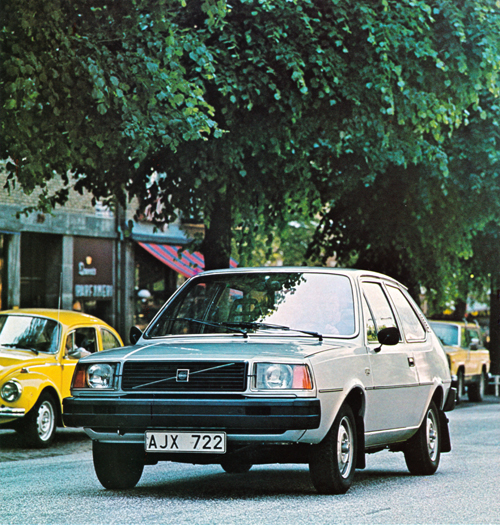
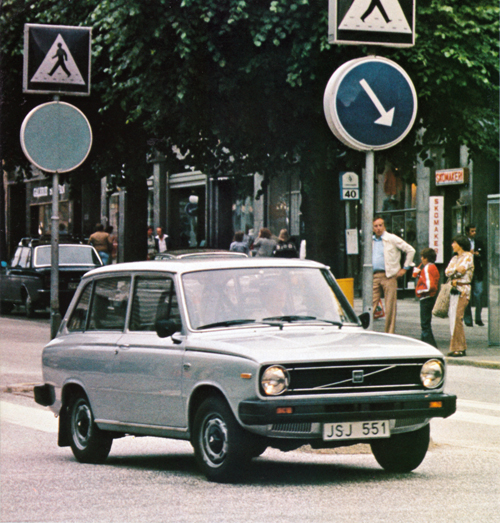
1978 – Volvo 343 on Kungsportsavenyen 39 in Göteborg, Sweden 🇸🇪.

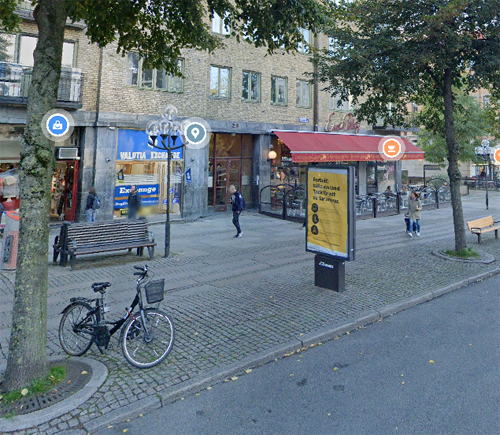
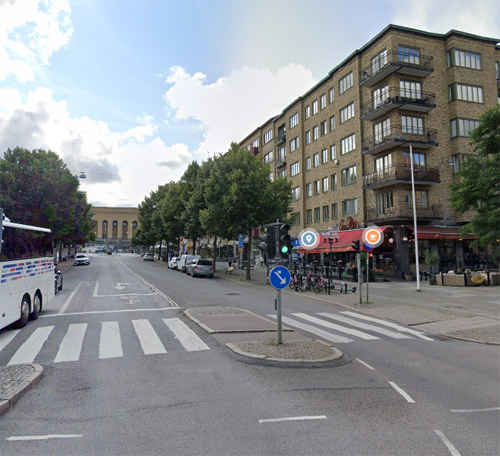
2022 – Kungsportsavenyen 39 in Göteborg (Google Streetview)

1978 – Volvo 66 DL Kombi on Kungsportsavenyen 39 in Göteborg, Sweden 🇸🇪.

2022 – Kungsportsavenyen 39 in Göteborg (Google Streetview)

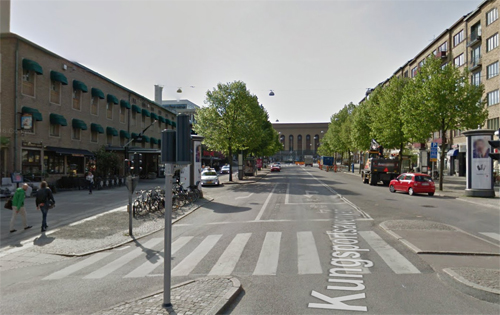
2016 - Kungsportsavenyen in Göteborg (Google Streetview)

2016 – Kungsportsavenyen in Göteborg (Google Streetview)

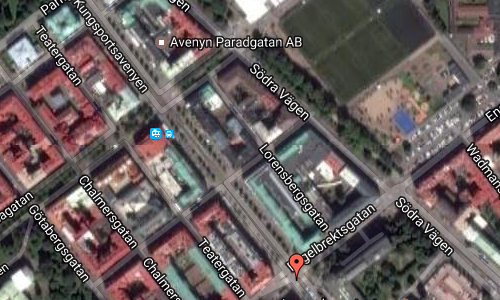
Avenyn or formally known as Kungsportsavenyen, is the main boulevard of Göteborg, Sweden. Designed in the mid 19th century as the first middle-class residential district outside the bastions of the fortified heart of the city, the design of Avenyn was inspired by established formal European streets like the Champs-Élysées in Paris and the Ringstraße in Vienna. The layout is as a result of an international town planning competition.

With a total length of about 1000 meters, it stretches from the moat at the edge of the oldest part of Göteborg, and ends at the Götaplatsen square, where the Göteborg Museum of Art and other prime cultural institutions are located.

At the moat, it connects to the narrower street Östra Hamngatan (formerly a canal), and the Avenue takes its it full name after Kungsporten, the “King’s Gate” which was located at the point in the fortifications where Östra Hamngatan ends. The gate and the rest of the fortifications were demolished in the 19th century and replaced by a park.

Initially a residential street for the wealthy businessmen of the city, Avenyn passes the Stora teatern, the Neo-Renaissance theatre and opera building from 1859, and today has a major concentration of pubs, clubs and restaurants.

2016-kungsportsavenyen-in-goteborg-maps02

2016-kungsportsavenyen-in-goteborg-maps01

More information at en.wikipedia.org and www.avenyn.se.

Thanks to Per Pettersson for finding this Volvo Photo Location!

Volvo Photo Locations

Säve Flygplats or Göteborg City Airport in Säve 🇸🇪

December 4th, 2016

Volvo Photo Locations Part 252

Historic Volvo Photography Locations Overview

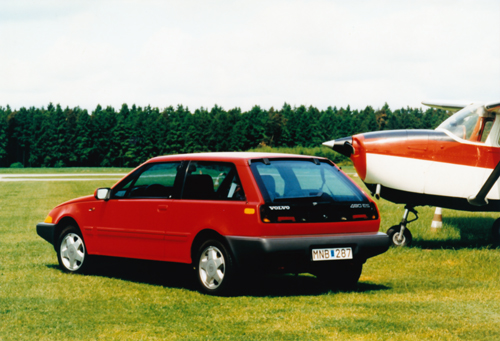
1987 – Volvo 480 ES at Göteborg City Airport or Säve Flygplats in Göteborg, Sweden 🇸🇪.
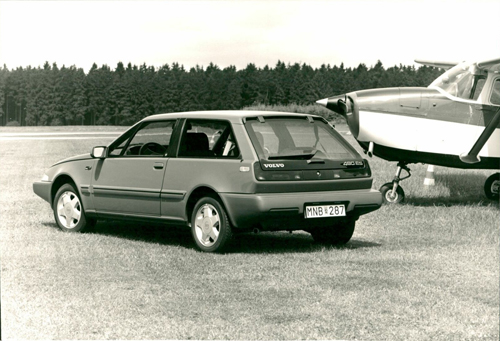
1987 – Volvo 480 ES at Göteborg City Airport or Säve Flygplats in Göteborg, Sweden 🇸🇪.
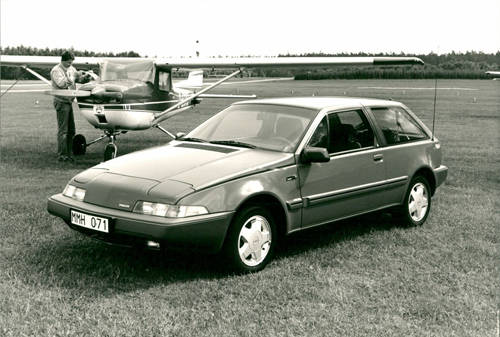
1987 – Volvo 480 ES at Göteborg City Airport or Säve Flygplats in Göteborg, Sweden 🇸🇪.
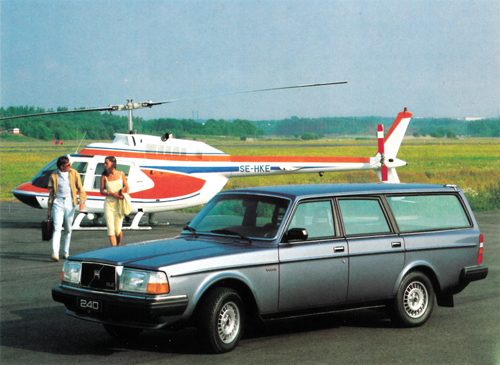
1983 – Volvo 245 GLE Estate at Göteborg City Airport in Säve Sweden
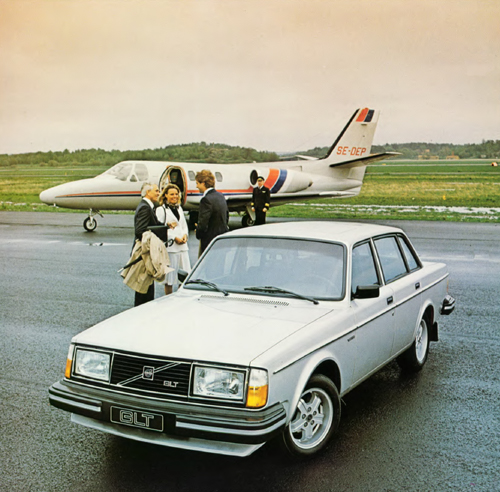
1980 – Volvo 244 GLT at Göteborg City Airport or Säve Flygplats in Göteborg

1980 - Volvo 244 GLT at Göteborg City Airport or Säve Flygplats

1980 – Volvo 244 GLT at Göteborg City Airport or Säve Flygplats in Göteborg. The pilot standing near the plane was Captain Hellberg

1980 – Volvo 244 GLT & 245 GLT at Göteborg City Airport or Säve Flygplats in Göteborg.
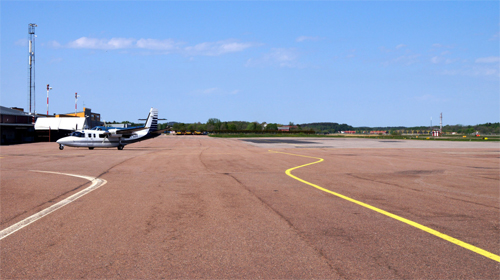
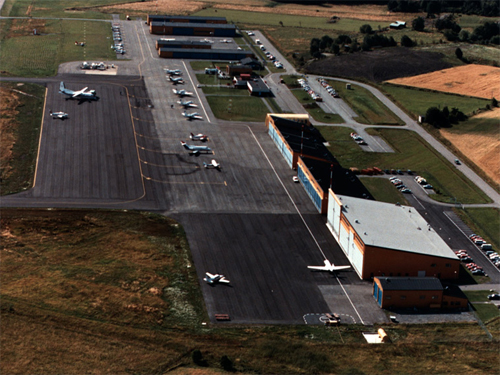
2016 - Säve Airport

2016 – Säve Airport

2016 - Säve Airport

2016 – Säve Airport

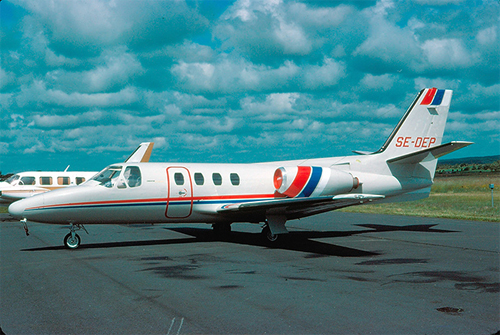
1979-06-30 - Cessna 500 Citation I with SE-DEP on Säve Airport (photography by Lars E Lundin)
1979-06-30 – Cessna 500 Citation I with SE-DEP on Säve Airport (photography by Lars E Lundin)

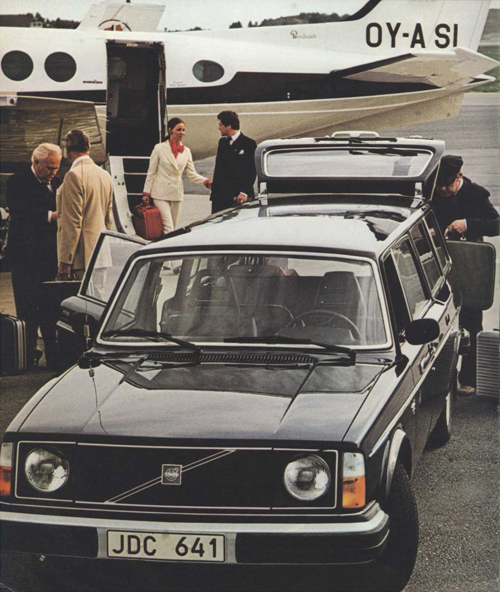
1978 – Volvo 245 Transfer on Säve Flygplats in Göteborg
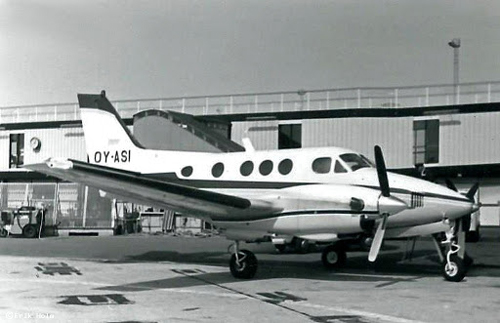
1977 – Beech 65-C90 King Air OY-ASI at Copenhagen-Kastrup Airport
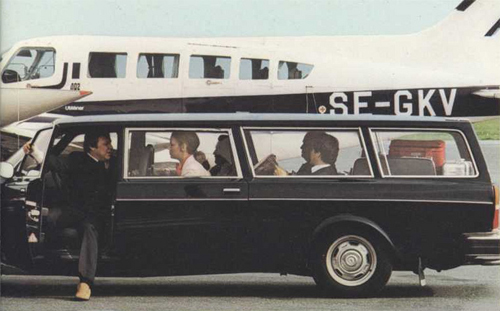
1978 – Volvo 245 Transfer on Säve Flygplats in Göteborg
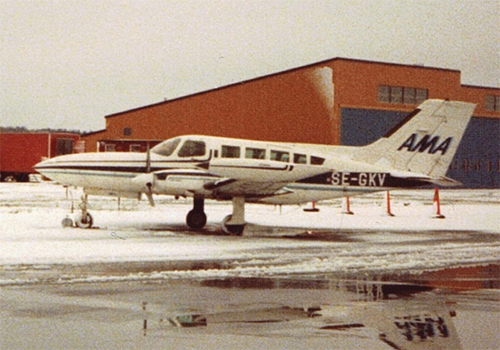
1979-03-10 – Cessna 402B SE-GKV from AMA-Flyg i Göteborg HB on Säve Airport
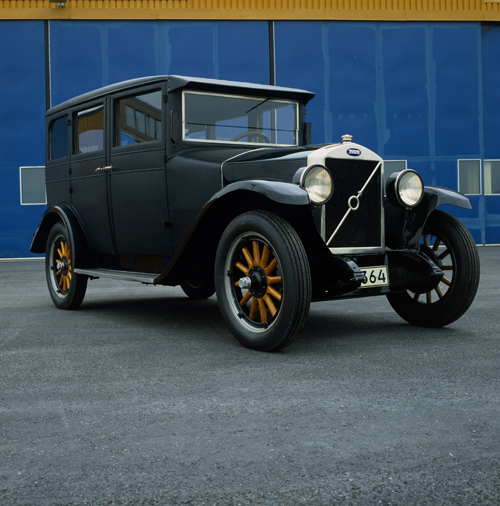
1927 – Volvo PV4 at Säve flygplats
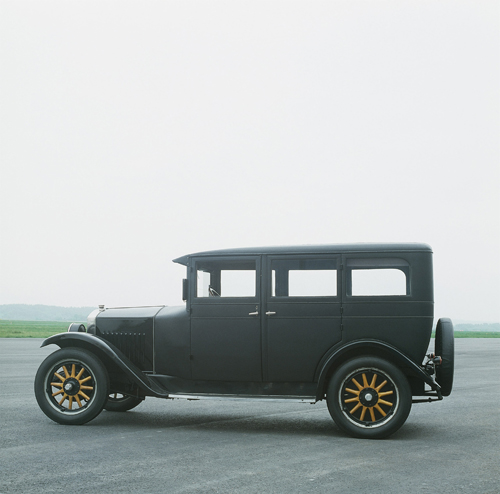
1927 – Volvo PV4 at Säve flygplats
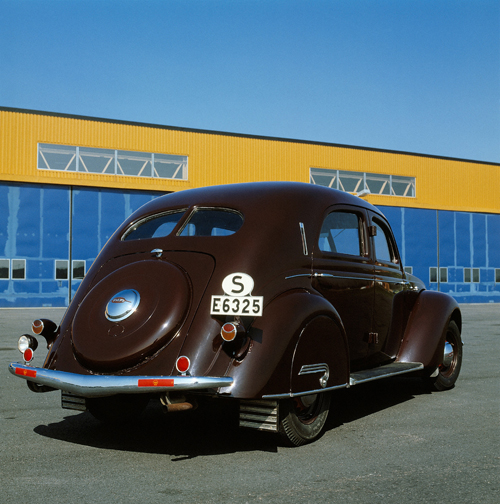
1935 – Volvo PV36 “Carioca” at Säve flygplats
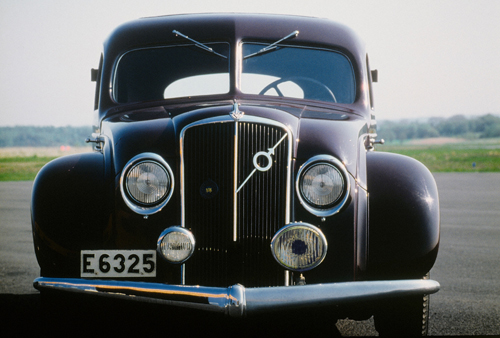
1935 – Volvo PV36 “Carioca” at Säve flygplats
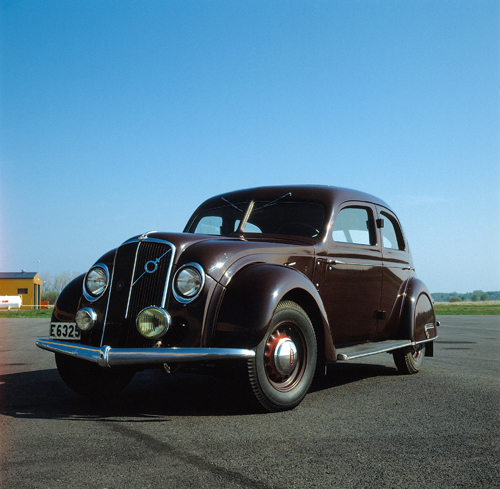
1935 – Volvo PV36 “Carioca” at Säve flygplats
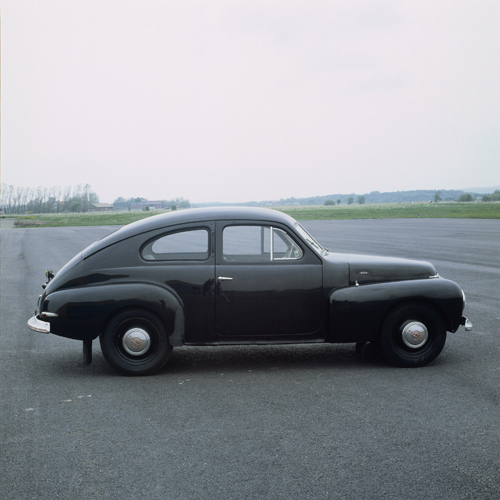
1947 – Volvo PV444 A at Säve flygplats
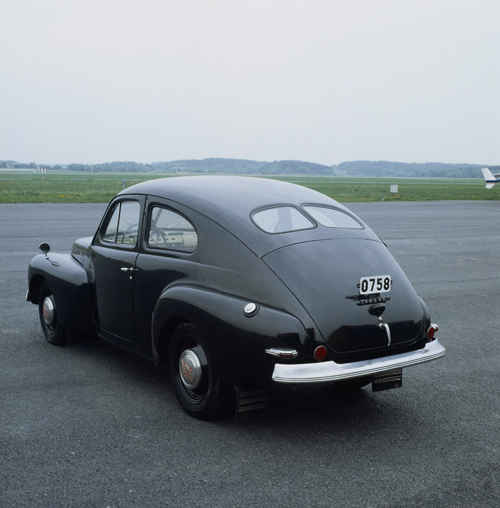
1947 – Volvo PV444 A at Säve flygplats
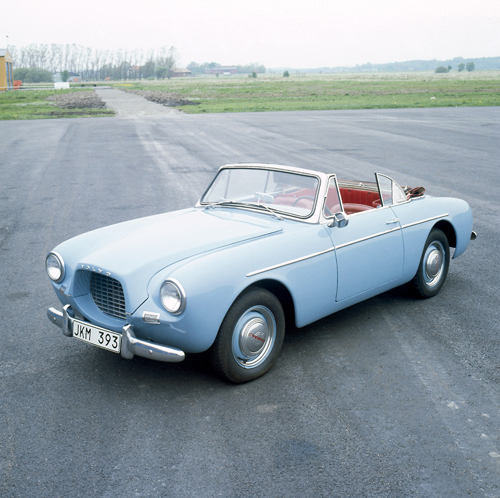
1956 – Volvo Sport P1900 at Säve flygplats
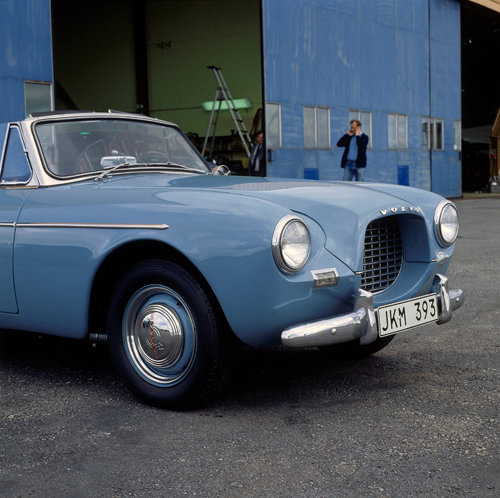
1956 – Volvo Sport P1900 at Säve flygplats
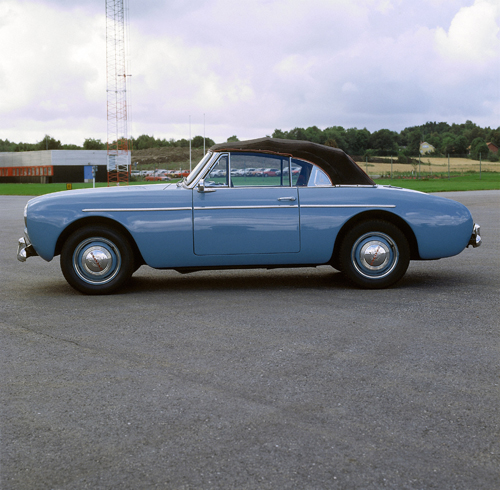
1956 – Volvo Sport P1900 at Säve flygplats
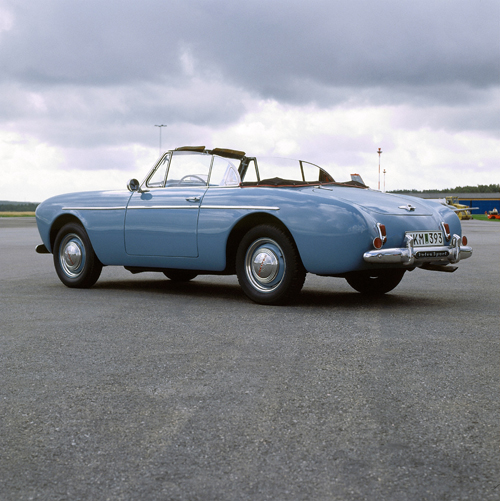
1956 – Volvo Sport P1900 at Säve flygplats
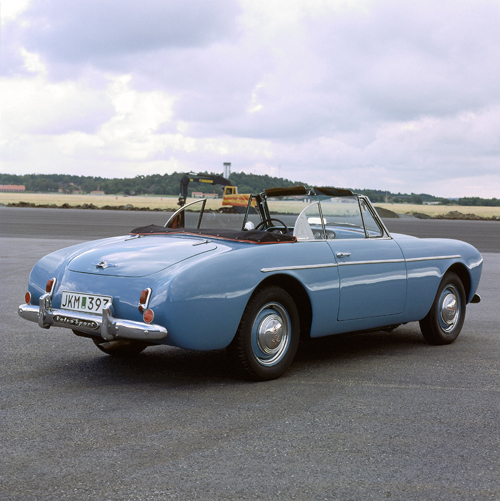
1956 – Volvo Sport P1900 at Säve flygplats
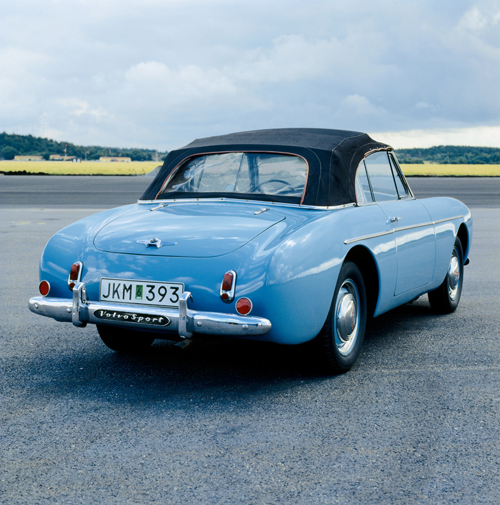
1956 – Volvo Sport P1900 at Säve flygplats
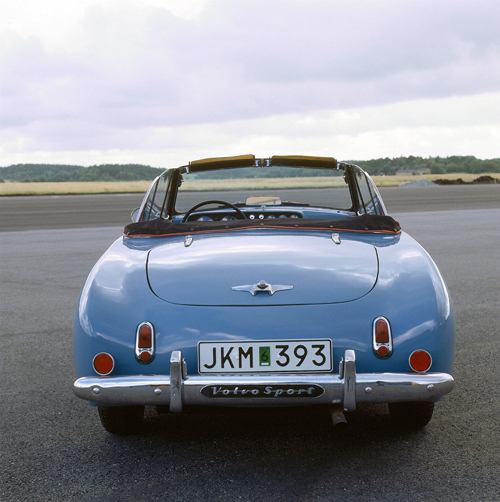
1956 – Volvo Sport P1900 at Säve flygplats
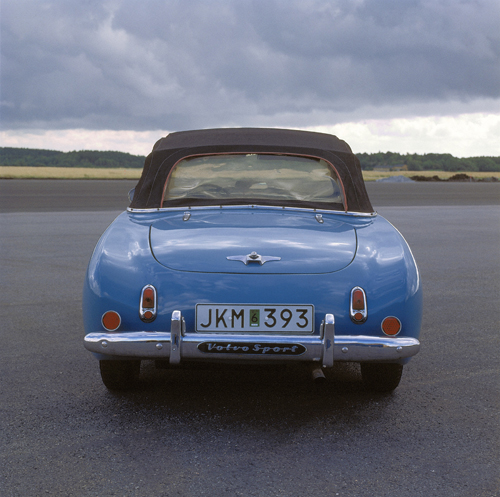
1956 – Volvo Sport P1900 at Säve flygplats
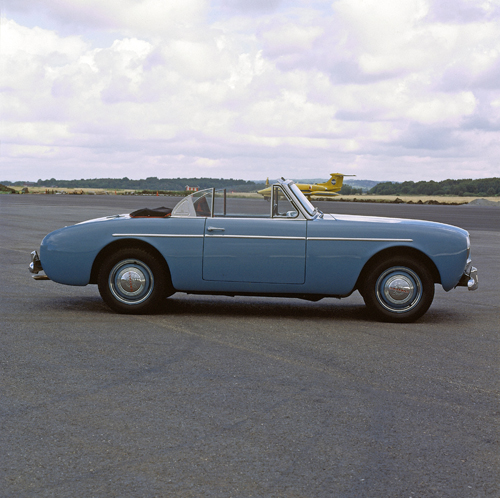
1956 – Volvo Sport P1900 at Säve flygplats
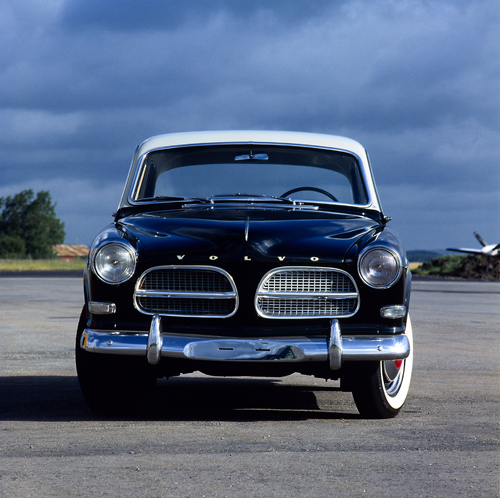
1957 – Volvo 122 Amazon at Säve flygplats
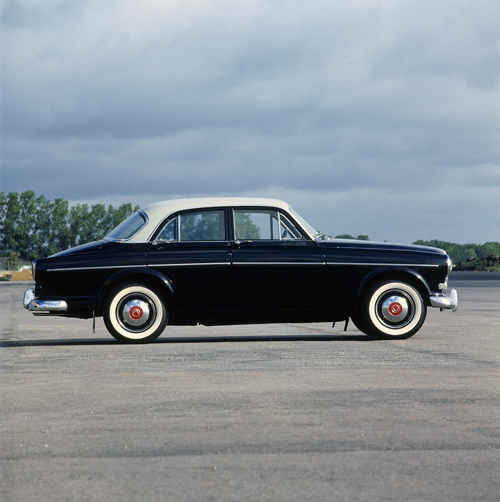
1957 – Volvo 122 Amazon at Säve flygplats
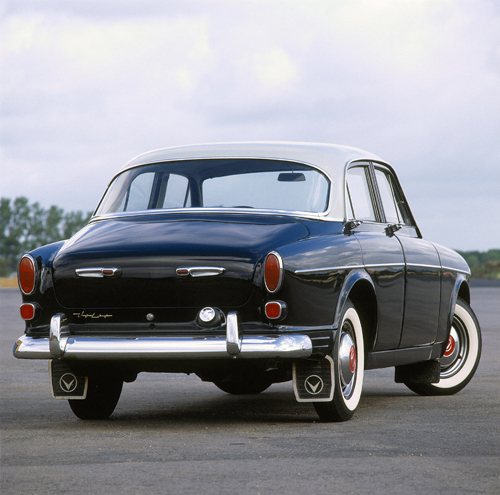
1957 – Volvo 122 Amazon at Säve flygplats
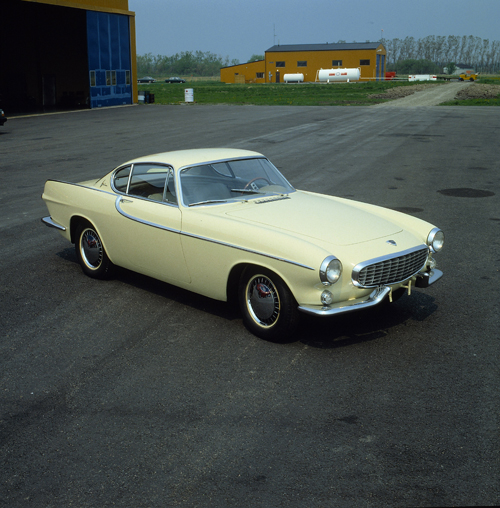
1959 – Volvo P1800 prototype P956 at Säve flygplats
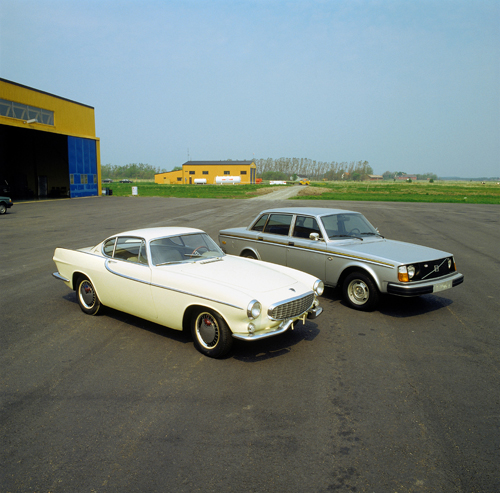
1959 – Volvo P1800 prototype P956 and 1977 – Volvo 244 Jubilee at Säve flygplats
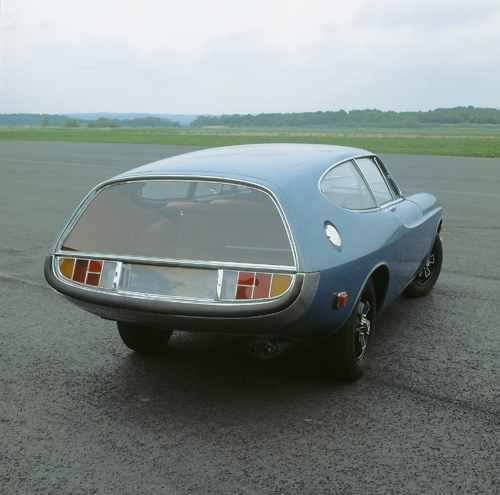
1969 – Volvo Raketen or P1800 Prototype The Rocket at Säve flygplats
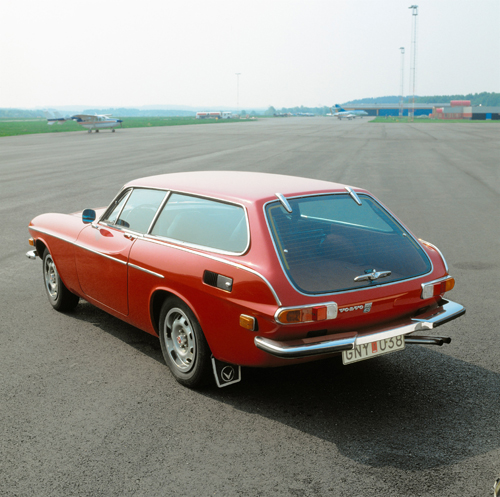
1972 – Volvo 1800 ES at Säve flygplats

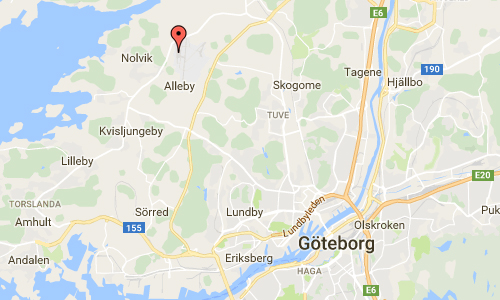
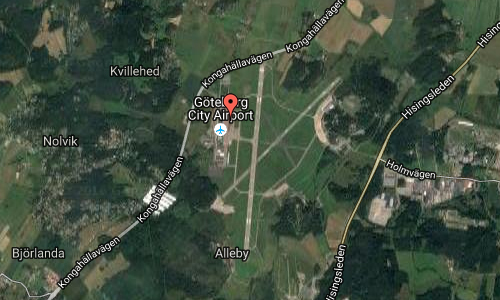
Säve Flygplats is located north of Göteborg.

Volvo had in some of the hangars stored a large collection of old Volvo cars and trucks.
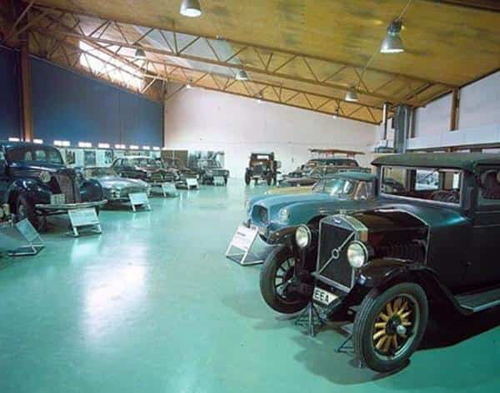
1990 – Volvo’s collection of historic vehicles stood in a hangar at Säve Airport from the beginning of the 1980s until 1995 when the current Volvo Museum in Arendal opened.

With the opening of the Volvo Museum in Arendal, Volvo moved most of the cars and trucks away from the hangars at Säve airport.

In 1963, Volvo’s customer magazine Ratten reported that the company had compiled a complete collection of the car models manufactured during the company’s first 25 years. It was about fifteen vehicles. Among other things, several rarities that no longer remain in Volvo’s ownership include an unusual PV657 Ambulance and an LV70 Fire Truck from 1931.

During the inauguration of the new factory in Torslanda in 1964, King Gustav VI Adolf and Gustaf Larson – one of Volvo’s founders – were driven in a Volvo ÖV4 that was borrowed by a private person, because the company did not then own a copy of the convertible.

However, during the rest of the 1960s and a bit into the 1970s, building a museum was not a priority issue within the Volvo Group.

In the mid-1970s, the collection stood in the so-called “Blue Hangar” at Torslanda airport. It was then about 5-6 vehicles but only two of them must have been drivable. A few other vehicles were scattered on Volvo’s premises around the country. Unfortunately, the hangar burned down after only a few years, however, most of the vehicles managed to recover from damage.

For a few years they were placed in temporary premises, but from the beginning of the 1980s the collection was in a hangar at Säve airport in the middle of Hisingen. Around this time, the vehicles began to be properly maintained and new ones purchased.

In the early 1990s, the collection was expanded with a large number of rarities. The company bought from Charlie the former importer in Belgium, Charlie Mannerie, a large collection of Volvo cars. They were a cross-section of models – from the 1920s to the 1980s.

In the mid-1990s, the Volvo collection gained a permanent place with the opening of the Volvo Museum in Arendal on Hisingen on May 30, 1995. From the beginning, only a few buses and trucks were included, while the passenger car collection was larger with about 40 carriages from the start.

Ten year after the opening, there were about 75 passenger cars, just over twenty trucks, buses and construction machinery, thirty or so marine and industrial engines and two aircraft – the Dragon and the Viggen – at the museum. All parts of the Volvo Group and Volvo Cars’ products are well represented.

After the takeover by the Amercans, Ford had continued to support the Volvo Museum after the takeover of Volvo Cars. For example, the last C70 Convertible was delivered directly from the Uddevalla factory here just a few months ago, former director Heinz says.

Heinz looks positively on the future of the Volvo Museum.
– There is a saying in the automotive industry. Anyone who has no history has no future either. It is an expression that is perhaps more relevant today than ever before, concludes Heinz Linninger.
The museum today has an area of ​​3500 square meters.

Göteborg City Airport, formerly (and still informally) known as Säve Flygplats, is an airport located 5 NM (9.3 km; 5.8 mi) north-west from the centre of Göteborg on the island of Hisingen, Bohuslän, Sweden. It is located within the borders of Göteborg Municipality, hence its name. It was Göteborg’s second international airport, with international scheduled flights from 2001 to 2015. In addition to commercial airlines, the airport was also used by a number of rescue services, including the Swedish Coast Guard.

Owing to damage to the airport’s runway by heavy aircraft and the high cost of repairs, the airport was closed to airline traffic indefinitely on 18 January 2015, but remains open to light aircraft.

Although it was primarily a low-cost airline airport, it is actually located closer to Göteborg city centre than the main Göteborg Landvetter Airport, even if the driving time is around the same. It was one of the few city airports to receive Ryanair flights. Göteborg City Airport was able to handle aircraft up to the size of a Boeing 767, an Airbus A320, or similar jets. The airport still accommodates general aviation activities, including two flying clubs, Aeroklubben i Göteborg and Chalmers flygklubb.

Construction of the airport began in 1940, as a military airbase for F 9 Säve, a wing of the Swedish Air Force. The airbase was closed down in 1969. The old civil airport at Torslanda (about 10 km south of Säve) was closed down in 1977, and scheduled flights moved to Landvetter Airport; general aviation activities were moved to Säve. In 1984 the runway was improved and extended, to allow larger business jets to operate.

Initial plans were for the airport to remain closed to heavy aircraft until at least the end of January 2015. However on 13 January 2015, the decision was published to close the airport permanently to passenger traffic, owing to the high cost of fixing the runway/taxiway problem. Sparrow Aviation, using lighter aircraft, continued to use City Airport until 18 January 2015.

The airport was kept open until the end of 2015 in the hope of attracting a possible buyer who could agree to Swedavia’s conditions and ensure a long-term plan.

In May 2016 it was announced that a motorsport circuit would be built at the Säve airport, intended to host Scandinavian Touring Car Championship (STCC) races.

Owing to the aforementioned issues, there is no longer any passenger traffic scheduled. All airlines relocated to Göteborg Landvetter Airport, except Sparrow Aviation which terminated its Gothenburg-Stockholm Bromma Airport flights.

In 2016, Serneke bought the airport and sold it again to Castellum in 2018.
2016-goteborg-city-airport-maps02

2016-goteborg-city-airport-maps01

More information at www.serneke.se and en.wikipedia.org.

Thanks to Per Richardsson for finding this Volvo Photo Location!

Volvo Photo Locations

Skye Bridge at Kyle Of Lochalsh – UK 🇬🇧

November 21st, 2016

International Volvo Photo Locations Part 249
Click for Volvo Photography Locations Overview

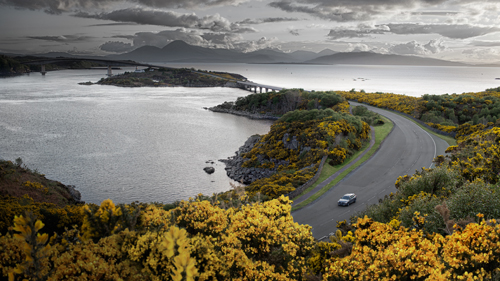
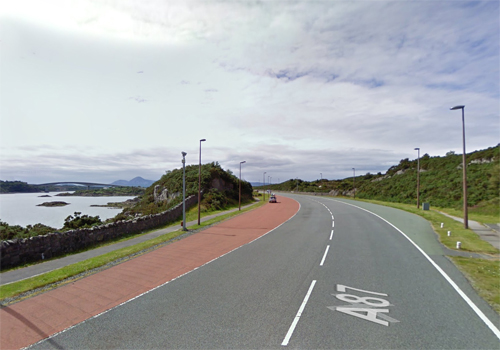
2016 - Volvo V90 Cross Country at A87 before the Skye Bridge between Kyle of Lochalsh and Kyleakin

2016 – Volvo V90 Cross Country at A87 before the Skye Bridge between Kyle of Lochalsh and Kyleakin near Skye in Scottland UK 🇬🇧.

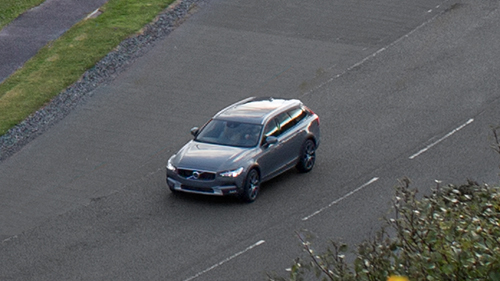
2016 - Volvo V90 Cross Country - Close-up

2016 – Volvo V90 Cross Country at A87 before the Skye Bridge between Kyle of Lochalsh and Kyleakin near Skye in Scottland UK 🇬🇧.

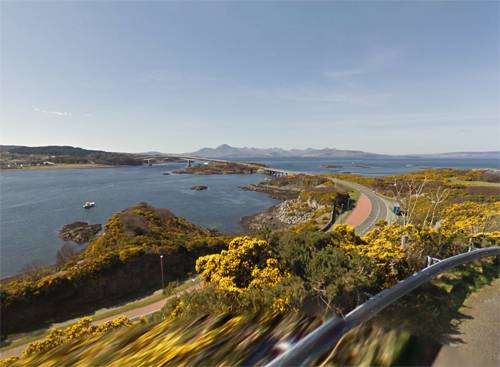
2016 - Skye Bridge at Kyle Of Lochalsh (Google Streetview)

2016 – Skye Bridge at Kyle Of Lochalsh, seen from Heathmount Place in Kyle (Google Streetview)

2016 - Skye Bridge at Kyle Of Lochalsh (Google Streetview)

2016 – Skye Bridge at Kyle Of Lochalsh, seen from A87 in Kyle (Google Streetview)

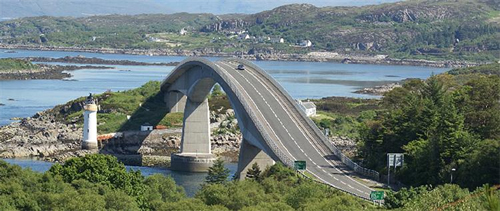
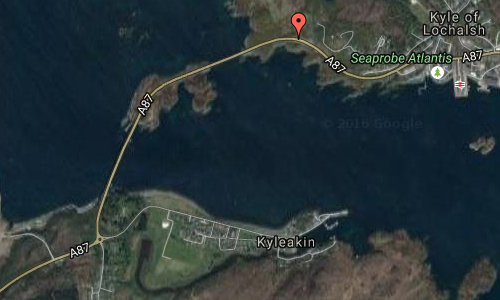
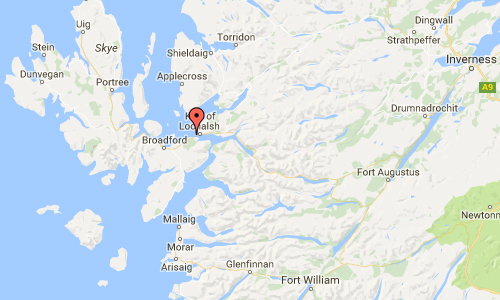
he Skye Bridge is a road bridge over Loch Alsh, Scotland, connecting the Isle of Skye to the island of Eilean Bàn. The name is also used for the whole Skye Crossing, which further connects Eilean Bàn to the mainland across the Carrich Viaduct. The crossing forms part of the A87.

Traditionally, the usual route from the mainland to Skye was the shortest crossing, with a length of around 500 metres, across the sound between the villages of Kyle of Lochalsh on the mainland and Kyleakin on the island’s east coast. A ferry service operated from around 1600, run by private operators and latterly by Caledonian MacBrayne.

Road and rail connections to Kyle of Lochalsh were constructed towards the end of the 19th century and various parties proposed building a bridge to the island. Although the engineering task was well within the capability of the age (the crossing is shorter and shallower than that bridged by the Forth Bridge), the island’s remoteness and small population meant that the cost could not be justified.

2016-skye-bridge

Increased prosperity in the islands and a healthy summertime tourist traffic led to ever increasing volumes of traffic queueing for the ferries. This brought renewed calls for the construction of a road bridge. In 1989 Conservative junior minister James Douglas-Hamilton announced a bidding round, requested tenders to construct a toll bridge. A variety of locations and designs were proposed, and the contract was awarded to Miller-Dywidag, a consortium composed of Scottish construction company Miller Construction, German engineering company DYWIDAG Systems International, and financial partner the Bank of America. The Miller-Dywidag proposal (designed in collaboration with civil engineering firm Arup) was for a single-span concrete arch, supported by two piers resting on caissons in the loch and using Eilean Bàn as a stepping-stone. The PFI plan was accepted, and received support from local MP Charles Kennedy and the local council in the full knowledge that it would be on a high-toll basis for a limited period. Although the bridge itself was built with PFI, the approach roads were the responsibility of the Scottish Office, which paid £15 million for the roads and associated improvements, and to cover the costs associated with decommissioning the ferry. Construction began in 1992 and the bridge was opened by Secretary of State for Scotland Michael Forsyth on 16 October 1995. Then the ferry service ceased, and the bridge and the Mallaig — Armadale ferry were the only year-round connections to the mainland.

The two caissons that the main span stands on were cast as hollow cylinders in the old Kishorn Dry Dock and floated to site where they were sunk onto the prepared loch bed. Kishorn Dock had been built for the oil industry, but only built the one rig – Ninian Central.

2016-skye-bridge-at-kyle-of-lochalsh-maps02

2016-skye-bridge-at-kyle-of-lochalsh-maps01

More information at en.wikipedia.org and /www.lochalsh.com.

Volvo Photography Locations

Double Sea Arch at Ardmore Point – UK 🇬🇧

November 21st, 2016

International Volvo Photo Locations Part 248
Click for Volvo Photography Locations Overview

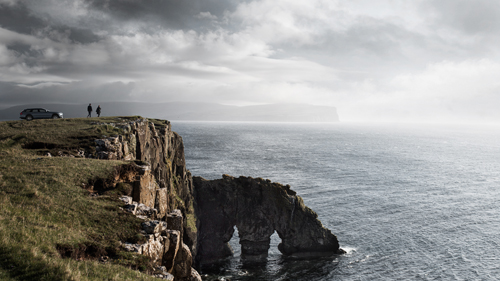
2016 - Volvo V90 Cross Country at Double Sea Arch at Ardmore Point on Skye in Scottland UK

2016 – Volvo V90 Cross Country at Double Sea Arch at Ardmore Point on Skye in Scottland UK 🇬🇧.

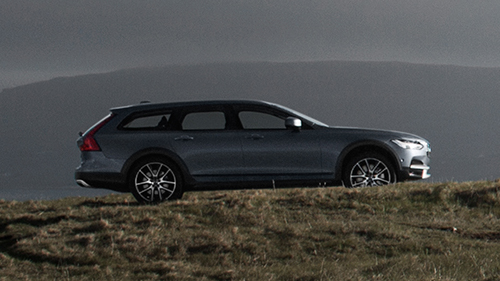
2016 - Volvo V90 Cross Country - Close-up

2016 – Volvo V90 Cross Country at Double Sea Arch at Ardmore Point on Skye in Scottland UK 🇬🇧.

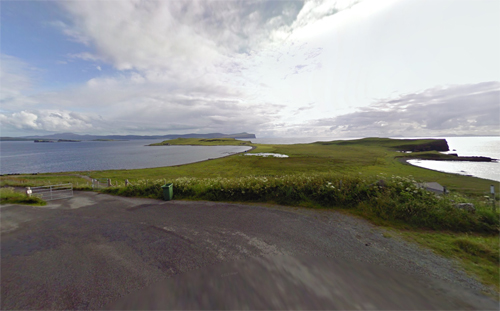
2016 - Double Sea Arch at Ardmore Point (Google Streetview)

2016 – Double Sea Arch at Ardmore Point (Google Streetview)

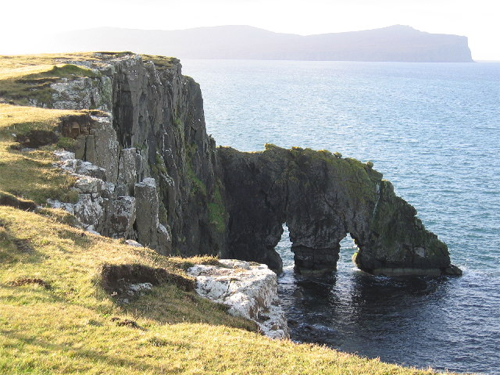
2016 - Double Sea Arch at Ardmore Point - Copyright John Allan

2016 – Double Sea Arch at Ardmore Point – Copyright John Allan

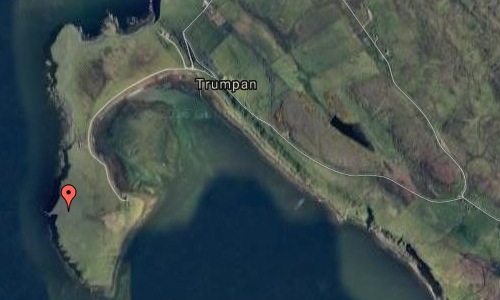
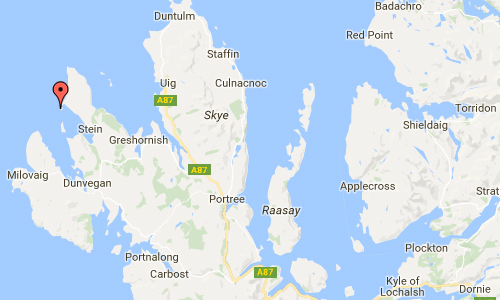
Double Sea Arch at Ardmore Point is located near Ardmore Bay in Waternish at the Island of Skye in Scotland, UK.

Waternish is the central of the three most prominent peninsulas to project north west into the Minch from the Isle of Skye. Its base can be thought of as the line between Loch Greshornish to the east and Loch Bay to the west or, to look at it another way, a spur of land up to four miles wide extending north from the main road between Dunvegan and Portree. It is an easily overlooked but fascinating area, offering a range of magnificent sea views.

Waternish or Bhatairnis/Vaternish is a peninsula approximately 12 km long on the island of Skye, Scotland, situated between Loch Dunvegan and Loch Snizort in the northwest of the island, and traditionally inhabited and owned by Clan MacLeod whose clan seat is at the nearby Dunvegan Castle. The current clan chief is Hugh Macleod of Macleod. It contains the hamlets of Stein and Lusta in Loch Bay to the south east, Halistra, Hallin and Trumpan further north and Gillen to the west, all of which are accessed from the A850 road by crossing the Fairy Bridge. The highest point is Ben Geary (284 m (932 ft)) and the most northerly is Waternish Point. The name Waternish is derived from the Norse vatnenes or “headland of the pond”.

The history of the peninsula is a long (and often bloody) one involving clan feuds, massacres, de-population during the Highland Clearances, and eventual re-vitalisation. Originally consisting of small crofting communities, Waternish now has a growing population and is home to various arts and crafts enterprises. Whilst the main industry on Waternish is tourism, there has also been a revival in recent years of crofting or small-scale agriculture. The local school is called Knockbreck. The school has struggled recently due to an ageing population which has resulted in only 4 students currently attending and the school has been scheduled for closing in summer 2015.[1] The local pub is the Stein Inn, which dates back to 1790 and is the oldest on Skye.

Trumpan was the site of the skirmish known as the Battle of the Spoiling Dyke and the churchyard is the burial ground of Rachel Chiesley, Lady Grange.

2016-double-sea-arch-at-ardmore-point-maps02

2016-double-sea-arch-at-ardmore-point-maps01

More information at en.wikipedia.org and http://www.visit-waternish.co.uk/.

Volvo Photography Locations

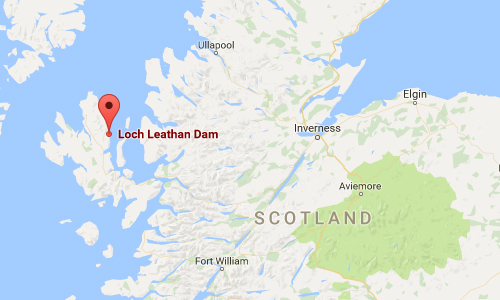
Loch Leathan Dam in Portee – UK 🇬🇧

November 21st, 2016

International Volvo Photo Locations Part 247
Click for Volvo Photography Locations Overview

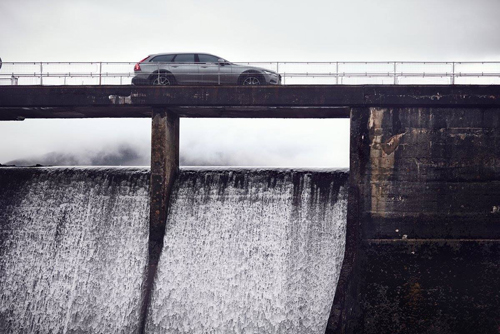
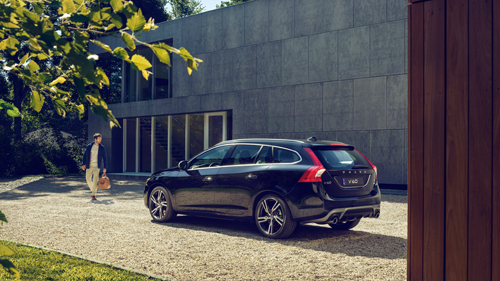
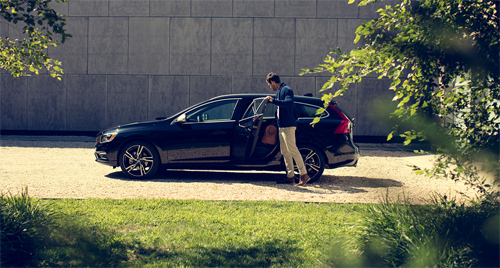
2016 - Volvo V90 Cross Country at Loch Leathann Dam in Portee Skye Scotland

2016 – Volvo V90 Cross Country at Loch Leathann Dam in Portee on Skye in Scotland, United Kingdom 🇬🇧.

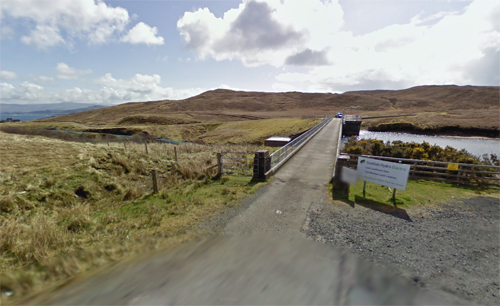
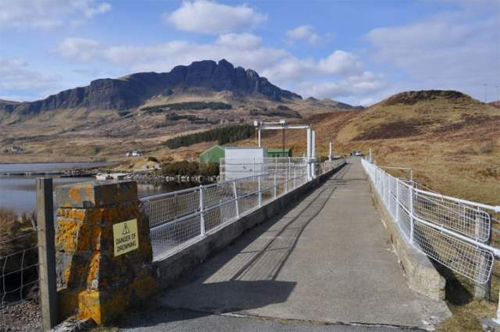
2016 - Loch Leathan Dam near Portee on Skye, UK (Google Streetview)

2016 – Loch Leathan Dam near Portee on Skye, UK (Google Streetview)

2016 - Loch Leathan Dam near Portee on Skye, UK (Google Streetview)

2016 – Loch Leathan Dam near Portee on Skye, UK (with The Storr mountain in the background)

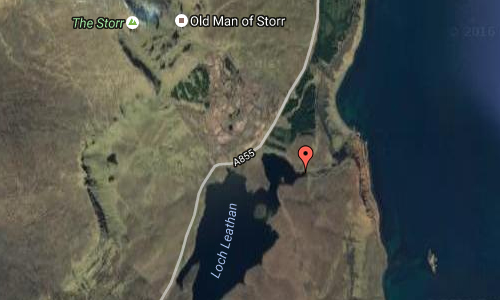
Loch Leathan is a lake in the UK. It is located in the Highland Council area and nationwide part of Scotland, in the northwestern part of the country, 800 km north west of London.

Loch Leathan is located 139 meters above sea level. It is located on the island of Skye. The highest point in the vicinity is The Storr, 719 meters above sea level, 2.9 km north of Loch Leathan. The area around Loch Leathan consists mainly of grasslands.

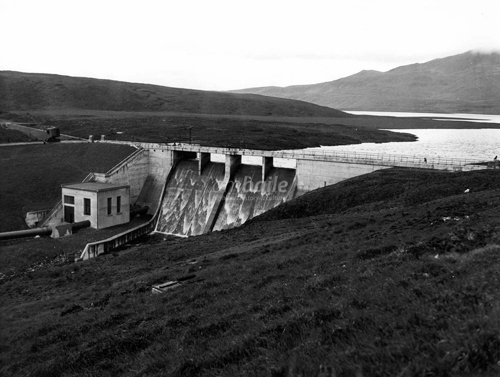
2016 - Loch Leathan Dam near Portee on Skye - UK

2016 – Loch Leathan Dam near Portee on Skye – UK

Tundra climate prevails in the region. The average annual temperature in the area is 4° C. The warmest month is August, when the average temperature is 8° C and the coldest is January, with 1° C.

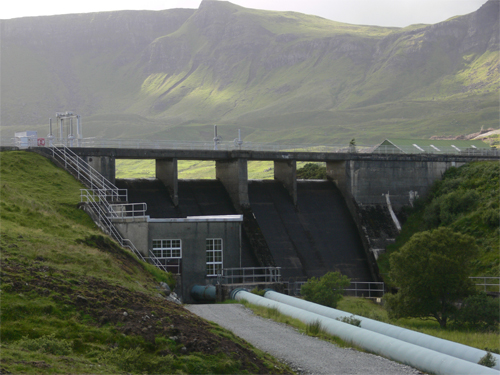
Storr Lochs Power Station was opened by the North of Scotland Hydro Electric Board (NoSHEB) in 1952. When it opened there were two No 1-megawatt machines which, at that time, supplied the whole of Skye. In 1956 a third No 1-megawatt machine was added. Water was taken from Loch Leathan, which was expanded and deepened by the building of a dam across the Bearreraig River. In later years, when rainfall was very low, a channel was dug between Loch Leathan and Loch Fada (to the S) so that water from there could be used when necessary.

2016 - Loch Leathan Dam near Portee on Skye, UK

2016 – Loch Leathan Dam near Portee on Skye, UK

The water exits Loch Leathan at Storr Lochs Dam via two pipelines which sharply descend to the power station below (NG55SE 14.1). A cable railway beside the pipelines is used to transport people and goods up and down the steep hill to the power station: a carriage, or bogey, is attached to a steel cable and driven from a winch house at the top of the hill. The bogey was built higher at the N end so as to be level when going down the hill. There are 647 steps built into the hillside beside the track.

Bearreraig Cottage (NG55SE 14.2), on the main Portree-Staffin road was built for the power station attendant when the power station was opened. It was the winning design of a WRI (Women’s Rural Institute) competition. A second house (NG55SE 14.3) was built beside the winch-house in the 1960s for a second power station attendant.

The access track leading from the A855 Portree-Staffin road to the power station was built by NoSHEB in the late 1940s-early 1950s to enable construction of the dam and other structures.

2016-loch-leathan-dam-maps02

2016-loch-leathan-dam-maps01

More information at sv.wikipedia.org and canmore.org.uk.

Volvo Photography Locations

Rogers Dr in Cold Spring Harbor – USA 🇺🇸

November 19th, 2016

International Volvo Photo Locations Part 246
Click for Volvo Photography Locations Overview
bookmark www.volvophotolocations.com today!

2016 - Volvo V60 at Rogers Dr in Cold Spring Harbor NY USA

2016 – Volvo V60 at Rogers Dr in Cold Spring Harbor NY, USA 🇺🇸. (Photography by Marlyne & Patrick Curtet)

2016 - Volvo V60 at Rogers Dr in Cold Spring Harbor NY USA

2016 – Volvo V60 at Rogers Dr in Cold Spring Harbor NY, USA 🇺🇸.

2016 - Volvo V60 at Rogers Dr in Cold Spring Harbor NY USA

2016 – Volvo V60 at Rogers Dr in Cold Spring Harbor NY, USA 🇺🇸.

2016 - Volvo V60 R-Design

2016 – Volvo V60 R-Design at Rogers Dr in Cold Spring Harbor NY, USA 🇺🇸.

2016 - Volvo V60 R-Design

2016 – Volvo V60 R-Design at Rogers Dr in Cold Spring Harbor NY, USA 🇺🇸.

2016 - Volvo V60 R-Design

2016 – Volvo V60 R-Design at Rogers Dr in Cold Spring Harbor NY, USA 🇺🇸.

2016 - Volvo V60 R-Design

2016 – Volvo V60 R-Design at Rogers Dr in Cold Spring Harbor NY, USA 🇺🇸.

2016 - Volvo S60 Dynamic at Rogers Dr in Cold Spring Harbor NY USA

2016 – Volvo S60 Dynamic at Rogers Dr in Cold Spring Harbor NY USA 🇺🇸.

2016 - Volvo S60 Dynamic at Rogers Dr in Cold Spring Harbor NY USA

2016 – Volvo S60 Dynamic at Rogers Dr in Cold Spring Harbor NY USA

2016 - Volvo S60 at Rogers Dr in Cold Spring Harbor NY USA

2016 – Volvo S60 at Rogers Dr in Cold Spring Harbor NY USA 🇺🇸.

2016 - Volvo S60 at Rogers Dr in Cold Spring Harbor NY USA

2016 – Volvo S60 at Rogers Dr in Cold Spring Harbor NY USA 🇺🇸.

2016 - Volvo S60

2016 – Volvo S60 at Rogers Dr in Cold Spring Harbor NY USA 🇺🇸.

2016 - Volvo XC60 at Rogers Dr in Cold Spring Harbor NY USA

2016 – Volvo XC60 at Rogers Dr in Cold Spring Harbor NY USA

2016 - Volvo XC60 at Rogers Dr in Cold Spring Harbor NY USA

2016 – Volvo XC60 at Rogers Dr in Cold Spring Harbor NY USA 🇺🇸.

2016 - Volvo XC60

2016 – Volvo XC60 at Rogers Dr in Cold Spring Harbor NY USA 🇺🇸.

2016 - Volvo XC60

2016 – Volvo XC60 at Rogers Dr in Cold Spring Harbor NY USA 🇺🇸.

2016 - Cold Spring Harbor

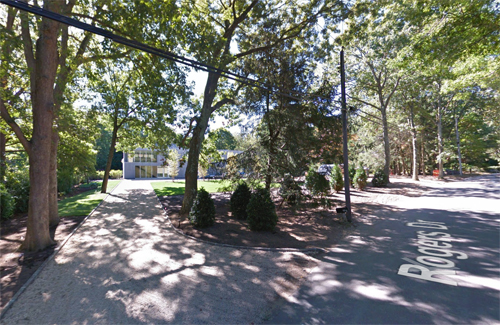
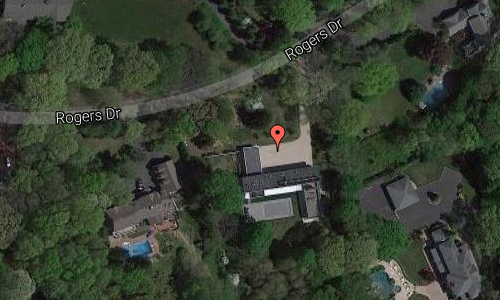
2016 – Rogers Dr in Cold Spring Harbor near Huntington on Long Island, NY, USA 🇺🇸.

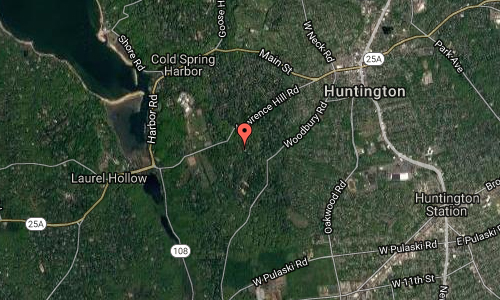
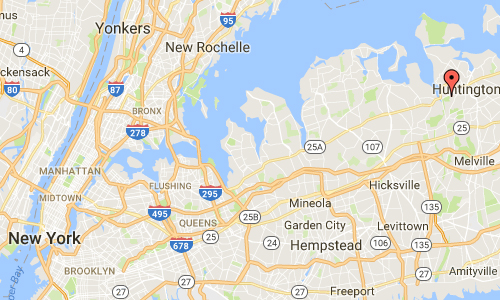
Cold Spring Harbor is a hamlet and census-designated place (CDP) in the town of Huntington, Suffolk County, New York, on the North Shore of Long Island.

Great photography for Volvo Cars USA by Marlyne & Patrick Curtet!

2016 - Cold Spring Harbor

2016 – Cold Spring Harbor

Cold Spring Harbor was named after the naturally cold freshwater springs that flow in the area. Its economy mainly tied to milling and port activities, it rose in prominence as a whaling community in the mid-nineteenth century. After the decline of whaling in the 1860s, it became a resort town with several hotels. In the 20th century it became known as the site of Cold Spring Harbor Laboratory, although the laboratory itself is located in the adjacent village of Laurel Hollow in Nassau County which was called Cold Spring, before incorporation.

Today it is primarily a bedroom community of New York City, with a small central business area running along Route 25A, and is home to many educational and cultural organizations: the Cold Spring Harbor Whaling Museum, the Cold Spring Harbor Fish Hatchery and Aquarium, Dolan DNA Learning Center, the Uplands Farm Sanctuary (home of The Nature Conservancy’s Long Island chapter), and a gallery run by the Society for the Preservation of Long Island Antiquities.

2016 - Cold Spring Harbor

2016 – Cold Spring Harbor

Notable people from Cold Spring Harbor are John Lennon, he bought a sprawling mansion overlooking Cold Spring Harbor in November 1979 and was known to spend a lot of time sailing in the harbor, Lindsay Lohan spent a portion of her childhood and teen years in Cold Spring Harbor. She attended Cold Spring Harbor High School until her sophomore year of high school, James Watson, Nobel Prize winner, co-discoverer of the structure of DNA, and former Chancellor of the Cold Spring Harbor Laboratory and Meg Whitman, former CEO of Hewlett-Packard and ebay, grew up in Lloyd Harbor and attended Cold Spring Harbor High School, graduating in 1973.

2016 - Cold Spring Harbor

2016 – Cold Spring Harbor

The Town of Huntington is one of ten towns in Suffolk County, New York, United States. Founded in 1653,[2] it is located on the north shore of Long Island in northwestern Suffolk County, with Long Island Sound to its north and Nassau County adjacent to the west. Huntington is part of the New York metropolitan area.

Huntington is the town in which the American sitcom Growing Pains supposedly takes place. However, Robin Hood Lane, the street address of the Seaver family’s home, is fictional. The show’s creator, Neal Marlens, grew up in Huntington, Oheka Castle in Huntington was featured in the music video for Taylor Swift’s 2014 single “Blank Space” and the Jon Megaris hair salon in Huntington was used as a filming location for the 2015 film Sisters starring Tina Fey and Amy Poehler.

Great photography for Volvo Cars USA by Marlyne & Patrick Curtet!

2016-cold-spring-harbor-maps03

2016-cold-spring-harbor-maps02

2016-cold-spring-harbor-maps01

More information at en.wikipedia.org and www.coldspringharborvillage.org.

Volvo Photography Locations
bookmark www.volvophotolocations.com today!

Underhill Residence in Locust Valley – USA 🇺🇸

November 19th, 2016

International Volvo Photo Locations Part 245
Click for Volvo Photography Locations Overview
bookmark www.volvophotolocations.com today!

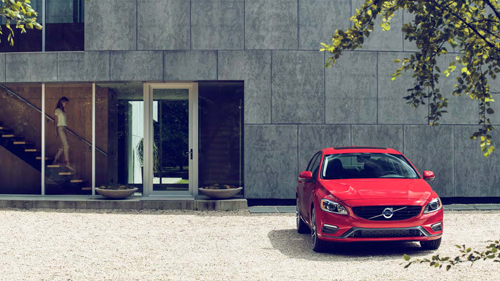
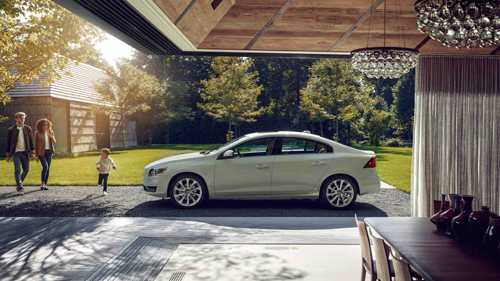
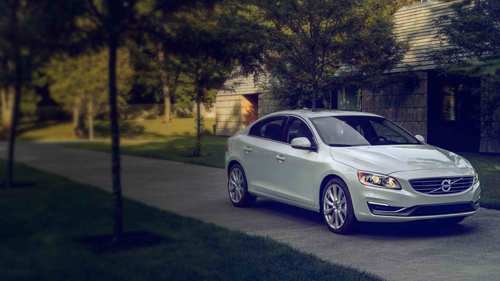
2016 - Volvo S60 Inscription at Underhill Residence in Matinecock NY, USA

2016 – Volvo S60 Inscription at Underhill Residence in Locust Valley NY, USA 🇺🇸.

2016 - Volvo S60 Inscription at Underhill Residence in Matinecock NY, USA

2016 – Volvo S60 Inscription at Underhill Residence in Locust Valley NY, USA 🇺🇸.

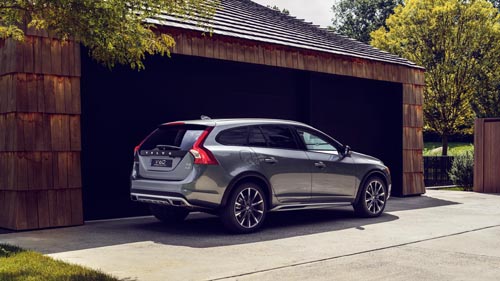
2016 - Volvo V60 Cross Country at Underhill Residence in Locust Valley, USA

2016 – Volvo V60 Cross Country at Underhill Residence in Locust Valley, USA 🇺🇸.

2016 - Volvo V60 Cross Country at Underhill Residence in Locust Valley, USA

2016 – Volvo V60 Cross Country at Underhill Residence in Locust Valley, USA 🇺🇸.

2016 - Volvo V60 Cross Country at Underhill Residence in Locust Valley, USA

2016 – Volvo V60 Cross Country at Underhill Residence in Locust Valley, USA 🇺🇸. (Photography by Marlyne & Patrick Curtet)

2016 - Volvo XC60 Inscription at Underhill Residence in Locust Valley, USA (Photography by Marlyne & Patrick Curtet)

2016 – Volvo XC60 Inscription at Underhill Residence in Locust Valley, USA 🇺🇸. (Photography by Marlyne & Patrick Curtet)

2016 – Volvo XC60 Inscription at Underhill Residence in Locust Valley, USA 🇺🇸.

2016 – Volvo XC60 Inscription at Underhill Residence in Locust Valley USA 🇺🇸.

2016 – Volvo XC60 Inscription at Underhill Residence in Locust Valley USA 🇺🇸.

2016 – Volvo XC60 Inscription at Underhill Residence in Locust Valley USA 🇺🇸.

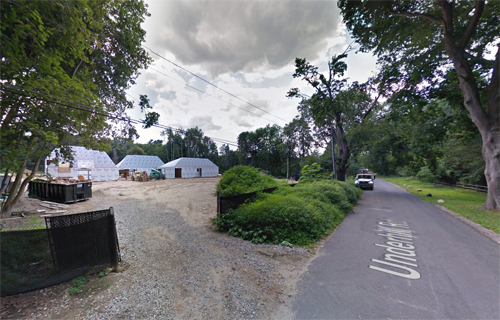
2013 - Underhill Residence in Locust Valley, Long Island, NY, USA (Google Streetview)

2013 – Underhill Residence in Locust Valley, Long Island, NY, USA (Google Streetview)

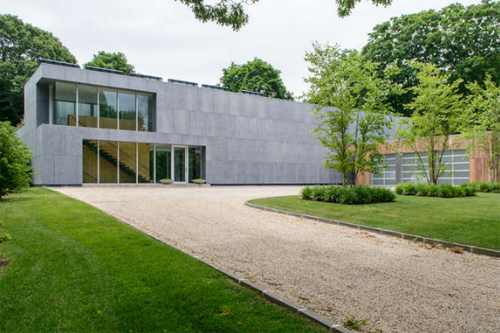
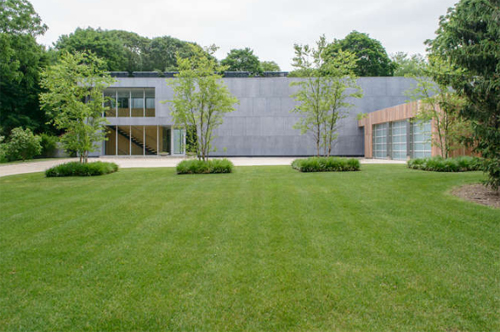
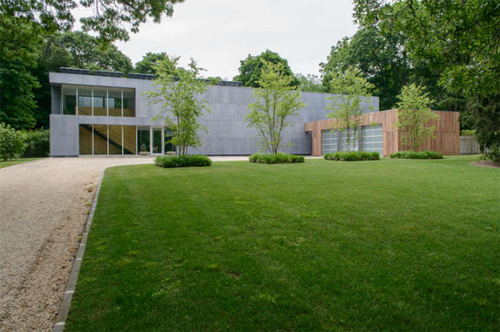
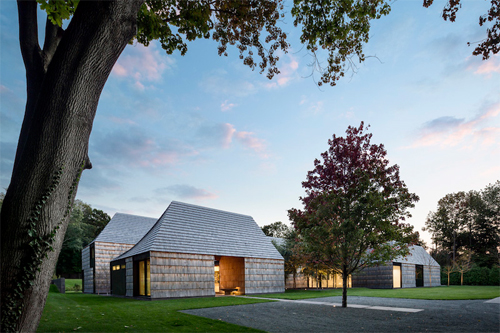
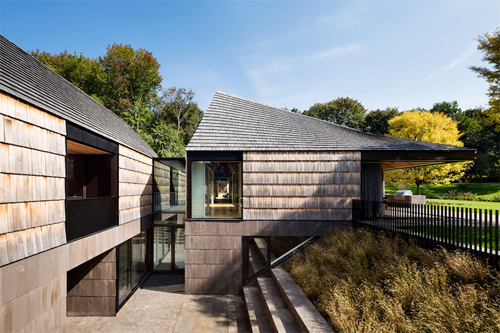
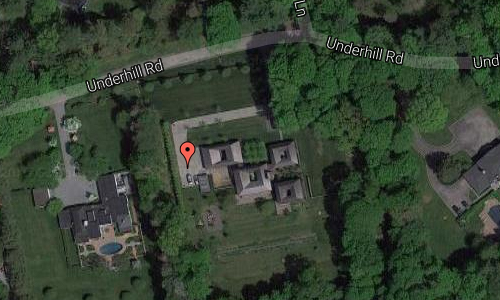
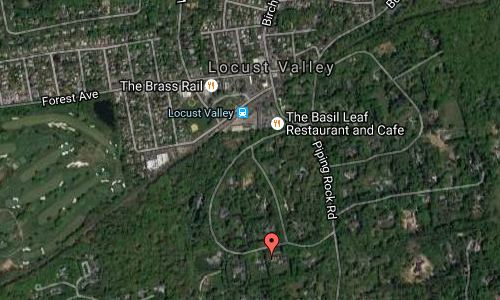
Underhill Residence, located in the Matinecock NY, is an amazing house complex designed by Bates Masi Architects.

With an atrium patio and many open terrace areas integrating with the indoors this house offers a versatile approach for the architecture and interior design. The interesting “orient inspired” roof shapes and plank like cladding gives the architecture its unique finish while warm and timeless wood takes over in the ceiling, flooring and furniture. Large windows open up the view around the house environment thought thanks to the house shape you still can enjoy a private atmosphere.

2016-underhill-residence-by-bates-masi-architects-01

A great overall where each room and space has their own functions and characteristics.

2016-underhill-residence-by-bates-masi-architects-02

Socially and professionally a couple desired to live in an urban environment. However, living in the city didn’t afford the lifestyle they wanted for their children as they approached school age. To compromise between remaining close to the city while raising their family, they relocated to the suburbs. Their goal was to create a strong sense of place in an environment with close neighbors on all sides of their property. The history of the community they chose, an early Quaker settlement, inspired the solution. Based on the Quaker tenants of simplicity, humility, and inner focus, the house is broken into a series of modest gabled structures, each one focused inward on its own garden courtyard instead of out to the surrounding neighbors.

2016-underhill-residence-by-bates-masi-architects-03

Locust Valley is a hamlet and census-designated place (CDP) located in Nassau County, New York. Locust Valley is an unincorporated area of the Town of Oyster Bay. As of the United States 2010 Census, the CDP population was 3,406. The area is commonly identified with its W.A.S.P and “White Shoe” culture surrounding a group of polo and golf clubs, primarily the secretive Piping Rock Club, as well as the equally prestigious Creek Club, in the neighboring incorporated villages of Matinecock and Lattingtown, respectively. The town is also known for Locust Valley lockjaw.

Figures ranging from the Duke of Windsor to John Lennon to Franklin D. Roosevelt have spent considerable time in Locust Valley.

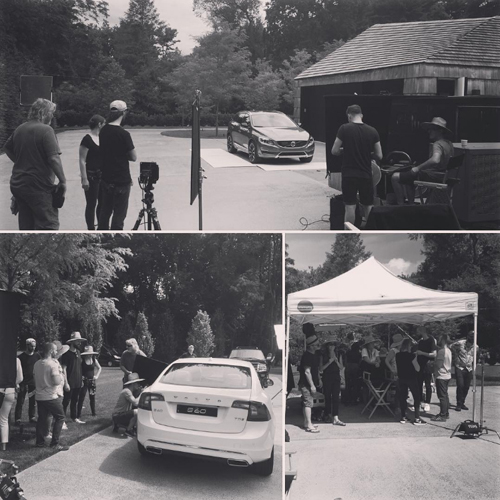
The making of... (2016-08-02)

The making of… (Instagram – marlynecurtet)

Great photography for Volvo Cars USA by Marlyne & Patrick Curtet!

2016-underhill-residence-locust-valley-maps03

2016-underhill-residence-locust-valley-maps02

2016-underhill-residence-locust-valley-maps01

More information at en.wikipedia.org, batesmasi.com and www.hallofhomes.com.

Volvo Photography Locations
bookmark www.volvophotolocations.com today!

Atrani Beach in Atrani on Amalfi Coast – I 🇮🇹

November 19th, 2016

International Volvo Photo Locations Part 244
Click for Volvo Photography Locations Overview

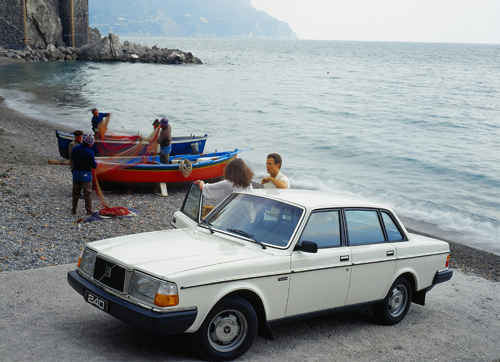
1984 - Volvo 240 GL at Atrani Beach in Atrani on Amalfi Coast, Italy

1984 – Volvo 240 GL on Atrani Beach in Atrani on Amalfi Coast, Italy 🇮🇹.

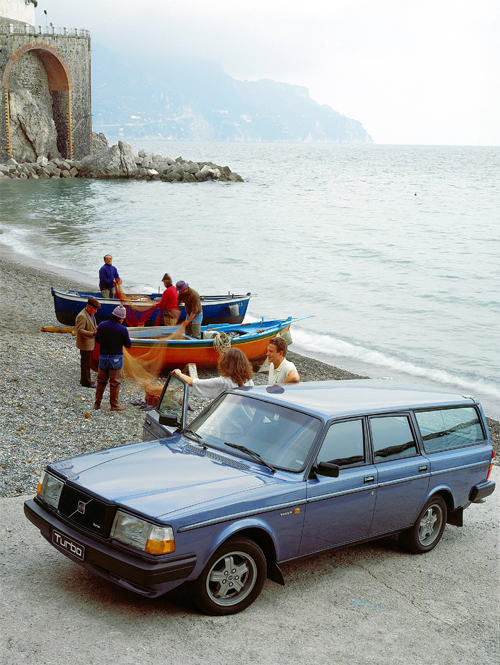
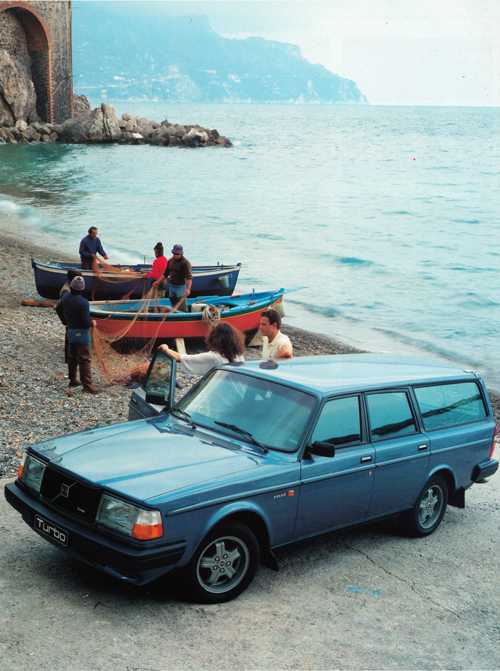
1984 - Volvo 240 Turbo at Atrani Beach in Atrani on Amalfi Coast, Italy

1984 – Volvo 240 Turbo on Atrani Beach in Atrani on Amalfi Coast, Italy 🇮🇹.

1984 – Volvo 240 Turbo on Atrani Beach in Atrani on Amalfi Coast, Italy 🇮🇹.

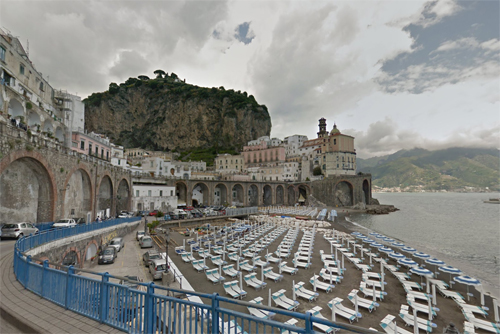
2016 - Atrani beach in Atrani on the Amalfi coast in Italy (Google Streetview)

2016 – Atrani beach in Atrani on the Amalfi coast in Italy (Google Streetview)

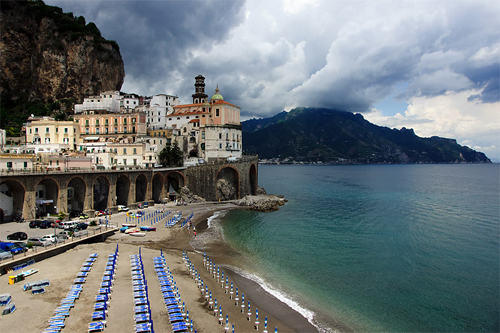
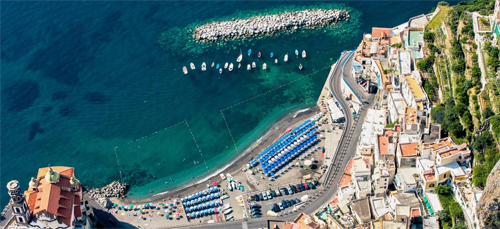
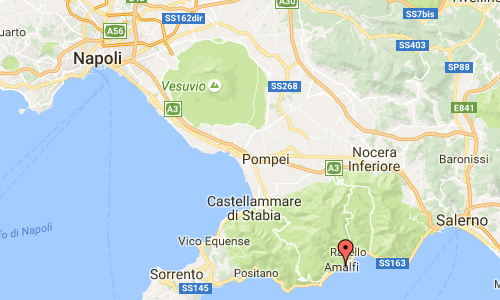
Atrani beach is a beach in Atrani on the Amalfi Coast in south Italy.
Atrani beach is a popular beach amongst families with small children. A day on the beach belonging to the smallest town in the whole of Italy is also an excellent opportunity to visit the historic center of Atrani, which is one of the most fascinating on the whole of the Amalfi Coast.

2016-atrani-beach-on-amalfi-coast-i-02

The beach is located directly opposite the town and is divided into two parts by the estuary of the Dragone River (often completely dry in the summer). Only part of the sandy coastline is free and the majority is occupied by bathing establishments which charge for the use of sun beds and beach umbrellas.

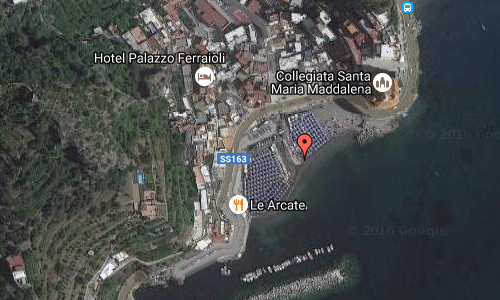
How to get to Atrani beach: Just before Amalfi (from Vietri) on the main SS163, there is a small side road leading to Atrani. During summer weekends vehicular access to the town is granted to residents only (a lowered bar signals that access is closed). By car: the public car park close to the beach has a capacity for about 30 vehicles and is invariably full. The only alternative option is to leave your car in nearby Amalfi, linked to Atrani by way of a pleasant coastal path. By public transport’: Sita bus Salerno – Amalfi line

2016-atrani-beach-on-amalfi-coast-i

Atrani is a city and comune on the Amalfi Coast in the province of Salerno in the Campania region of south-western Italy. It is located to the east of Amalfi, several minutes drive down the coast.

Atrani has a surface area 0.12 km2 making it the smallest community in all of Italy.

The town is located between the Civita Hill and Aureo Hill. Atrani is along the valley of the river Dragone, named for a legend saying there once was a terrible dragon that would breathe fire and would hide himself there.

Because of the beauty of its alley, gardens, squares, buildings, characteristic “scalinatelle” (stairs) and for its overall atmosphere, Atrani has been used as a set for film commercials. In 2012 it was used as the backdrop for a Fiat commercial. Though it is part of the Amalfi Coast, it is the only town along the coast to preserve intact its antique, traditional characteristics.

The initial houses face the beach directly. They are grouped around the square and move around the church of San Salvatore and the marble fountain before going up towards the valley and climbing along the rocky mountain and crossing the gardens and the lemon fields. Atrani is isolated from automobile traffic because it is protected by its antique houses with flowered balconies. The central square of Atrani leads directly to the beach and the sea by crossing an antique passageway created to save boats from sea storms.

2016-atrani-beach-on-amalfi-coast-maps02

2016-atrani-beach-on-amalfi-coast-maps01

More information at en.wikipedia.org and www.positano.com.

Volvo Photography Locations

North Avenue Beach in Chicago – USA 🇺🇸

November 19th, 2016

International Volvo Photo Locations Part 243
Click for Volvo Photography Locations Overview

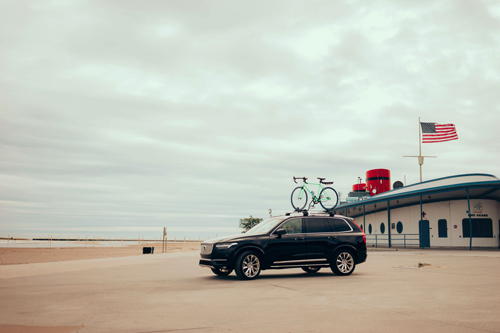
2016 - Volvo XC90 at North Avenue Beach in Chicago, USA

2016 – Volvo XC90 at North Avenue Beach in Chicago, USA

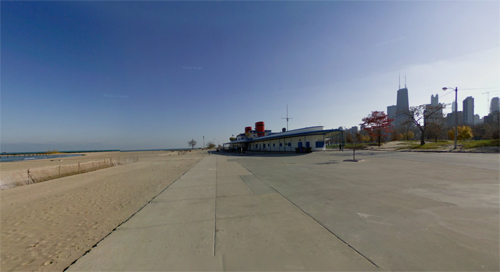
2016 - North Avenue Beach in Chicago - USA (Google Streetview)

2016 – Castaways on 1603 N Lake Shore Dr at North Avenue Beach in Chicago, USA (Google Streetview)

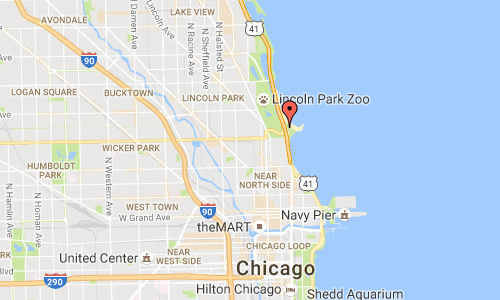
North Avenue Beach is located in Chicago. Here you will find Castaways on 1603 N Lake Shore Dr.

The North Avenue Beach, located at 1600 north, is considered by many to be Chicago’s premier beach. It has the largest lifeguard staff and is home to the most developed beachhouse. Technically running from North Avenue to Diversey Harbor in the Lincoln Park neighborhood, North Avenue Beach is characterized by its piers which hold the sand in place and create a scalloped shoreline, terminating in a Cape Cod-like hook.

The beach hosts international volleyball tournaments as well as millions of sun worshippers every year. Chicago Park District lines the beach with poles for individuals and leagues to hang volleyball nets. These nets and this portion of the lakefront bike/running/blading path attract large numbers of people on weekends and weeknights. North Avenue is also center stage for the Chicago Air & Water Show, which draws over a million people a day from Ohio to Diversey along the lakefront. North Avenue Beach is the site of the annual AVP Chicago Open.

2016-north-avenue-beach-in-chicago-usa

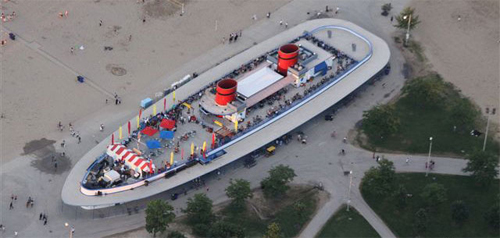
The beach house resembles an ocean liner and contains bike and sports equipment rental, a bar and restaurant (Castaways), concession stand, a lifeguard station, and restrooms.

2016-north-avenue-beach-in-chicago-usa-maps02

2016-north-avenue-beach-in-chicago-usa-maps01

More information at en.wikipedia.org and www.castawayschicago.com.

Volvo Photography Locations