home

[ Content | Sidebar ]

Pinen in Roslev with Sallingsundbroen – DK 🇩🇰

October 4th, 2021

International Volvo Photo Locations Part 470
Historic Volvo Photography Locations Overview
bookmark www.volvophotolocations.com today!

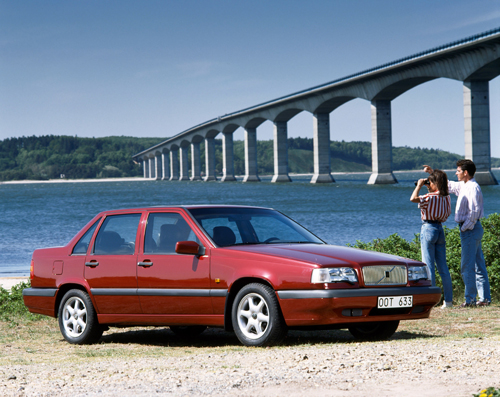
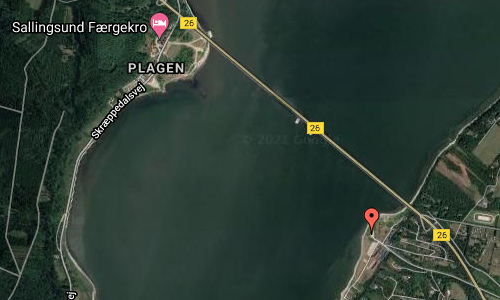
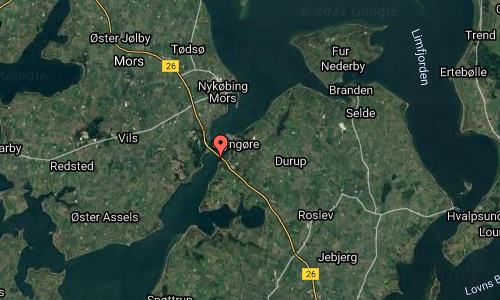
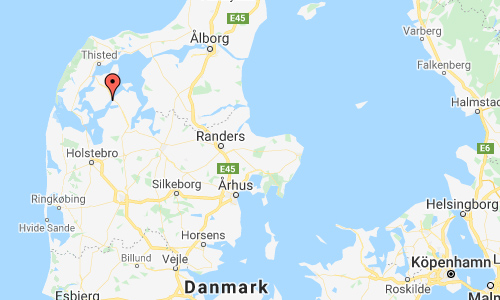
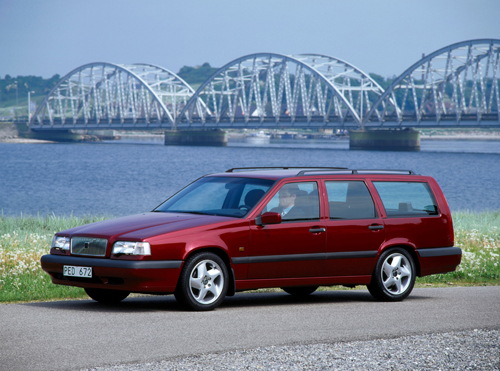
1993 – Volvo 850 GLT at Pinen in Roslev near Sallingsund Bridge or Sallingsundbroen, a bridge that crosses Salling Sund between the island of Mors and the Salling peninsula on the mainland (Jylland or Jutland) in Denmark 🇩🇰. Great photography for Volvo Cars by Thomas Dirk Heere!📸👍

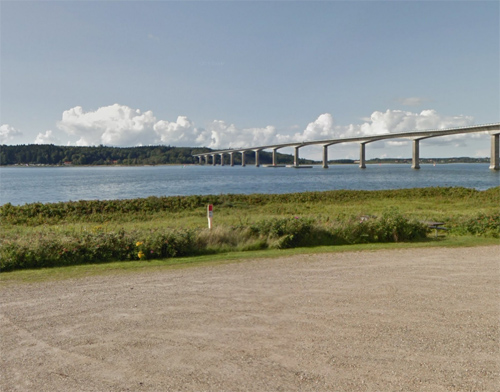
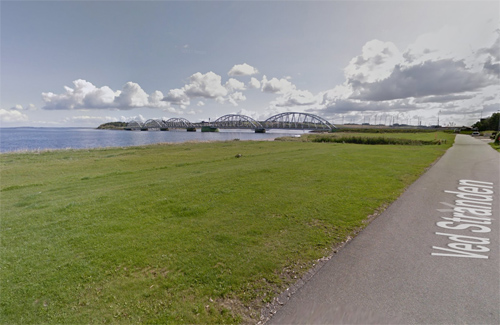
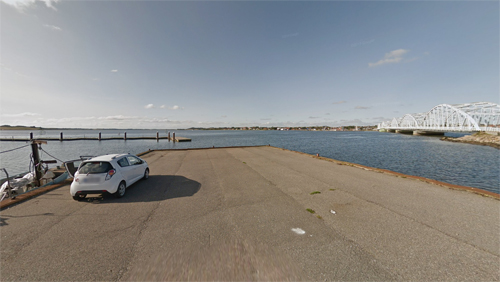
2021 – Pinen in Roslev near Sallingsund Bridge or Sallingsundbroen in Danmark (Google Streetview)

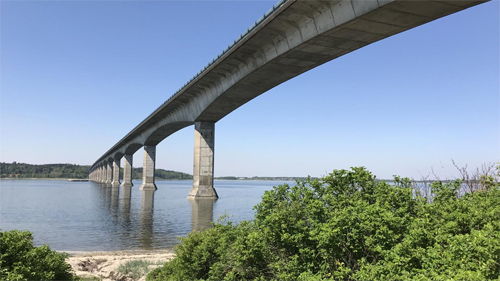
Sallingsundbroen or Sallingsund Bridge is a bridge that crosses Salling Sund between the island of Mors and the Salling peninsula on the mainland (Jylland (Jutland)) in Denmark. The bridge is 1717 metres long, the longest span is 93 metres, and the maximum clearance to the sea is 26 metres.

The building of Sallingsund Bridge started in 1973, and it was opened by Queen Margrethe II on 30 May 1978. Before the bridge was built, people and cars were taken across the sound by the ferries Pinen (“Pain”) and Plagen (“Bother”). In 1976 a million passengers and a half million cars were ferried across the sound.

The bridge is pictured on the Danish 50-krone banknote since 2009.

More information at da.wikipedia.org and vejdirektoratet.dk.

Volvo Photo Locations

Ved Stranden in Vilsund Vest with Vilsundbroen – DK 🇩🇰

October 4th, 2021

International Volvo Photo Locations Part 469
Historic Volvo Photography Locations Overview
bookmark www.volvophotolocations.com today!

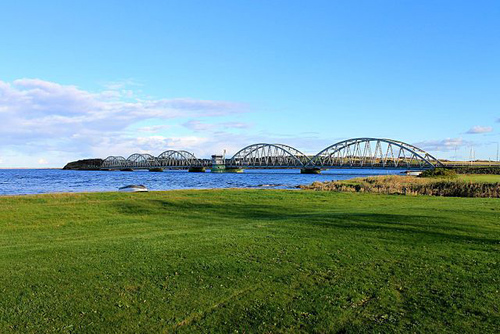
1993 – Volvo 850 Turbo on Ved Stranden in Vilsund Vest with great view on Vilsundbroen between Vilsund Vest and Vilsund øst in Denmark 🇩🇰. Great photography for Volvo Cars by Thomas Dirk Heere!📸👍

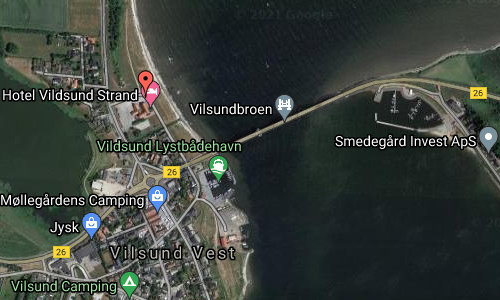
2021 – Ved Stranden near Hotel Vildsund Strand in Vilsund Vest in Thisted, Denmark (Google Streetview)

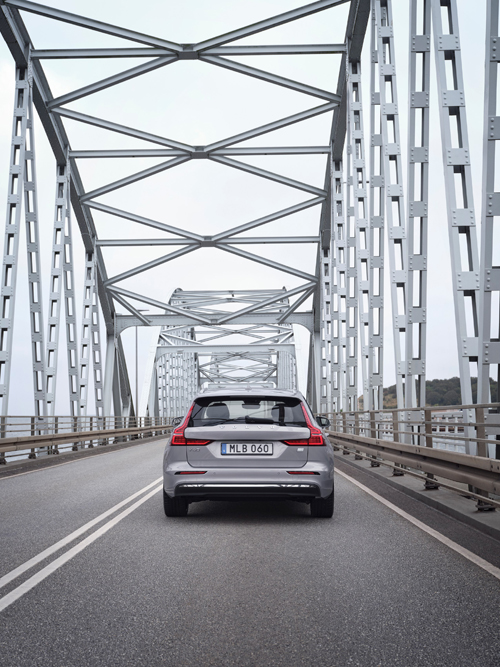
2022 – Volvo V60 Recharge T8 at Vilsundbroen on Vildsundvej in Thisted, Denmark 🇩🇰.

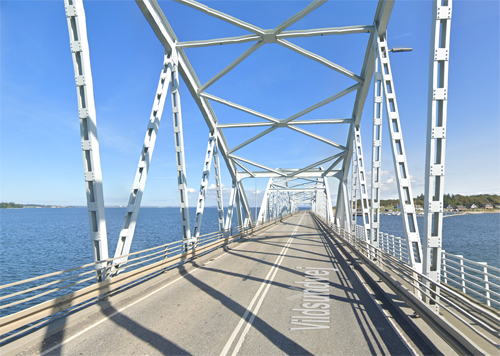
2022 – Vilsundbroen on Vildsundvej in Thisted, Denmark (Google Streetview)

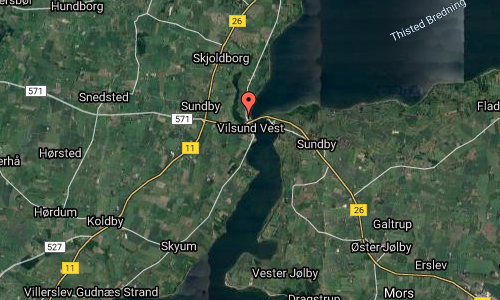
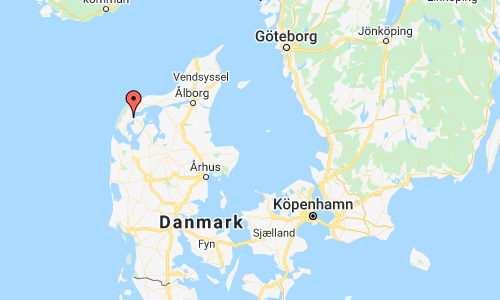
Vilsundbroen or Vilsund Bridge is a bascule arch bridge that crosses Vilsund between Mors and Thy in northwestern Jutland, Denmark. The bridge is 382 metres long, and the longest span is 30 metres.

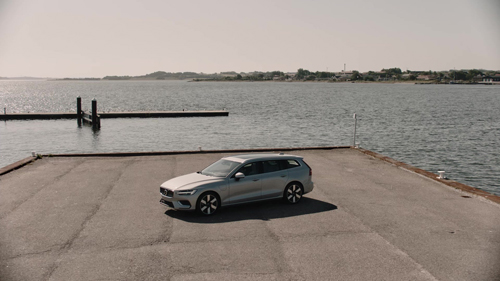
2022 – Volvo V60 Recharge T8 at Sundby Mors Havn on Sundbyvej in Vilsund Ost, Denmark 🇩🇰.

2022 – Volvo V60 Recharge T8 at Sundby Mors Havn on Sundbyvej in Vilsund Ost, Denmark 🇩🇰.

2022 – Sundby Mors Havn on Sundbyvej in Vilsund Ost, Denmark (Google Streetview).

(Photo by Otto Kristensen from Vildsund, Danmark)

Vilsund Bridge was designed by Anker Engelund. Construction started in 1937, and the bridge was opened on 16 July 1939.

More information at da.wikipedia.org and vildsundstrand.dk.

Volvo Photo Locations

Skibo Castle in Dornoch – UK 🇬🇧

October 4th, 2021

International Volvo Photo Locations Part 468

Historic Volvo Photography Locations Overview
bookmark www.volvophotolocations.com today!

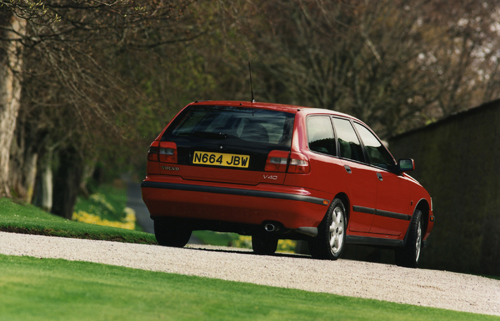
1996 – Volvo V40 near Skibo Castle in Dornoch in the Highland county of Sutherland Scotland, United Kingdom 🇬🇧.
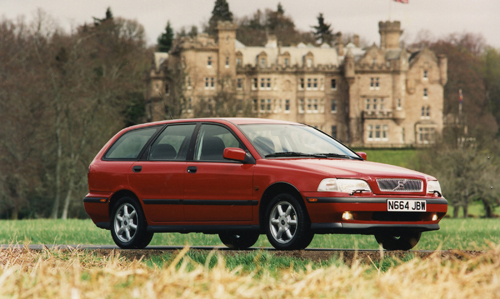
1996 – Volvo V40 near Skibo Castle in Dornoch in the Highland county of Sutherland Scotland, United Kingdom 🇬🇧.
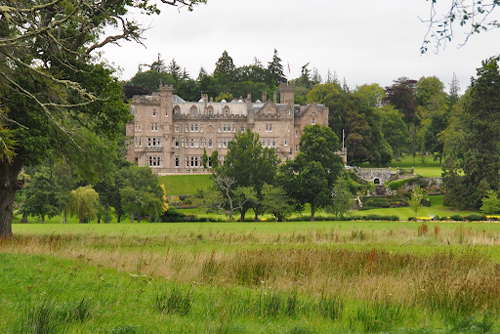
2021 – Skibo Castle in Scotland, UK.

Skibo Castle is located to the west of Dornoch in the Highland county of Sutherland, Scotland overlooking the Dornoch Firth. Although largely of the 19th century and early 20th century, when it was the home of industrialist Andrew Carnegie, its origins go back much earlier.

It is now operated as The Carnegie Club, a members-only residential club, offering members and their guests accommodation in both the castle and estate lodges, a private links golf course and a range of activities including clay pigeon shooting, tennis and horse riding.

The grounds include Lake Louise, a very small artificial lake, and one of only a few bodies of water in Scotland known as lakes. The estate is listed on the Inventory of Gardens and Designed Landscapes in Scotland, the list of nationally significant designed landscapes.

The first record of Skibo Castle is a charter from 1211. From its early history, the castle was a residence of the Bishops of Caithness. Skibo Castle remained the residence of subsequent bishops until 1545, when the estate was, as a tactical measure by the church, given to John Gray in order to reinforce its alliance with a powerful family as the threat of a Protestant uprising spread towards the north.

In 1745, Robert Gray surrendered the estate. It was later bought by a relative who built a modern house before 1760. Its ownership changed frequently until 1872, when it was bought by Evan Charles Sutherland-Walker, who extended the house and improved the grounds. However, the condition of the building had declined by 1897, when wealthy industrialist Andrew Carnegie took a one-year lease, with an option to buy. In 1898 he exercised that option for £85,000. However its condition had declined so much by this time that a further £2 million was spent on improvements, including an increase in area from 1,500 m2 to over 5,600 m2, plus the creation of Loch Ospisdale, an indoor swimming pavilion and a 9-hole golf course. Carnegie employed Alexander Ross of Inverness to carry out major upgrading works including full electrical services served by a private power station.

Skibo stayed with the Carnegie family until 1982. It was later purchased by businessman Peter de Savary and used as the foundation of a private members club, The Carnegie Club. Establishment of the club required restoration of the castle to recreate the luxury of an Edwardian sporting estate. De Savary sold the club to Ellis Short in 2003. Aware of the historic significance of the category-A listed castle and its contents, the Club have undertaken a programme of conservation over the last decade with the aim of preserving as much as possible of the building whilst improving the existing facilities on the estate. This includes the redevelopment of the golf course, a sympathetic restoration of Carnegie’s magnificent swimming pool, ongoing restoration of the Mackenzie and Moncur glasshouses and the refurbishment of all bedrooms in the castle and lodges.

More information at carnegieclub.co.uk and en.wikipedia.org.

Volvo Photo Locations

Rumwood Court on Sutton Road in Maidstone – UK 🇬🇧

October 3rd, 2021

International Volvo Photo Locations Part 467
Historic Volvo Photography Locations Overview
bookmark www.volvophotolocations.com today!

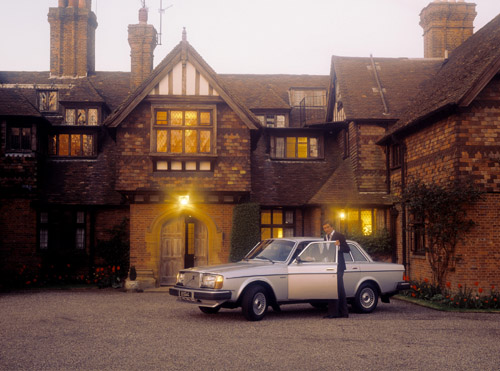
1980 - Volvo 264 GLE

1980 – Volvo 264 GLE at Rumwood Court on Sutton Road in Langley near Maidstone, United Kingdom 🇬🇧.

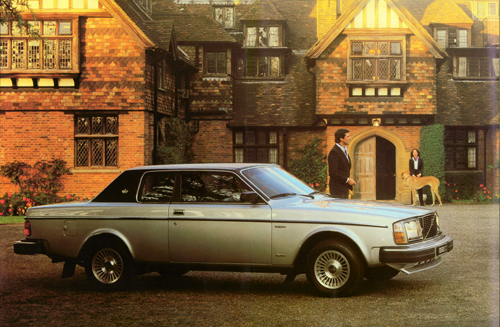
1980 – Volvo 262 C at Rumwood Court on Sutton Road in Langley near Maidstone, United Kingdom 🇬🇧.

1980 - Volvo 264 GLE somewhere in Scotland

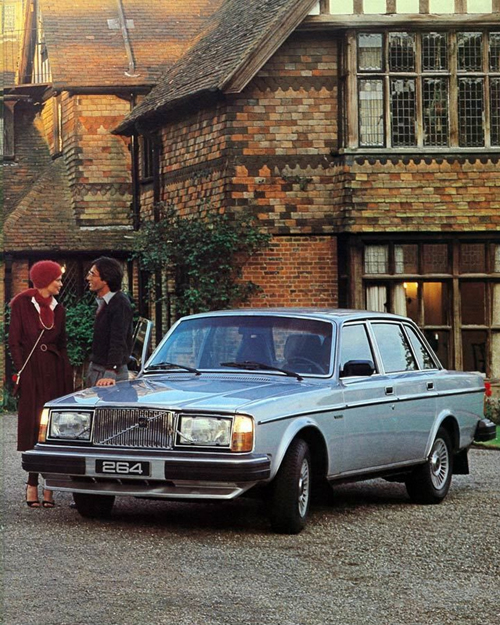
1980 – Volvo 264 GLE at Rumwood Court on Sutton Road in Langley near Maidstone, United Kingdom 🇬🇧.

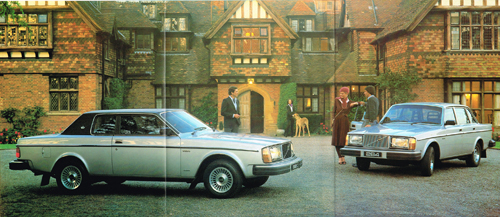
1980 – Volvo 262 C and 264 GLE at Rumwood Court on Sutton Road in Langley near Maidstone, United Kingdom 🇬🇧.

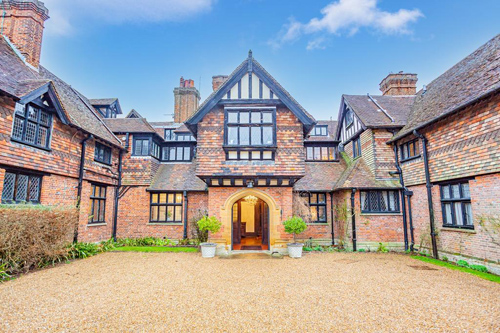
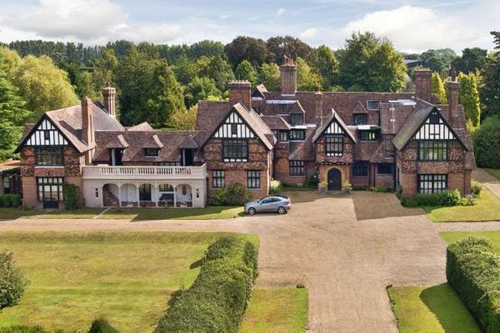
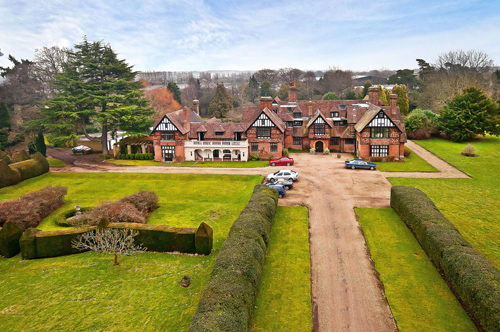
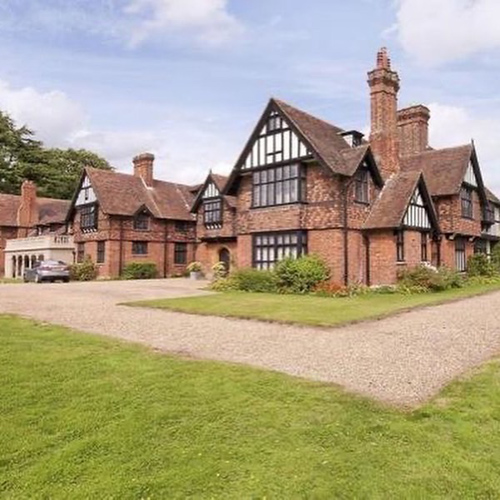
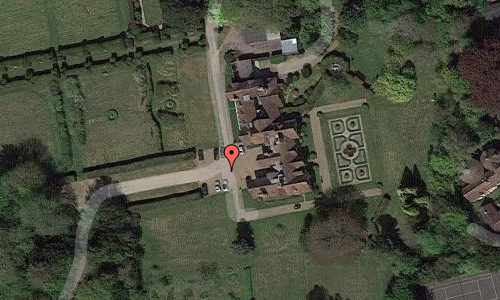
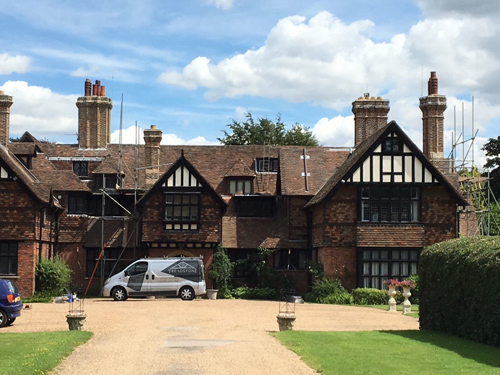
2021 – Rumwood Court on Sutton Road in Langley near Maidstone, United Kingdom

2021 – Rumwood Court on Sutton Road in Langley near Maidstone, United Kingdom

2021 – Rumwood Court on Sutton Road in Langley near Maidstone, United Kingdom

2021 – Rumwood Court on Sutton Road in Langley near Maidstone, United Kingdom

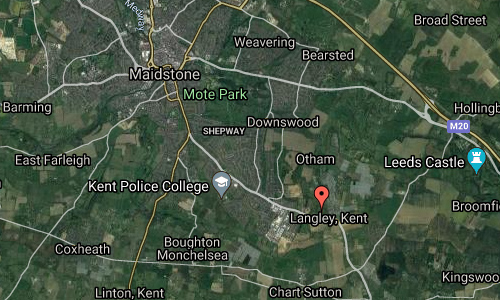
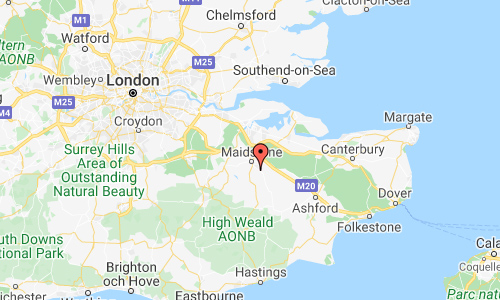
Rumwood Court is situated to the south of Maidstone in the village of Langley. Maidstone offers a wide range of amenities and there is an excellent local choice of schooling in both the state and private sector. Communications links are excellent with a choice of stations with services into London and the M20 motorway only 3 miles away.

2021 – Rumwood Court on Sutton Road in Langley near Maidstone, United Kingdom

Dating back to Elizabethan times with further additions in the Victorian era, Rumwood Court is now home to just seven apartments.

Langley is a village and civil parish in the Maidstone District of Kent, England. The parish is located on the A274 road leading south from Maidstone to Headcorn.

Langley is a common English place-name, from the Old English lang leah or ‘long field or woodland’. This village first appears in the records in 814 as Longanleag.

The village church is dedicated to St Mary. Behind this church is a lake, which is possible place for the medieval judicial practice of trial by cold water. When a jury couldn’t decide on a person’s innocence, it was left to God to decide. If the accused floated they were guilty because the water rejected them. If they sank, the water accepted them and thus were innocent. As is often thought it is not if they drowned, but the result was drowning in some cases. It had to be close to the church because the water would be holy.

Maidstone Museum & Art Gallery exhibits articles excavated from a site in Langley believed to have been a walled Roman cemetery.

More information at historicengland.org.uk and en.wikipedia.org.
Volvo Photo Locations

Friggvägen at Lilla Björknäs in Nacka 🇸🇪

October 3rd, 2021

Volvo Photo Locations Part 387
Volvo Photo Locations Overview
bookmark www.volvophotolocations.com today!

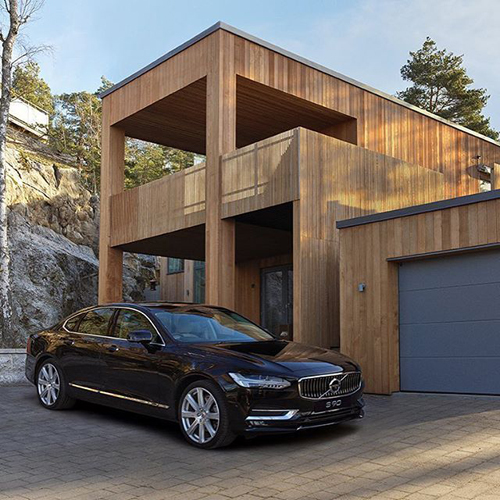
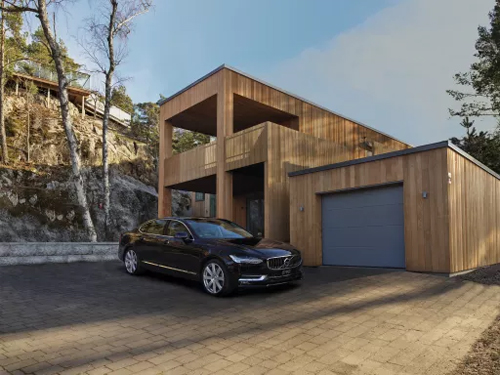
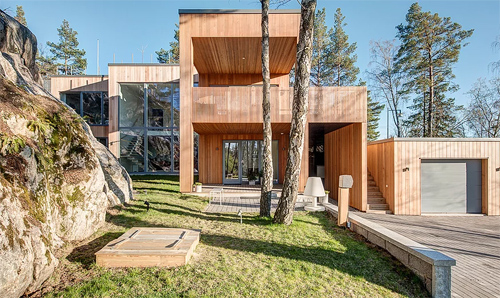
2017 – Volvo V60 at Friggvägen 6 in Saltsjö-boo, Nacka near Stockholm, Sweden 🇸🇪.

2017 – Volvo S90 at Friggvägen 6 in Saltsjö-boo, Nacka near Stockholm, Sweden 🇸🇪.

2017 – Volvo S90 at Friggvägen 6 in Saltsjö-boo, Nacka near Stockholm, Sweden 🇸🇪.

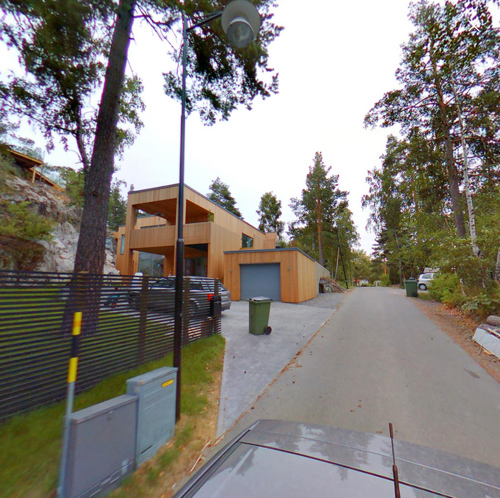
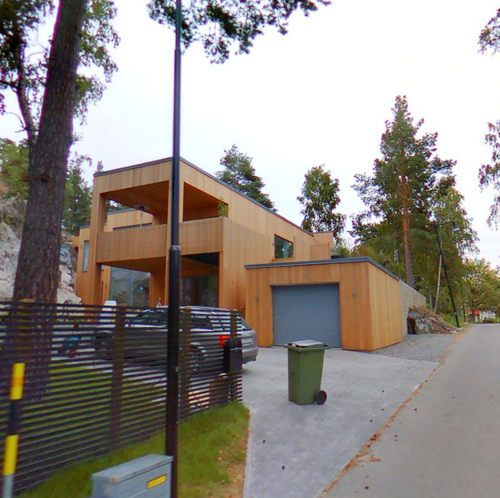
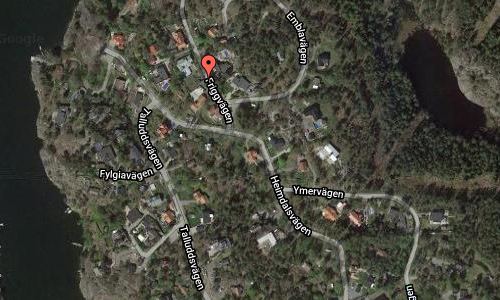
2021 – Friggvägen in Saltsjö-boo in Nacka near Stockholm (Eniro Gatuvy)

2021 – Friggvägen in Saltsjö-boo in Nacka near Stockholm (Eniro Gatuvy)

Friggvägen is a street located in Björknäss, Saltsjö-boo near Stockholm.

2013 – Friggvägen 6 was one of Lilla Björknäs in Nacka’s first modern villas. (Photo by Rockpeak Properties)

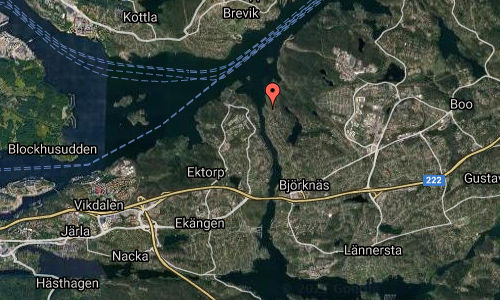
Björknäs is an area in Boo, Nacka municipality, which is reached directly after crossing the Skuru bridge from the Stockholm side. Björknäs has no natural center core but there is a commercial center which consists of a grocery store, restaurant and a number of smaller shops located around the central parking lot (Björknäs square). On the opposite side of the old Värmdövägen there is a large bus depot and Björknäskyrkan. There are a number of apartment buildings in the immediate area, but in the rest of Björknäs there are single-family housing. Björknäs previously had a popular excursion destination, the dance palace Björknäs Pavilion. It was built in 1941 next to a restaurantManor . They could be reached by both bus and steamboat to Klintens Brygga in Skurusundet. The pavilion burned down in 1978.

Björknäs has entrance parking and a fast bus connection with frequent departures to Slussen in Stockholm.

More information on sv.wikipedia.org, lillabjörknäs.se and rockpeakproperties.se.

Volvo Photo Locations

Marina Vikenvägen in Lysekil 🇸🇪

October 3rd, 2021

Volvo Photo Locations Part 386
Volvo Photo Locations Overview
bookmark www.volvophotolocations.com today!

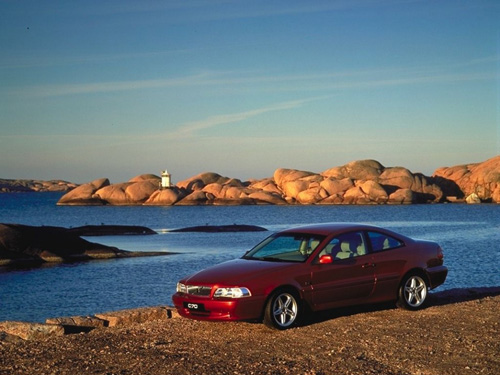
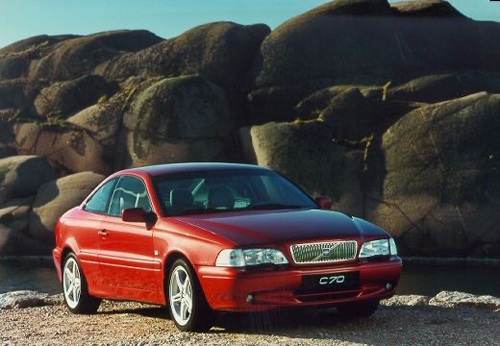
1997 - Volvo C70

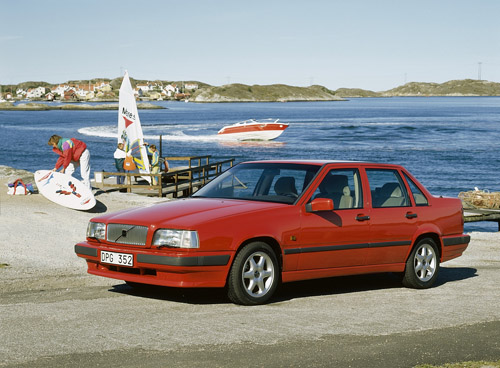
1996 – Volvo C70 at Marina near Vikenvägen with view on Stångholmen lighthouse on Humlesäcken island, west of Stångholmen island in Lysekil, Sweden 🇸🇪.
Great photography for Volvo Cars by Claes Axstål on the 18th and 19th of September 1996.

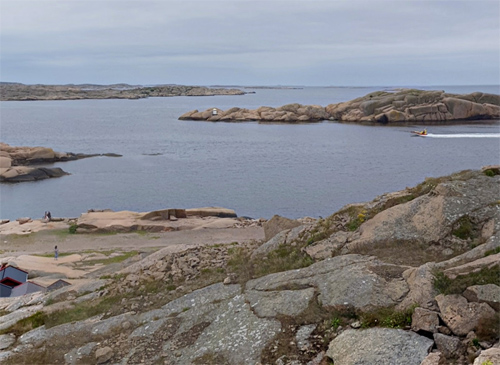
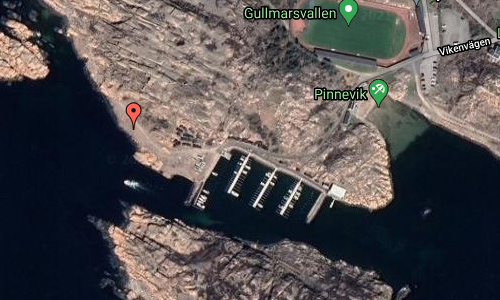
2021 – Marina Vikenvägen in Lysekil (Google Streetview)

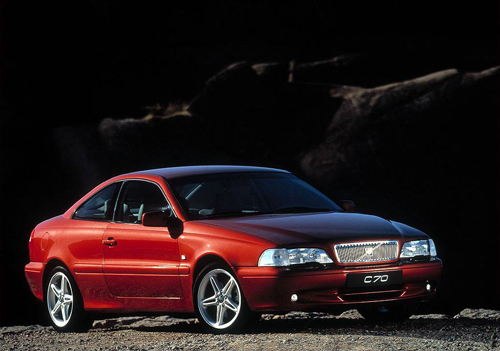
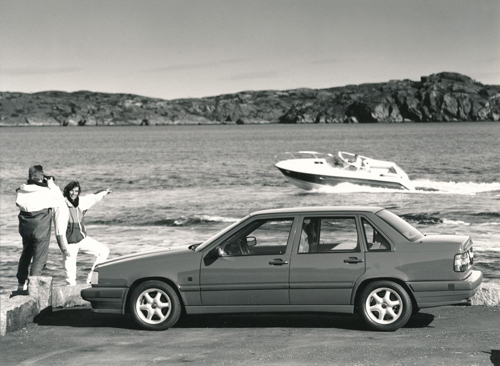
1996 – Volvo C70 at Marina near Vikenvägen on Stångholmesund in Lysekil, Sweden 🇸🇪.
Great photography for Volvo Cars by Claes Axstål on the 18th and 19th of September 1996.

1996 – Volvo C70 at Marina near Vikenvägen on Stångholmesund in Lysekil, Sweden 🇸🇪.
Great photography for Volvo Cars by Claes Axstål on the 18th and 19th of September 1996.

1996 – Volvo C70 at Marina near Vikenvägen on Stångholmesund in Lysekil, Sweden 🇸🇪.
Great photography for Volvo Cars by Claes Axstål on the 18th and 19th of September 1996.

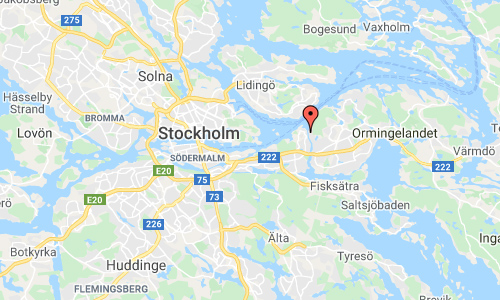
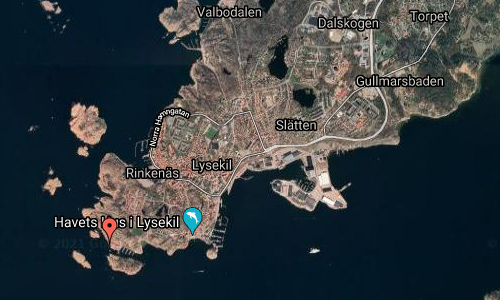
Marina Vikenvägen is located near Pinnevik Strand in Lysekil, Sweden.

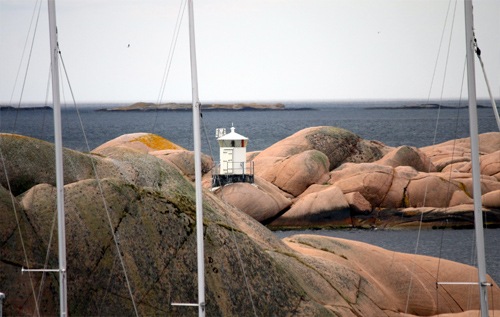
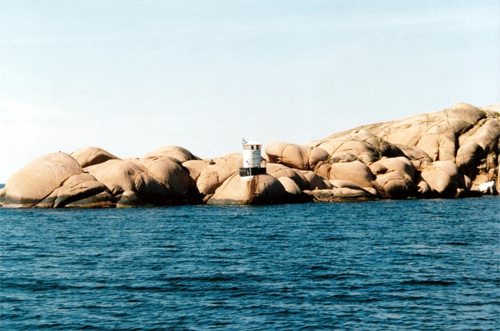
From this location, you have a view on Stångholmen lighthouse on Humlesäcken island, west of Stångholmen island in Lysekil.

In 1940, a lighthouse was placed on the island Humlesäcken (Stångeskär) as a replacement for the disused Stångehuvud lighthouse, whose white lighthouse remains to this day (2012), built in 1890. In 1994, the lighthouse on Humlesäcken was moved to Stångholmesund on Stångenäset and a new solar-powered lighthouse, the one in the first pictures below, was installed.

For some reason, the lighthouse is called Stångholmen, even though it is not located on Stångholmen but on the island Humlesäcken west of Stångholmen.

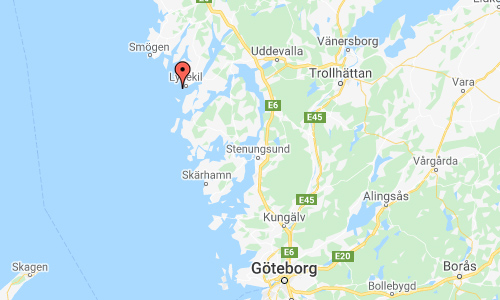
Lysekil is a locality in Västra Götaland County, Sweden. Situated on the south tip of Stångenäs peninsula at the mouth of Gullmarn fjord, it has two nature reserves.

Originally a small fishing village, it developed into a town for fishing industries, commercial shipping and trade during the 18th and 19th centuries. Stone industry based on the red Bohus granite from quarries in the town, was also vital to Lysekil up until the 1950s. One of Sweden’s largest oil refineries, Preemraff Lysekil is situated outside the town.

During the 19th century, Lysekil was established as a prominent spa and bathing resort and tourism still makes up a large part of the town’s economy.

More information on fyr.org and sv.wikipedia.org.
Volvo Photo Locations

Olofsvik on Halsbäcksvägen in Klövedal on Tjörn 🇸🇪

October 3rd, 2021

Volvo Photo Locations Part 385
Volvo Photo Locations Overview
bookmark www.volvophotolocations.com today!

1991 - Volvo 850 GLT at Olovsvik on Halsbäcksvägen with view on Björholm Hamn in Klövedal on Tjörn, Sweden

1992 – Volvo 850 GLT at Olovsvik on Halsbäcksvägen with view on Björholm Hamn in Klövedal on Tjörn, Sweden 🇸🇪.

1992 – Volvo 850 GLT at Olovsvik on Halsbäcksvägen with view on Björholm Hamn in Klövedal on Tjörn, Sweden 🇸🇪.

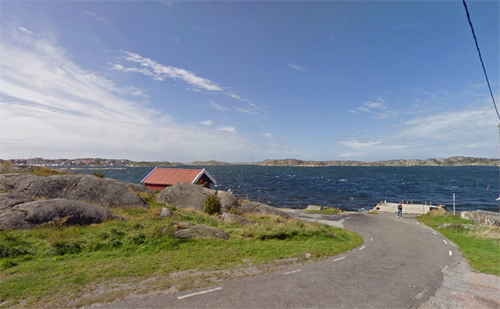
2021 – Olofsvik on Halsbäcksvägen in Klövedal on Tjörn (Google Streetview)

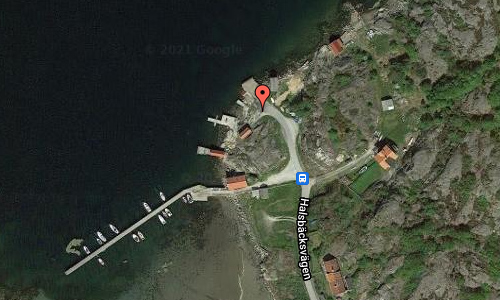
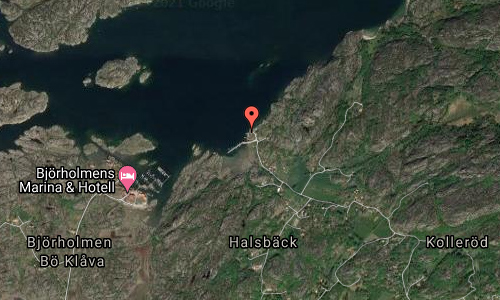
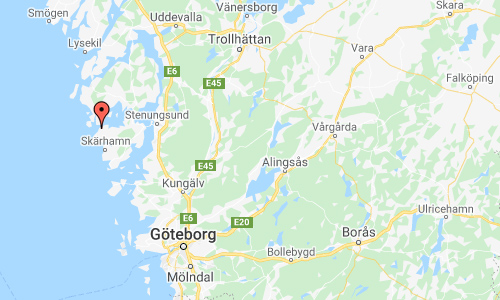
Olofsvik is located on Halsbäcksvägen in Klövedal on the island Tjörn, at the Swedish westcoast.

It is in the Halsbäck is a settlement from the Bronze Age. Here you can find some rock carvings on the block in Halsbäck near Ule place.

More information on sv.wikipedia.org and bjorholmensmarina.se.

Volvo Photo Locations

Billdals Hagenväg in Billdal near Göteborg 🇸🇪

October 1st, 2021

Volvo Photo Locations Part 384
Volvo Photo Locations Overview
bookmark www.volvophotolocations.com today!

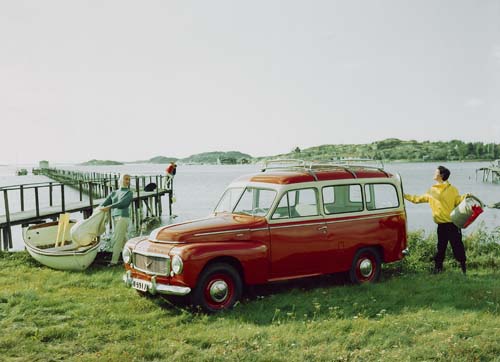
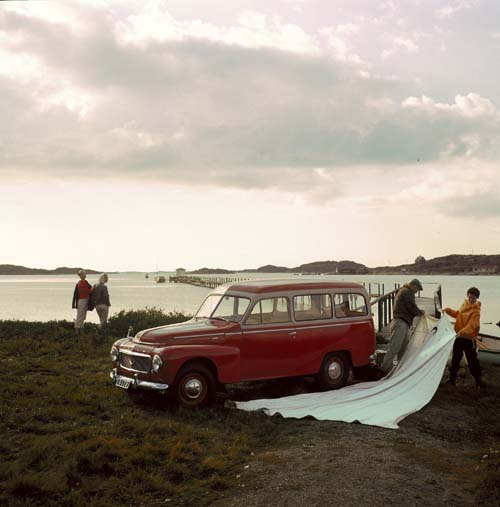
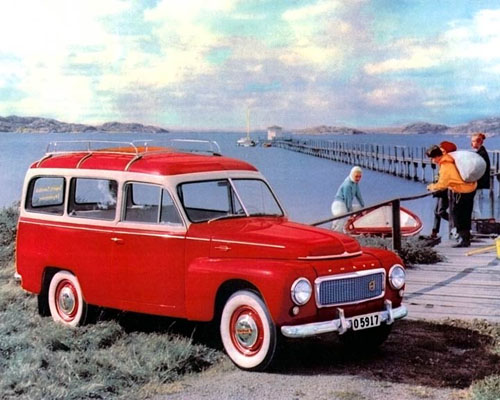
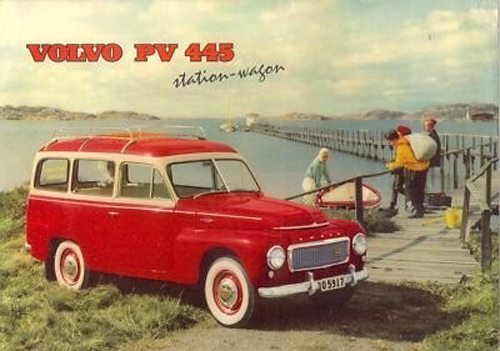
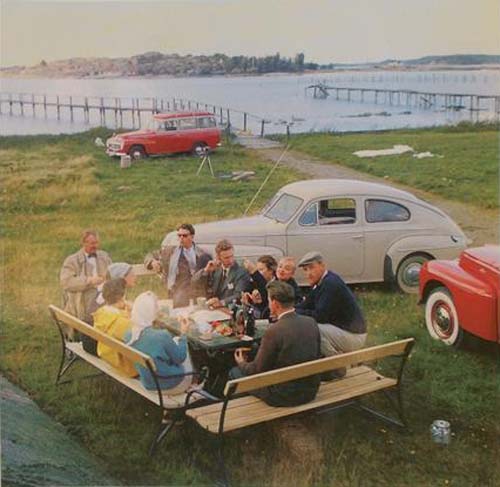
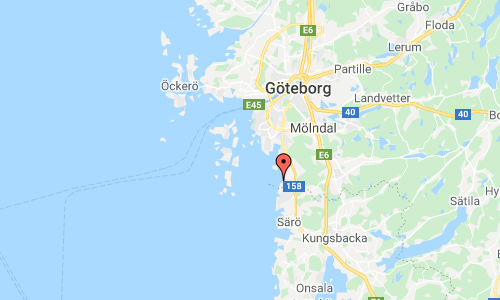
1958 – Volvo PV445 Duett at Billdals Hagenväg in Billdal with view on Killingsholmen, south of Göteborg, Sweden 🇸🇪.

1958 – Volvo PV445 Duett at Billdals Hagenväg 27B in Billdal with view on Killingsholmen, south of Göteborg, Sweden 🇸🇪.

1954 - Volvo Duett

1958 – Volvo PV445 Duett at Billdals Hagenväg in Billdal with view on Killingsholmen, south of Göteborg, Sweden 🇸🇪.

1958 – Volvo PV445 Duett at Billdals Hagenväg in Billdal with view on Killingsholmen, south of Göteborg, Sweden 🇸🇪.

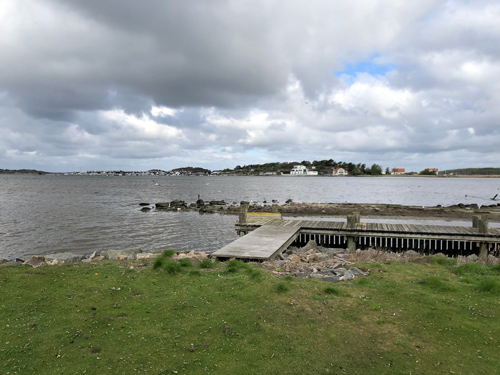
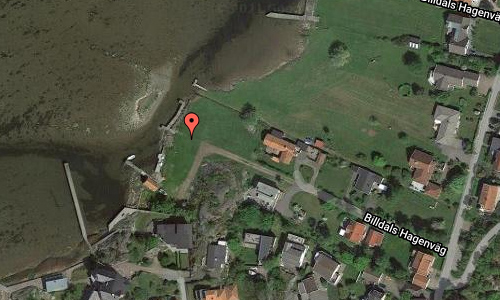
2021 – Billdals Hagenväg in Billdal with view on Killingsholmen, south of Göteborg, Sweden 🇸🇪.
Thanks Peter Nielsen for sharing these photos!

Billdals Hagenväg in Billdal with view on Killingsholmen, south of Göteborg, Sweden 🇸🇪.
Thanks Peter Nielsen for sharing these photos!

Billdal is a community southwest of Göteborg, located in the district Askim. Billdal is located by county road 158 and consists of areas such as Snipen, Lindås, Uggledal, Årekärr , Svindal and Skintebo.

The name Billdal already appears in 1540 in the form Beeldal, and further Behldal 1679, Billedahl 1825 with the meaning “river that flows with effort and trouble” or “the whimsical river, the river that sometimes flows slowly, sometimes fast”. The reference is then to the stream that has flowed into the valley.

The crew eating lunch at Billdals Hagenväg in Billdal with view on Killingsholmen, south of Göteborg, Sweden 🇸🇪.

Billdal’s buildings are predominantly villas in an area close to the sea. The buildings are surrounded by wooded ridges and some agricultural land. Here is Billdal’s park where a large, traditional midsummer celebration is arranged every midsummer.

Billdal was originally an agricultural town and some of the older villas have their origins as farm properties. The oldest parts are along the coast from Killingsholmen and south. The town is today a suburb of Göteborg and has been heavily densified.

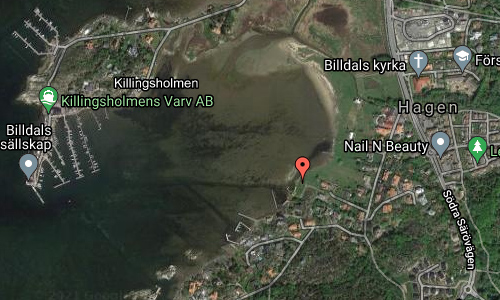
Killingsholmen is a peninsula in Billdal in the municipality of Gothenburg. On Killingsholmen there is, among other things, a municipal marina and Killingsholmens Varv.
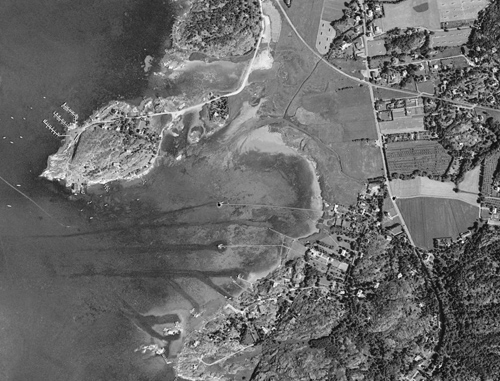
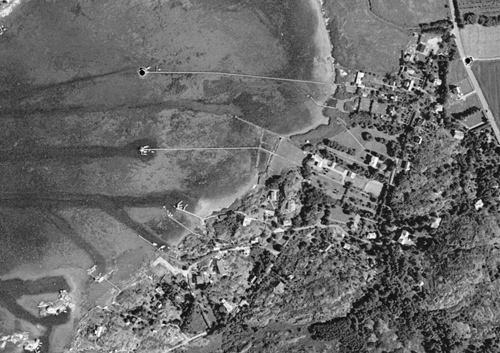
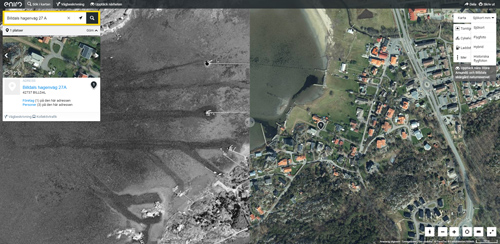
Hisoric maps from 1961 show the old long jetty (brygga) where the photographer and his crew made the photos of the PV445 Duett.

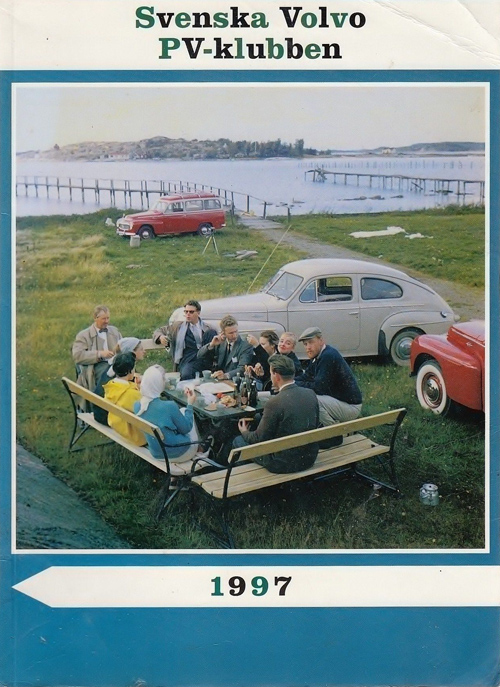
1997 – Cover of the Svenska Volvo PV Klubben Almanacka yearbook.

More information on sv.wikipedia.org, naturkartan.se and billdal.se.

Volvo Photo Locations

Digerhuvud Naturreservatet on Fårö in Gotland 🇸🇪

June 26th, 2021

Volvo Photo Locations Part 383
Volvo Photo Locations Overview
bookmark www.volvophotolocations.com today!

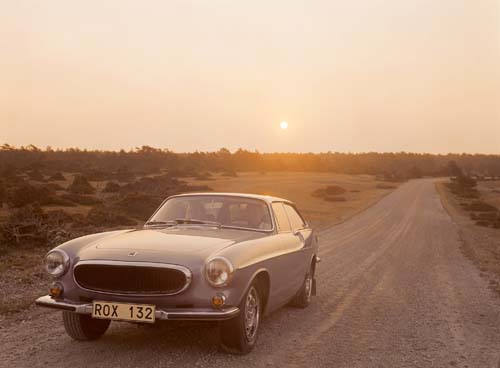
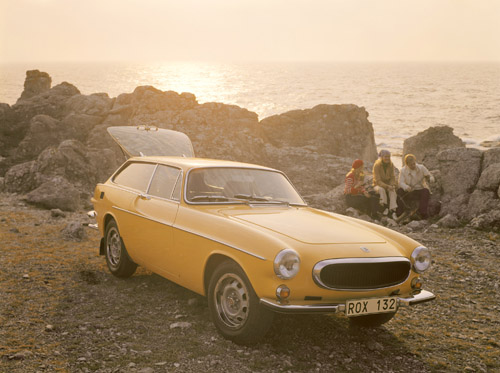
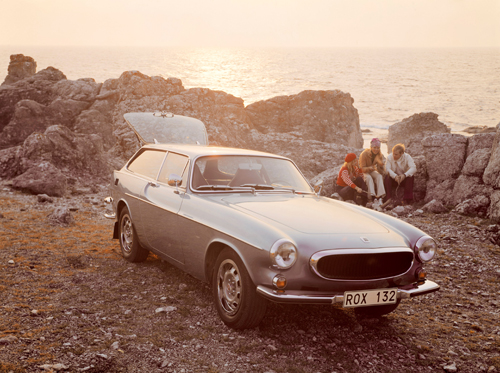
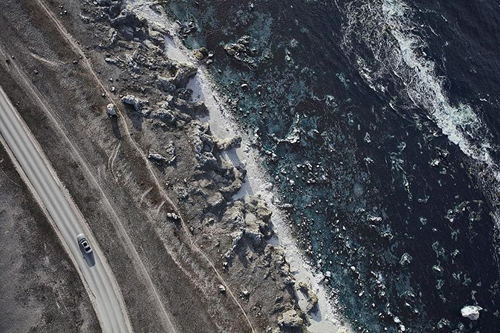
1973 – Volvo 1800 ES at Digerhuvud Naturreservatet between Lauterhorn and Aursviken on Fårö in Gotland, Sweden 🇸🇪

1973 – Volvo 1800 ES at Digerhuvud Naturreservatet between Lauterhorn and Aursviken on Fårö in Gotland, Sweden 🇸🇪

1973 – Volvo 1800 ES at Digerhuvud Naturreservatet between Lauterhorn and Aursviken on Fårö in Gotland, Sweden 🇸🇪

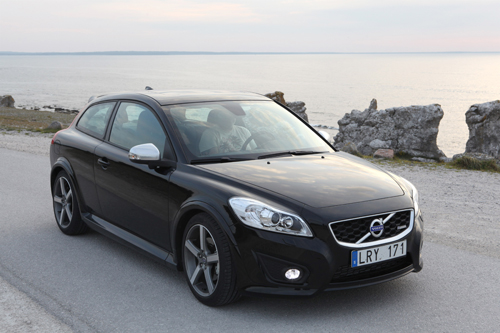
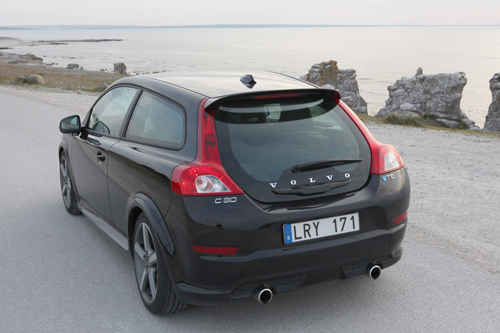
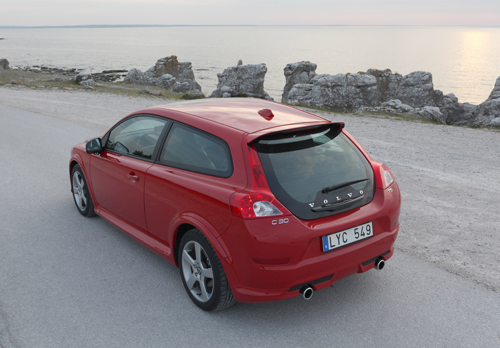
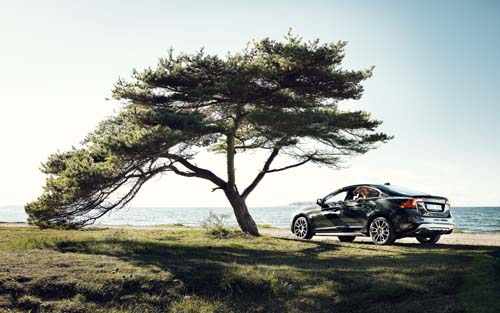
2011 – Volvo C30 R-Design T5 Polestar at Digerhuvud Naturreservatet on Fårö in Gotland, Sweden 🇸🇪.

2011 – Volvo C30 R-Design T5 Polestar at Digerhuvud Naturreservatet on Fårö in Gotland, Sweden 🇸🇪.

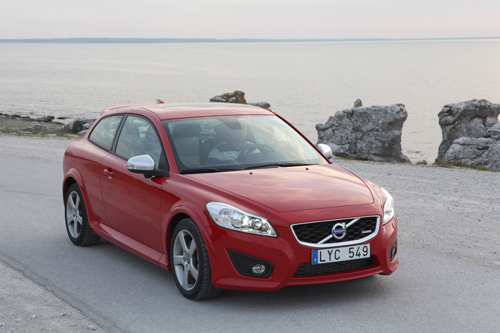
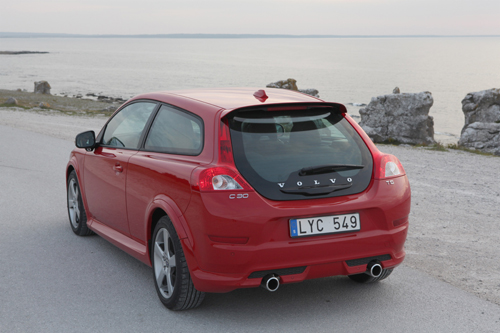
2011 – Volvo C30 R-Design T5 at Digerhuvud Naturreservatet on Fårö in Gotland, Sweden 🇸🇪.

2011 – Volvo C30 R-Design T5 at Digerhuvud Naturreservatet on Fårö in Gotland, Sweden 🇸🇪.

2011 – Volvo C30 R-Design T5 at Digerhuvud Naturreservatet on Fårö in Gotland, Sweden 🇸🇪.

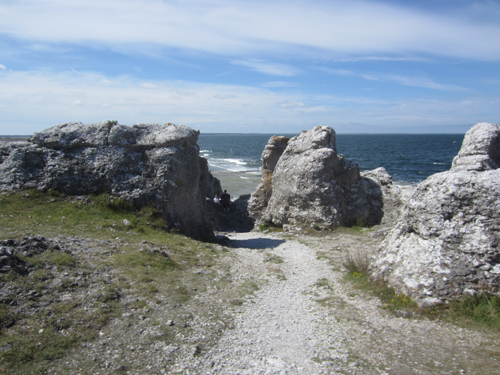
2016 – Digerhuvud Naturreservatet on Fårö in Gotland (own photo)

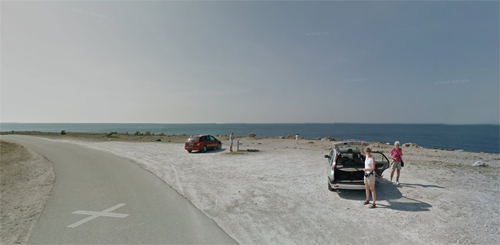
2021 – Digerhuvud Naturreservatet on Fårö in Gotland (Google Streetview)

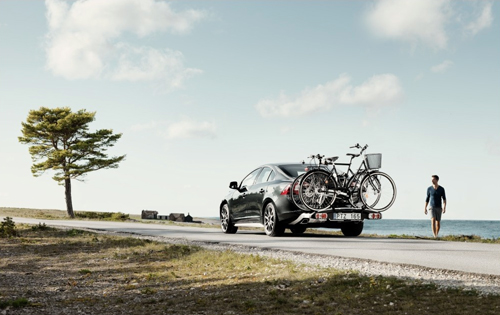
2018 – Volvo S60 at Digerhuvud Naturreservatet between Lauterhorn and Aursviken on Fårö in Gotland, Sweden 🇸🇪

2018 – Volvo S60 at Digerhuvud Naturreservatet between Lauterhorn and Aursviken on Fårö in Gotland, Sweden 🇸🇪

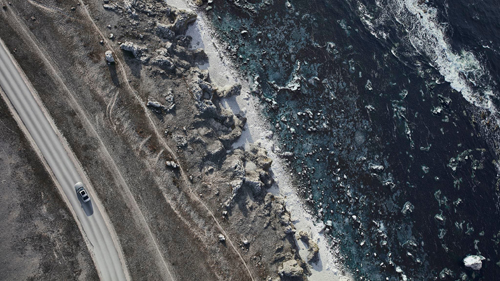
2014 - Volvo Concept Estate at coastal road southwest of Digerhuvud on Fårö on Gotland, Sweden.

2014 – Volvo Concept Estate at coastal road southwest of Digerhuvud on Fårö on Gotland, Sweden.

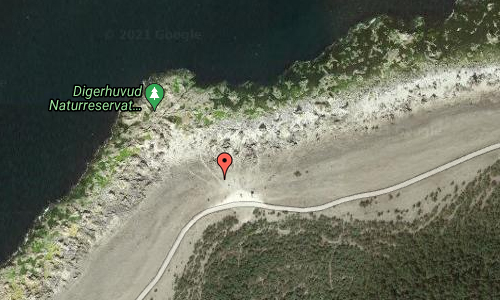
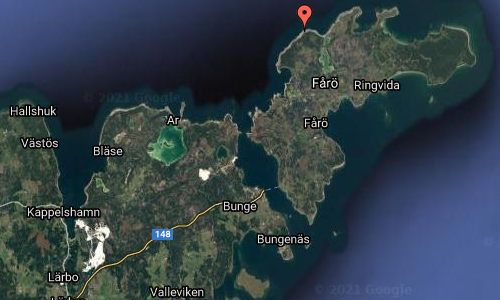
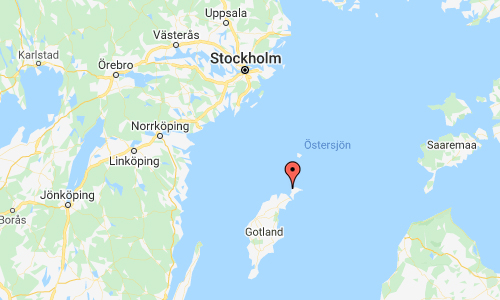
Digerhuvud Naturreservatet is located on Fårö in Gotland, Sweden.

The nature reserve Digerhuvud stretches along Fårö’s northwest coast, from Lauterhorn in the southwest to Helgumannen’s fishing village in the northeast. A paved road runs through the reserve which makes the various parts of the area easy to reach. Occasionally there may be many visitors here, but the area’s rauks are enough for everyone – you can always find your own rauk to climb, examine or rest your back against.

Raukarna varies in height from a few meters up to 8 meters. The outermost rauks stand a bit out in the water and are still being processed by the waves of the sea. Inside the rauk field runs a low cliff, and inside this spreads a cobblestone field up to 200 meters wide which has almost no vegetation. Even further in, a low-growing forest of windswept beach pines takes over.

How the rauks have been formed:
The Gotland bedrock is largely made up of coral reefs that formed in a tropical sea about 430 million years ago, during the Silurian period. Between these fossil reefs are packs of stored limestone and muddy marl. After the last ice age, just over 10,000 years ago, Gotland was initially completely covered by water. Released from the weight of the ice masses, however, the land gradually rose above sea level. Where land and sea met, the waves could work the bedrock. The reef bodies themselves withstood the abrasion of the waves better than the surrounding stratified rocks, and when the water receded they could remain as isolated stone pillars – rauks. The Raukarna thus consist of hard, unstored limestone and are remnants of the ancient reefs that came to give rise to today’s Gotland.Both the reef limestone and the stored limestone are rich in fossils of the many different kinds of animals that lived on and near the reefs: stromatoporoids, corals, shells, octopuses, mosses, armfoot and sea lilies.

More information on sv.wikipedia.org, lansstyrelsen.se and upplevfaro.se.

Volvo Photo Locations

Helgumannen fiskeläge on Fårö in Gotland 🇸🇪

June 26th, 2021

Volvo Photo Locations Part 382
Volvo Photo Locations Overview
bookmark www.volvophotolocations.com today!

2012 – Volvo S60 at Helgumannen fishermens houses on Fårö Gotland Sweden 🇸🇪

2012 – Volvo S60 at Helgumannen fishermens houses on Fårö Gotland Sweden 🇸🇪

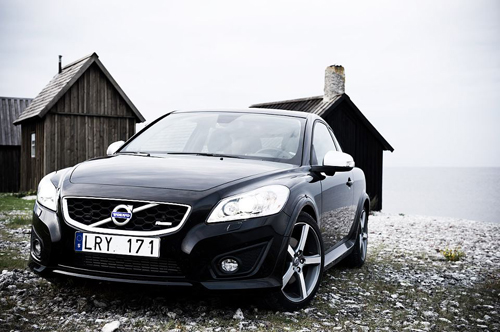
2011 – Volvo C30 T5 Black R Polestar at Helgumannen on Gotland

2011 – Volvo XC60 at Helgumannen on Gotland

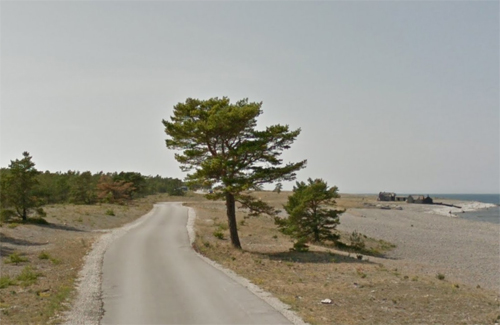
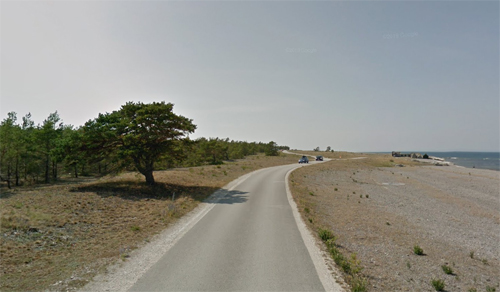
2021 – Helgumannen on Gotland (Google Streetview)

2021 – Helgumannen on Gotland (Google Streetview)

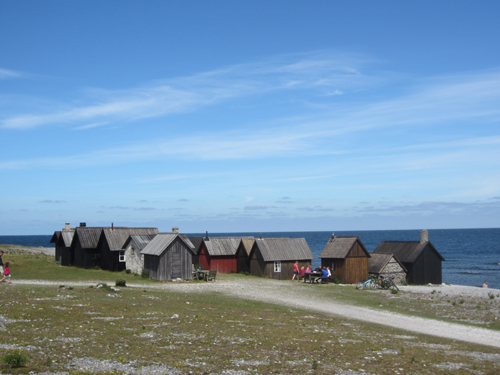
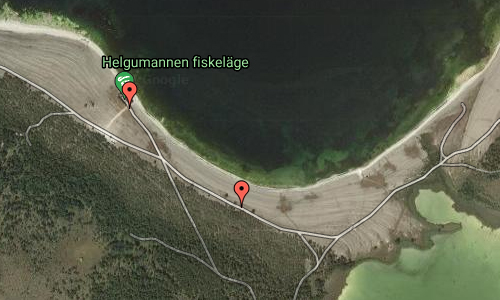
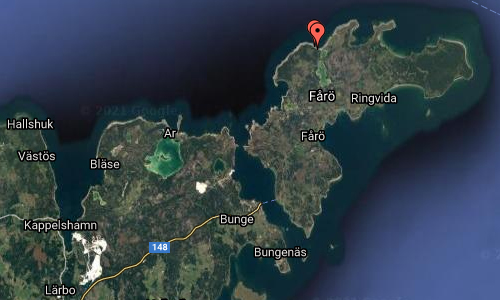
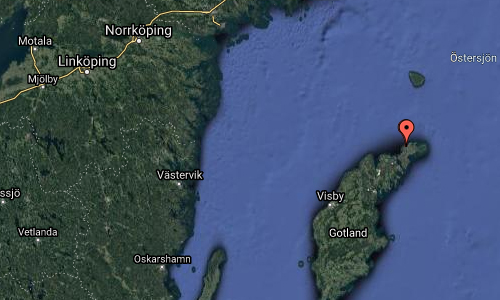
Helgumannenens fiskeläge is a fishing village on northern Fårö, located within the nature reserve Digerhuvud on Gotland, Sweden.

Helgumannen fishingvillage was Fårö’s most important fishing location for herring.
In the barren landscape and – with the sea as the only witness – lies the fishing village of Helgumannen. Here you can settle down for a while and have peace of mind.

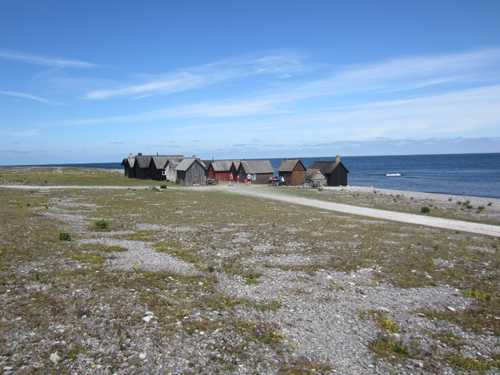
2021 – Helgumannen on Gotland

Once upon a time, there was plenty of activity here when the flooding was at its best. Helgumannen is one of Gotland’s 200 fishing villages and is located in Gotland’s largest seastack area Digerhuvud.

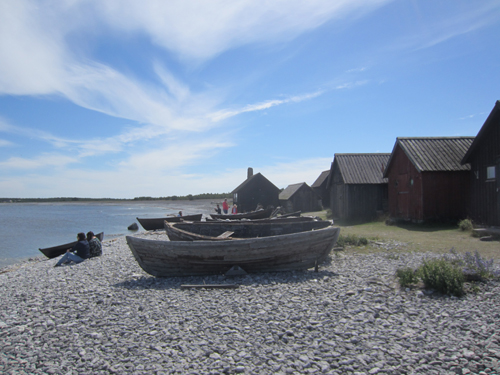
2021 – Helgumannen on Gotland

Two of the houses in Helgumannen’s fishing village are built in a prehistoric tradition. They consist of a roof set directly on the ground or on a stone foundation. Behind the booths is the fenced drying place for the nets, the guest yard. Boats and fishing gear are still there.

2021 – Helgumannen on Gotland

Today, only fifteen houses are preserved, but despite this, many are still the same. The houses is buildt side by side to protects against wind and sea. They are built according to old tradition.

More information on upplevfaro.se, lansstyrelsen.se and guteinfo.com.

Have a look at the behind the scenes material at fstoppers.com!

Volvo Photo Locations