home

[ Content | Sidebar ]

Museet for Søfart in Helsingør – DK 🇩🇰

February 21st, 2016

International Volvo Photo Locations Part 176

Historic Volvo Photography Locations Overview

2019 – Volvo XC90 R-Design T8 Twin Engine at MS Museet for Søfart or MS Maritime Museum of Denmark at Ny Kronborgvej in Helsingør Danmark 🇩🇰

2019 – Volvo XC90 R-Design T8 Twin Engine at MS Museet for Søfart or MS Maritime Museum of Denmark at Ny Kronborgvej in Helsingør Danmark 🇩🇰
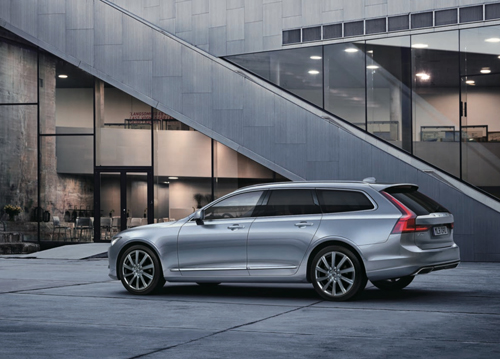
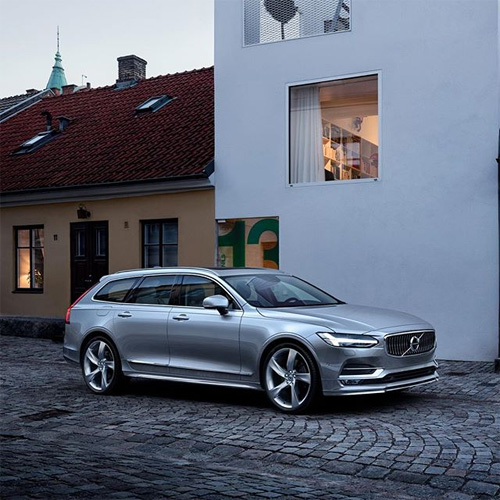
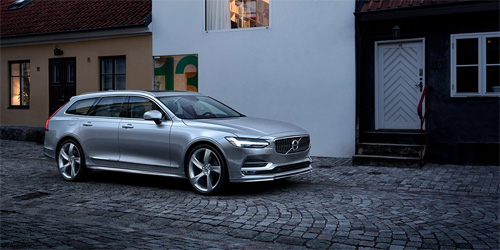
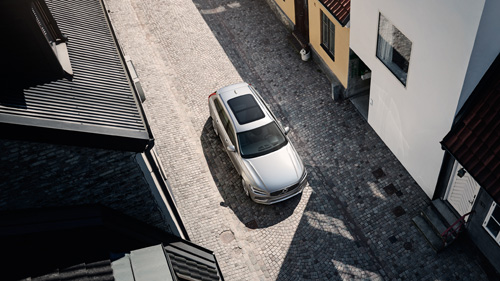
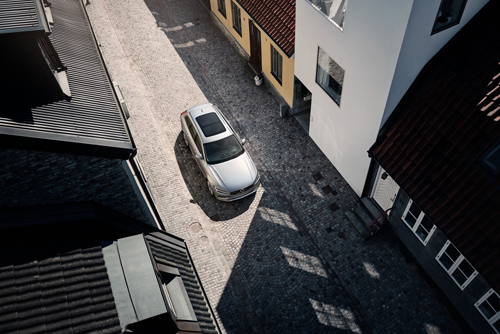
2016 – Volvo V90 Inscription at MS Maritime Museum of Denmark at Ny Kronborgvej in Helsingør Danmark 🇩🇰
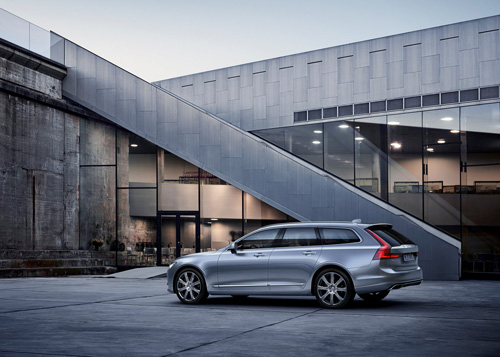
2016 - Volvo V90

2016 – Volvo V90 Inscription at MS Maritime Museum of Denmark at Ny Kronborgvej in Helsingør Danmark 🇩🇰

2016 – Volvo V90 Inscription at MS Maritime Museum of Denmark at Ny Kronborgvej in Helsingør Danmark 🇩🇰

2016 - Volvo V90

2016 – Volvo V90 Inscription at MS Maritime Museum of Denmark at Ny Kronborgvej in Helsingør Danmark 🇩🇰
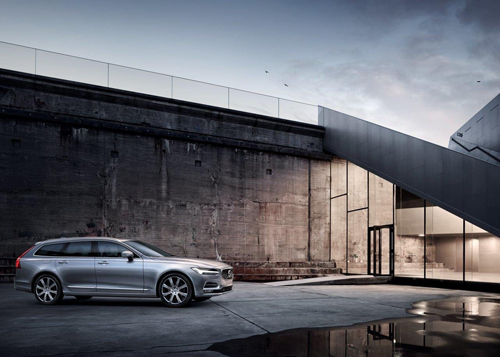
2016 – Volvo V90 Inscription at MS Maritime Museum of Denmark at Ny Kronborgvej in Helsingør Danmark 🇩🇰
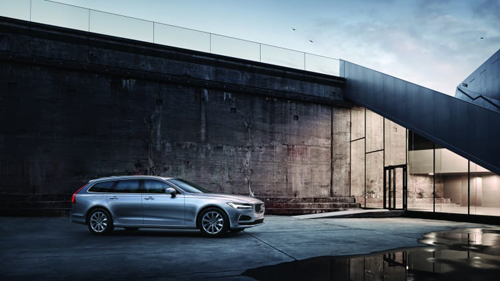
2016 – Volvo V90 Inscription at MS Maritime Museum of Denmark at Ny Kronborgvej in Helsingør Danmark 🇩🇰

2016 - Volvo V90 and S90

2016 – Volvo V90 and S90 at MS Maritime Museum of Denmark at Ny Kronborgvej in Helsingør Danmark 🇩🇰

2016 – Volvo V90 D5 AWD Polestar Performance and S90 D5 AWD Polestar Performance at MS Maritime Museum of Denmark at Ny Kronborgvej in Helsingør Denmark 🇩🇰.
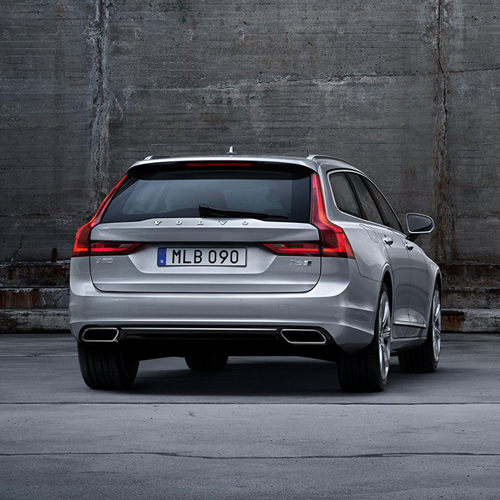
2016 – Volvo V90 at MS Maritime Museum of Denmark at Ny Kronborgvej in Helsingør Danmark 🇩🇰
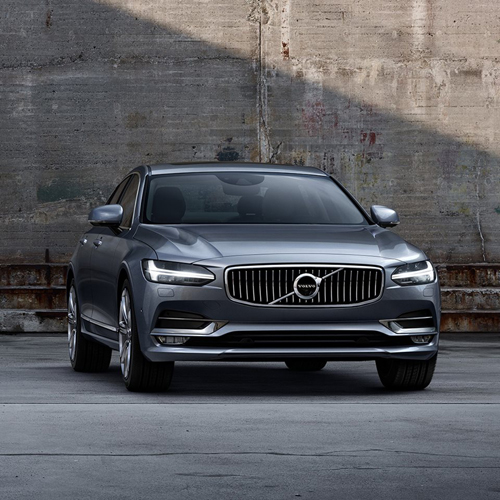
2016 – Volvo S90 at MS Maritime Museum of Denmark at Ny Kronborgvej in Helsingør Danmark 🇩🇰
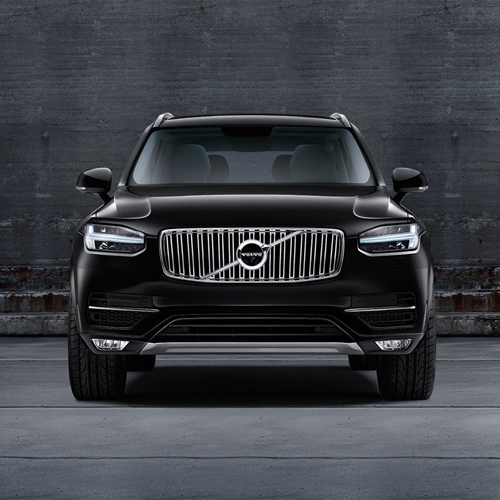
2016 – Volvo XC90 at MS Maritime Museum of Denmark at Ny Kronborgvej in Helsingør Danmark 🇩🇰
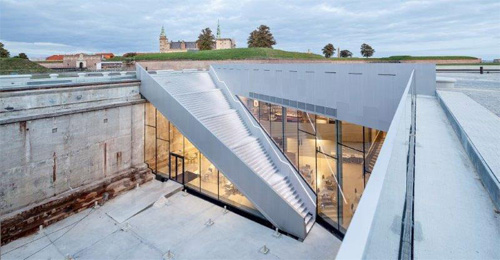
2016 - Museet for Søfart in Helsingør, Denmark
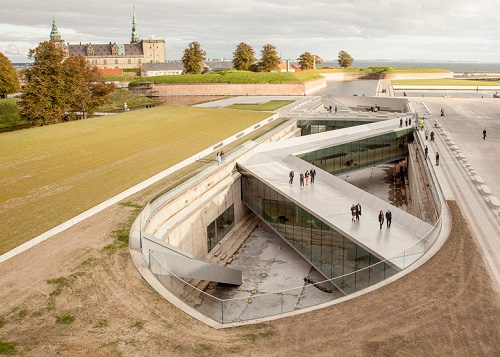
2016 – Museet for Søfart in Helsingør, Denmark

2016 - Museet for Søfart in Helsingør, Denmark

2016 – Museet for Søfart in Helsingør, Denmark

The M/S Maritime Museum of Denmark (Danish: M/S Museet for Søfart), operated by a private foundation since 1915, was for the first 97 years located at Kronborg Castle in Helsingør, Denmark. Its collections cover Danish trade and shipping from 1400 to the present day. In 2013, the museum moved into new underground premises designed by Bjarke Ingels around a former dry dock.
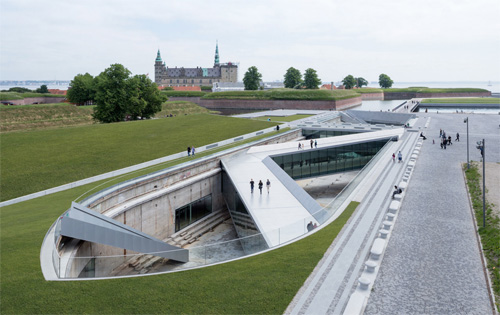
2016 - Museet for Søfart in Helsingør  (Photo by BIG - Bjarke Ingels Group)

2016 – Museet for Søfart in Helsingør (Photo by BIG – Bjarke Ingels Group)

A new museum designed by Bjarke Ingels Group opened in October 2013. Located in a former Helsingør dry dock, it is placed in an underground area of 7,600 square metres with an interior designed by Dutch architects Kossmann Dejong. Equipped with teaching facilities, workshops and a café, the museum also hosts conferences and cultural events.

Ingels’ decision to build underground was the result of height restrictions imposed on the design in order to safeguard views of nearby Kronborg. The old dry dock, 150 metres long, 25 metres wide and 9 metres deep, proved to be an ideal location but it was first necessary to reinforce the old dock walls before constructing the museum on its periphery. The dock itself will remain an empty space crossed by ramps and bridges providing access to the museum and the exhibition areas. The overall intention is to give the museum the feel of a ship’s deck. The competition jury welcomed the proposal, believing it would create a world-class maritime museum for Denmark. Financed by 11 foundations, construction work began in September 2008 and the museum finally was opened on 5 October 2013.
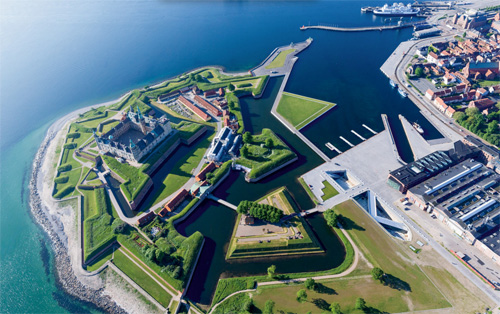
2016 - Museet for Søfart in Helsingør  (Photo by BIG - Bjarke Ingels Group)

2016 – Museet for Søfart in Helsingør (Photo by BIG – Bjarke Ingels Group)

The surrounding area also features street furniture arranged to reflect Morse code through the use of dots and dashes, with the work being carried out by design studio Kibisi.

2019 – Behind the scenes at MS Maritime Museum of Denmark in Helsingør (photo by Production Service Scandinavia)

2019 – Behind the scenes at MS Maritime Museum of Denmark in Helsingør (photo by Production Service Scandinavia)
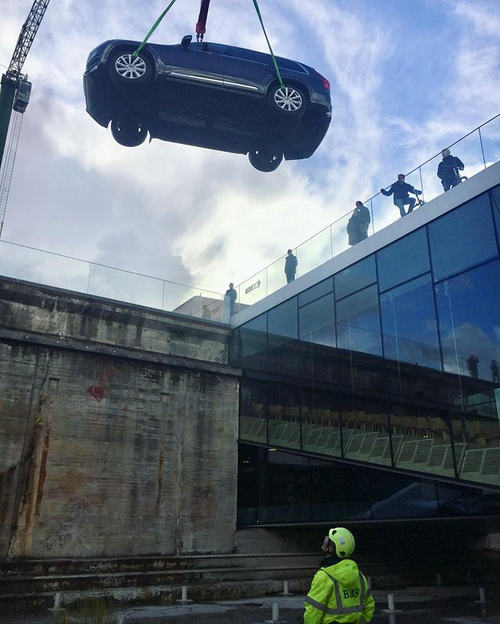
2019 – Behind the scenes at MS Maritime Museum of Denmark in Helsingør (photo by Production Service Scandinavia)
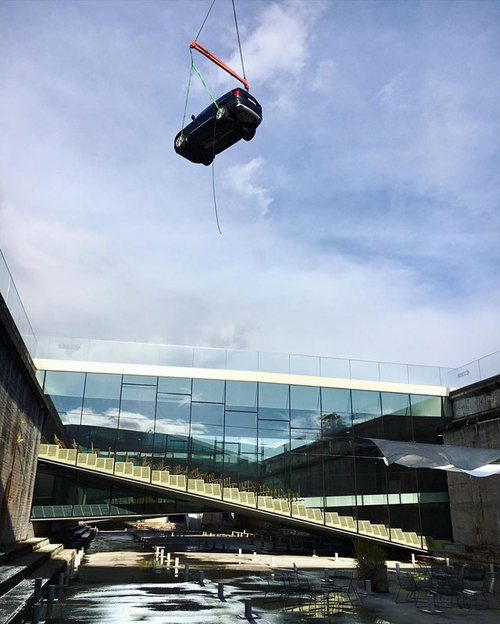
2019 – Behind the scenes at MS Maritime Museum of Denmark in Helsingør (photo by Production Service Scandinavia)
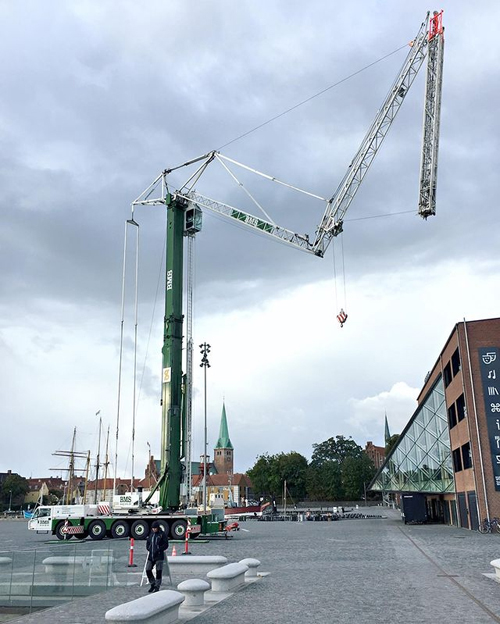
2019 – Behind the scenes at MS Maritime Museum of Denmark in Helsingør (photo by Production Service Scandinavia)
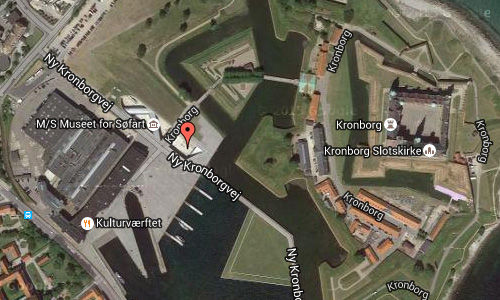
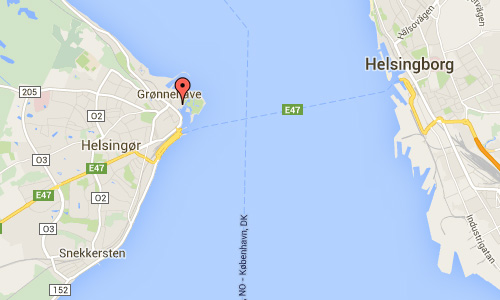
2016 - Museet for Søfart in Helsingør Maps02

2016 - Museet for Søfart in Helsingør Maps01

More information on en.wikipedia.org, mfs.dk, www.big.dk and www.kossmanndejong.nl
Volvo Photography Locations

Stora Vägen on Hönö-Fotö in Öckerö 🇸🇪

February 20th, 2016

Volvo Photo Locations Part 190
Historic Volvo Photography Locations Overview

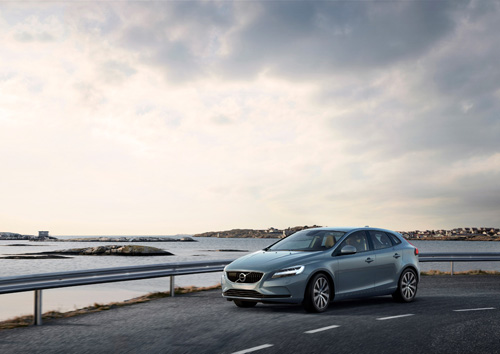
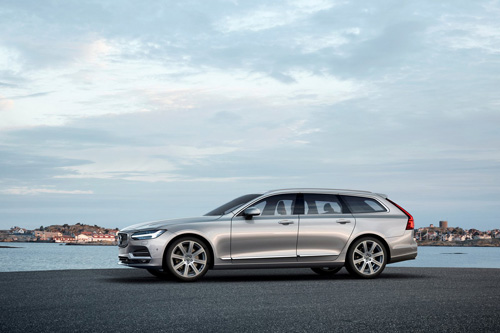
2016 - Volvo V90

2016 – Volvo V90

2016 - Volvo V40 T4 Momentum

2016 – Volvo V40 T4 Momentum

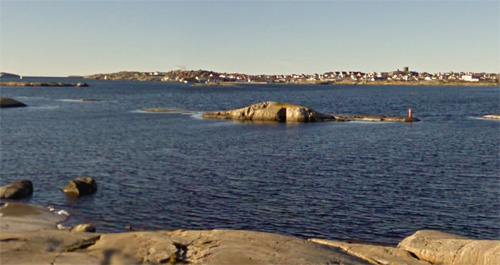
2016 - Stora Vägen on Fotö - Hönö (Google Streetview)

2016 – Stora Vägen on Fotö – Hönö (Google Streetview)

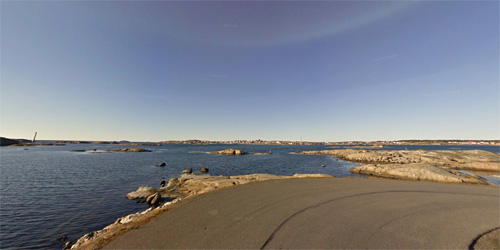
2016 - Stora Vägen on Fotö - Hönö (Google Streetview)

2016 – Stora Vägen on Fotö – Hönö (Google Streetview)

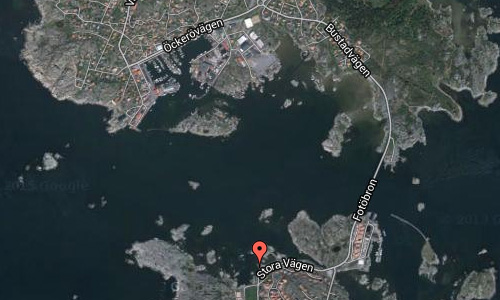
Fotö is an island and a locality situated in Öckerö Municipality, Västra Götaland County, Sweden with 620 inhabitants in 2010. It is connected to the island of Hönö with bridge.

In the middle of Gothenburgs archipelago lies Fotö. The island is busy during the summer and a visit to the cafe with a view over the sea and the boats is an unforgettable experience.
Fotös swimming spots have diving boards, diving towers and bridges. If you want to find your very own favourite spot, you can head to the island’s northwestern part, Tån. In the 17th century the island’s urban-focus was at the port but now houses are all around the island. For those interested in history there are many ancient monuments left to visit. Between Hönö and Fotö there is a bridge.
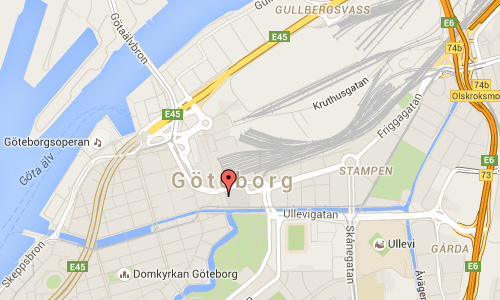
From the Stora Vägen on Fotö you get a great view on Hönö. A popular island with restaurants, shops and activities. In the northern part of the archipelago lies Hönö which has a popular marina and a wide range of activities such as scuba diving and kayaking. For those who are interested in fishing history a visit to the Fishing Museum is recommended. There are several dining options, both pizzerias, cafes and restaurants.

Northwest Hönö consists of a nature reserve and on the southwest side there are beautiful walking paths. The cliffs spreads out along the coasts of Hönö and invites you to adventure-filled baths.

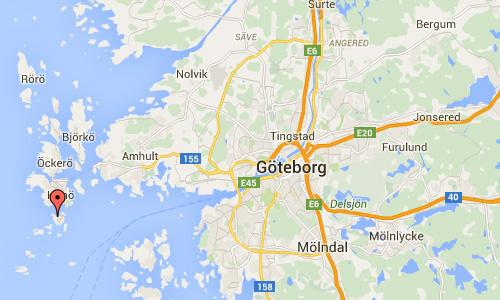
2016 - Fotö on Hönö Göteborg Maps02

2016 - Fotö on Hönö Göteborg Maps01

More information at sv.wikipedia.org and www.goteborg.com.

Historic Volvo Photography Locations Overview

Summerhouse Lagnö on Ljusterö 🇸🇪

February 20th, 2016

Volvo Photo Locations Part 189
Historic Volvo Photography Locations Overview

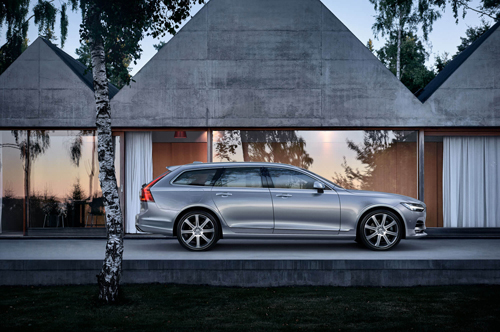
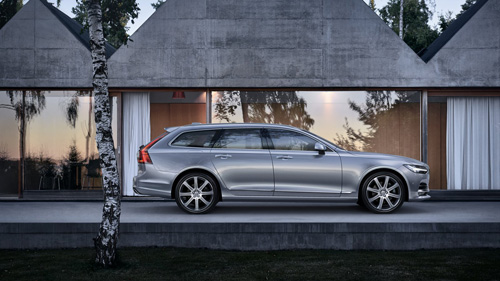
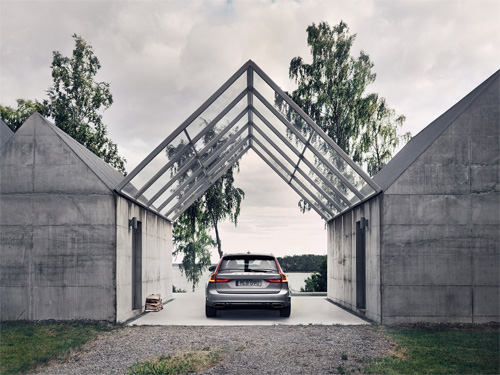
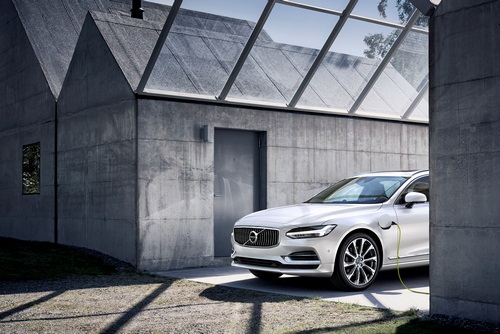
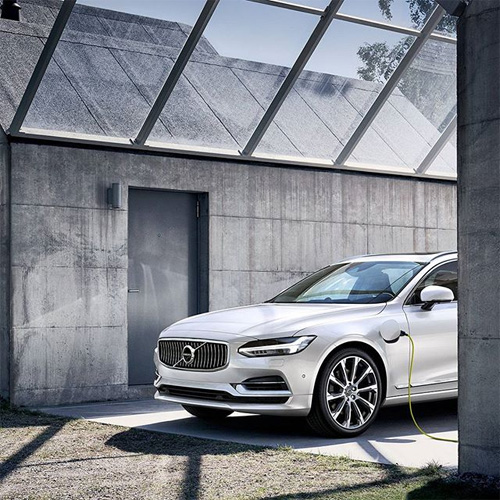
2016 – Volvo V90 T8 Twin Engine at Summerhouse Lagnö on Ljusterö (Photography by Marcel Pabst)

2016 - Volvo V90

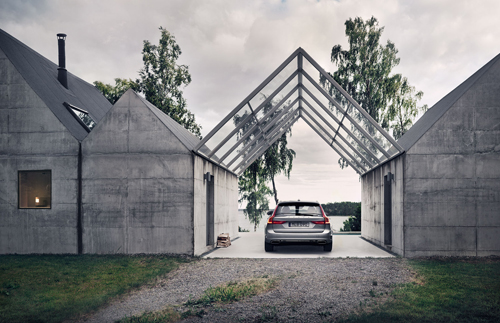
2016 – Volvo V90 T8 Twin Engine at Summerhouse Lagnö on Ljusterö (Photography by Marcel Pabst)

2016 - Volvo V90

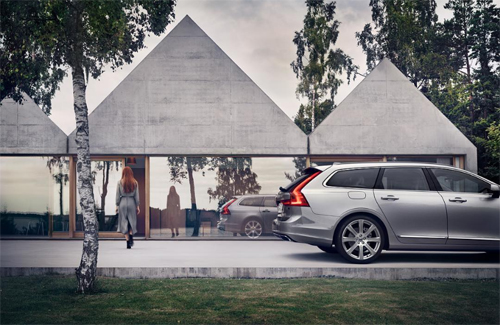
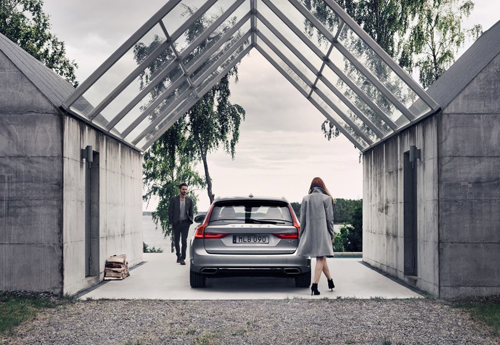
2016 – Volvo V90 T8 Twin Engine at Summerhouse Lagnö on Ljusterö (Photography by Marcel Pabst)

2016 - Volvo V90

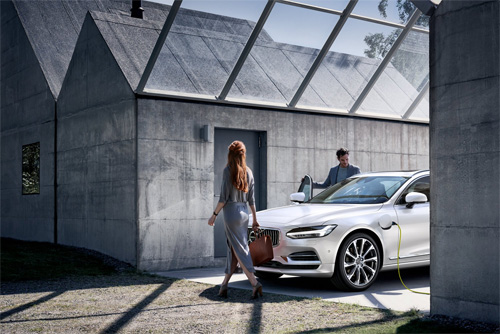
2016 – Volvo V90 T8 Twin Engine at Summerhouse Lagnö on Ljusterö (Photography by Marcel Pabst)

2016 – Volvo V90 T8 Twin Engine at Summerhouse Lagnö on Ljusterö

2016 – Volvo V90 T8 Twin Engine at Summerhouse Lagnö on Ljusterö (Photography by Marcel Pabst)

2016 - Volvo V90 T8 Twin Engine

2016 – Volvo V90 T8 Twin Engine at Summerhouse Lagnö on Ljusterö (Photography by Marcel Pabst)

2016 – Volvo V90 T8 Twin Engine at Summerhouse Lagnö on Ljusterö (Photography by Marcel Pabst)

2016 - Volvo V90 T8 Twin Engine

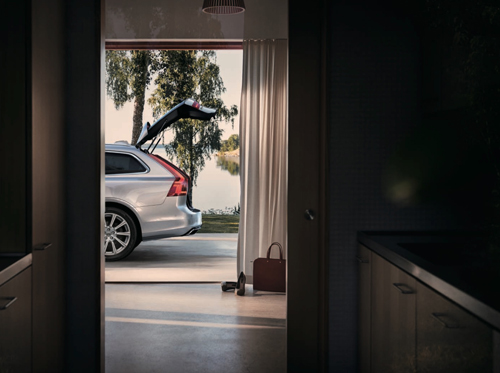
2016 – Volvo V90 T8 Twin Engine at Summerhouse Lagnö on Ljusterö (Photography by Marcel Pabst)

2016 – Volvo V90 T8 Twin Engine at Summerhouse Lagnö on Ljusterö

2015 – Villa Lagnö Solbacksvägen

2015 – Villa Lagnö Solbacksvägen

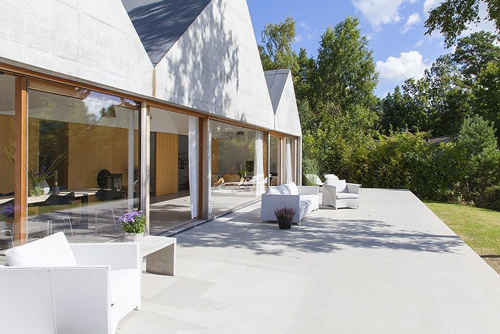
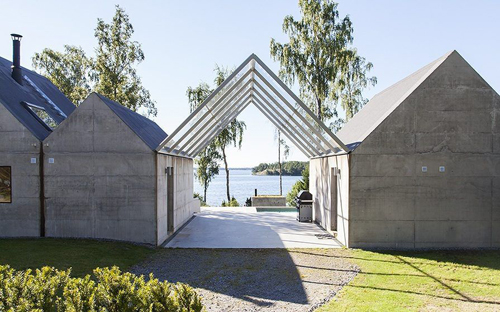
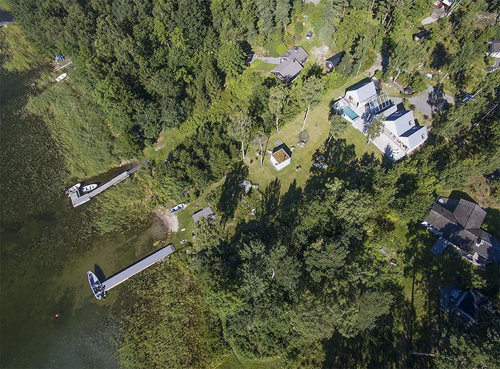
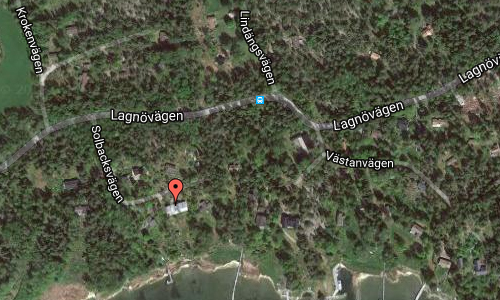
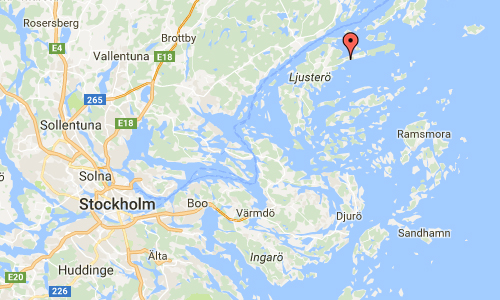
Summerhouse Lagnö is located at Solbacksvägen at Västra Lagnö on Ljusterö in the Stockholm archipelago. The summerhouse is built under architecture by architects Tham & Videgård Arkitekter from Stockholm. The house was completed in 2012. It is privately owned and the precise address on Lagnö is undisclosed. Photos of the house were published on Hemnet when the house was for sale.

A stunning summerhouse hidden in the lush forest of the Stockholm archipelago has recently won the House of the Year award at the WAN Awards 2013. The summerhouse on Lagnö was designed by Tham & Videgård Arkitekter, and was completed in 2012. The fact that the building site was situated on the mainland, and not on an island, has allowed the architects to use heavier materials, and thus improve on the house’s integration into the granite rock formations and forest that surround it. Apart from the design of the house itself, the architects were also responsible for the interiors and landscape design.

2015 – Villa Lagnö Solbacksvägen

2015 – Villa Lagnö Solbacksvägen

2015 – Villa Lagnö Solbacksvägen

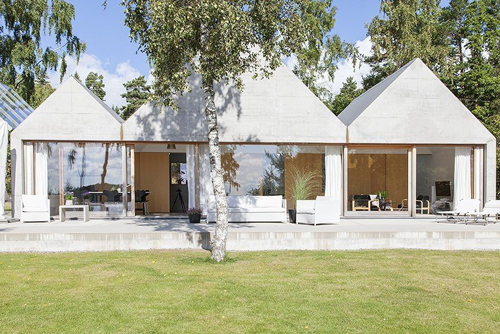
The house’s main feature is the almost sculptural roof, which consists of a series of gables made of natural concrete, a reference to the archetypical shape of a house. One of the gables is in fact empty: it’s nothing more than a glass canopy that functions as the entrance to the house, greeting visitors with a spectacular view over the archipelago. Seen from the forest, the house has almost no windows, ensuring the privacy of its tenants; the windows have instead, been placed on the roof.

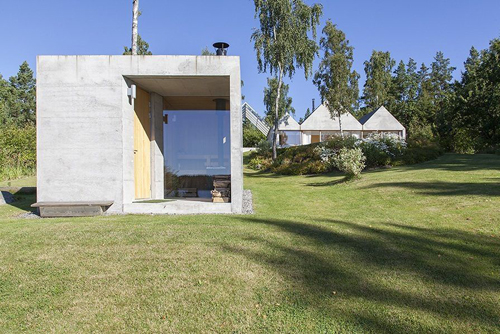
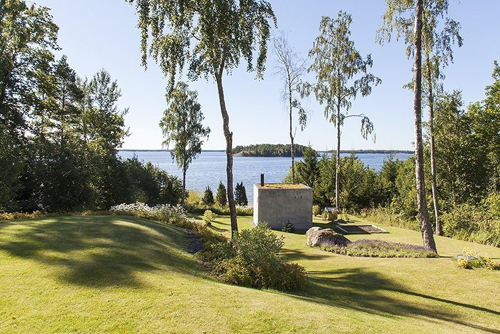
The other side of the house however is completely open, with large windows and a spacious terrace. These elements, along with the elongated shape of the living room, make the house look like a boathouse in the middle of the forest. The internal wall of the living room is lined with the house’s other rooms (3 bedrooms, kitchen, bathroom). Discreetly hidden behind sliding wooden panels, a sense of absolute seclusion is created. The guest house next door is completely independent, with its own kitchen and bathroom. A (very Scandinavian) sauna cottage made of a single block of cast concrete is situated next to the house’s private pier.

Ljusterö is an island in the northern part of the Stockholm archipelago in Österåker Municipality, Stockholm County. It is approximately 65 kilometers north of central Stockholm. With an area of 62 km², it is the 17th largest island in the country. The island is accessed from the mainland by regular ferries from Östanå as well as by boat from central Stockholm.

It has approximately 1,500 permanent residents and 25,000-30,000 residents during the summer season due to the large number of summer houses.

More information at www.tvark.se, www.curbed.comarchinect.com, www.yatzer.com and www.designboom.com.

Historic Volvo Photography Locations Overview

Gamla Kyrkogatan in Landskrona 🇸🇪

February 20th, 2016

Volvo Photo Locations Part 188
Historic Volvo Photography Locations Overview

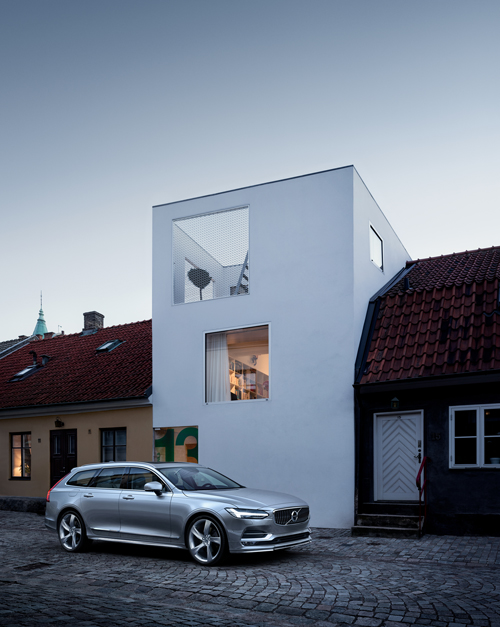
2016 – Volvo V90 at Gamla Kyrkogatan in Landskrona

2016 - Volvo V90

2016 – Volvo V90 at Gamla Kyrkogatan in Landskrona

2016 - Volvo V90

2016 – Volvo V90 at Gamla Kyrkogatan in Landskrona

2016 - Volvo V90

2016 – Volvo V90 at Gamla Kyrkogatan in Landskrona

2019 – Volvo V90 T4 Business Luxury NL at Gamla Kyrkogatan in Landskrona

2016 - Gamla Kyrkogatan in Landskrona

2016 – Gamla Kyrkogatan in Landskrona

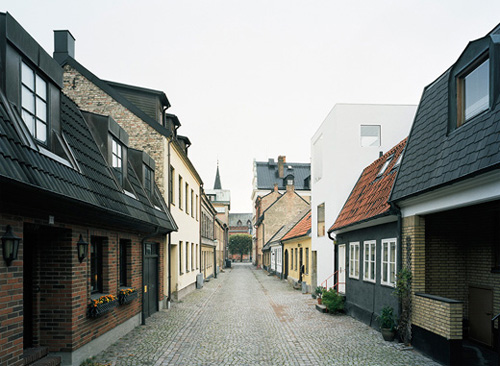
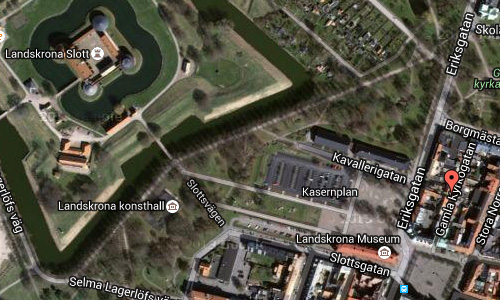
Gamla kyrkogatan (Old churchstreet) is a street in the old center of Landskrona.

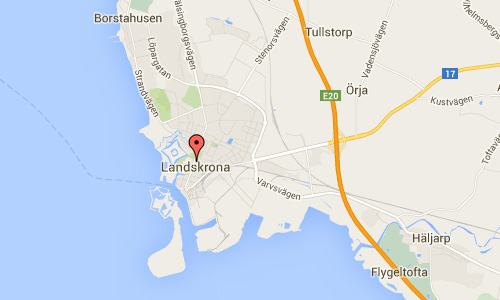
Landskrona is a late medieval town located at the shores of Øresund, founded at the location of the former Danish fishing village Sønder Sæby in the province of Scania by king Erik VII of Pomerania early in the 15th century. In 1720 the town, like its province, became a formal part of Sweden. Around the Castle build by Danish king Christian III in 1549, Landskrona Citadel, a huge system of moats emerged over the centuries, also in the town’s Swedish history.

Today the Citadel is famous for its well preserved moat system, which includes parts of four moats. At the northern part of the Citadel, Sweden’s second, and today oldest allotment area is located. Its port is based on a natural chute in the sandy sea floor, despite the lack of any nearby debouching river.

The town had for many years a car ferry line to Copenhagen (Tuborg harbour, 70 minutes). Landskrona is located close to the Danish Capital. From Rådhustorget (Town Hall Square) in Landskrona to Amalienborg Royal Palace in central Copenhagen, the crow flight distance is around 22-23 km. In the later parts of the 19th century the town was transformed from a military settlement to a heavy industrial town. Between 1917 and 1983 Öresundsvarvet shipyard had up to 3,500 employees, but the town also had large manufacturers in the chemical and textile industry sectors. The football club Landskrona BoIS, which has participated in either of the top two Swedish league divisions during all but five seasons, ever since the Swedish football league system began in 1924-25, has always been important for the town and its inhabitants.

2016 - Gamla Kyrkogatan in Landskrona

2016 – Gamla Kyrkogatan in Landskrona

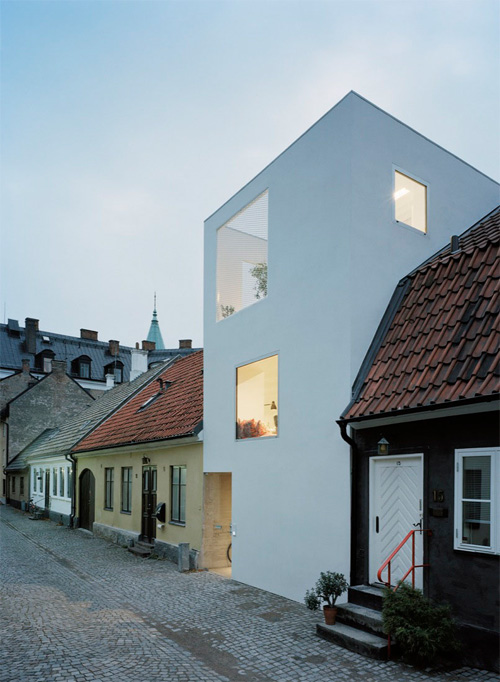
Townhouse in Landskrona. The narrow site is sandwiched between very old neighboring buildings. Three thin slabs are projected into the open volume, softly dividing its functions. The continuous interior space is opening up to the street, to an intimate garden, and to the sky.

Architects of this building is Elding Oscarson, a the joint operation between Johan Oscarson and Jonas Elding. Their collaboration is young, but combines substantial experience from employments in Sweden and Japan, covering both local and international architecture, from large projects to small ones – museums, theaters, private houses, interiors, furniture, and product design. We want to continue to challenge an eclectic array of architecture and design tasks, to see how our joint effort can contribute to new solutions, ways to live, and spaces to enjoy. We feel successful when we surprise ourselves; when our projects are highly relevant to the user, the site, or other parameters that make every project unique, real, and story-telling.

2016 - Gamla Kyrkogatan in Landskrona maps02

2016 - Gamla Kyrkogatan in Landskrona maps01

More information at www.byggahus.se and www.eldingoscarson.com.

Historic Volvo Photography Locations Overview

Posthuset in Göteborg 🇸🇪

February 13th, 2016

Volvo Photo Locations Part 187
Historic Volvo Photography Locations Overview

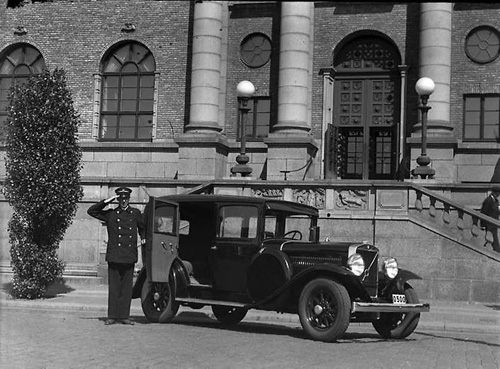
1933 - Volvo PV653

1933 – Volvo PV653 (GP.se)

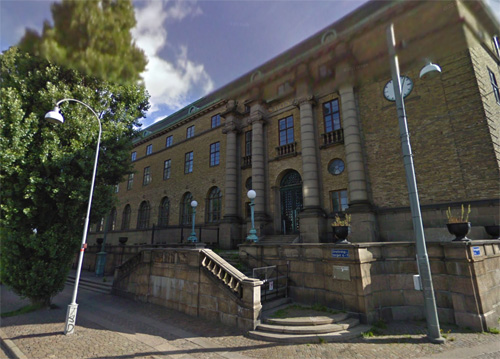
2009 - Posthuset on Drottningtorget in Göteborg (Google Streetview)

2009 – Posthuset on Drottningtorget in Göteborg (Google Streetview)

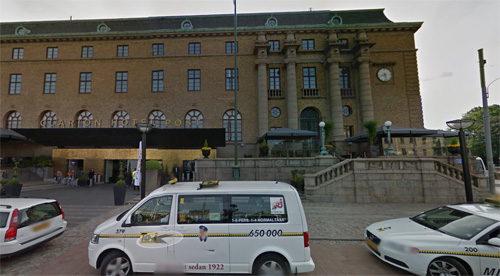
2014 - Clarion Hotel Post in the Posthuset on Drottningtorget in Göteborg (Google Streetview)

2014 – Clarion Hotel Post in the Posthuset on Drottningtorget in Göteborg (Google Streetview)

Posthuset (or Post Office) is located at Drottningtorget in Göteborg. It was designed by architect Ernst Torulf Gothenburg and was completed in May 1925.
In 1995 it was registered as a listed building, meaning that the facade and certain prominent features, for example kassahallen (the cash hall) could not be altered.

Since 2012, the building is operated as a hotel under the name Clarion Hotel Post.

2016 - Clarion Hotel Post

The Clarion Hotel Post, opened on 26 January 2012, is a hotel and conference facility at Drottningtorget in central Gothenburg, Sweden. Designed by Semrén & Månsson, the hotel was built in the former Posthuset (post office building) of Gothenburg, with the addition of a modern tower.

The hotel is owned by the Swedish firm Home Properties, which is controlled by the Norwegian billionaire Petter Stordalen. It is operated by Nordic Choice Hotels (which is also owned by Stordalen) under the trademark Clarion Hotels.

The hotel’s main entrance is from Drottningtorget and the rear entrance is from Åkareplatsen. Clarion Hotel Post has 500 rooms including three suites, a large event room that can accommodate 1,000 people and 17 meeting rooms. There are three restaurants and bars, bistro, bar and grill and a rooftop pool with good views of the city. With a total area of 36,700 square meters the conversion and extension cost a total of 1.4 billion Swedish kronor.

The hotel is divided into two parts, where Gothenburg’s historic post office is joined together with an equally spectacular new section. A reception desk cut entirely out of glass, merges with historic interior details from Posthuset’s glory days. Warm, dark colours combined with modern furnishings provide a cosy and homely atmosphere. But even more interesting than the architecture is the idea of ​​a new meeting place and an arena for a new, creative Gothenburg.

2016 - Posthuset Göteborg Maps01

2016 - Posthuset Göteborg Maps02

More information at sv.wikipedia.org and www.nordicchoicehotels.com.

Historic Volvo Photography Locations Overview

Kvarnbergsgatan in Göteborg 🇸🇪

February 13th, 2016

Volvo Photo Locations Part 186
Historic Volvo Photography Locations Overview

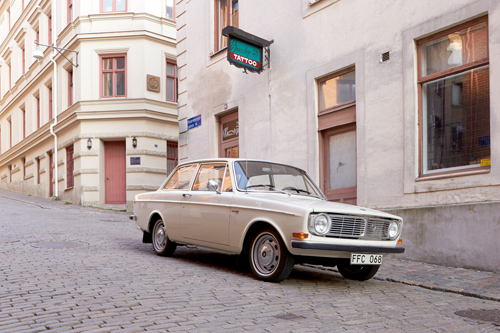
1967 - Volvo 142

1967 – Volvo 142 on Kvarnbergsgatan in Göteborg 🇸🇪

1967 - Volvo 142

1967 – Volvo 142 on Kvarnbergsgatan in Göteborg 🇸🇪

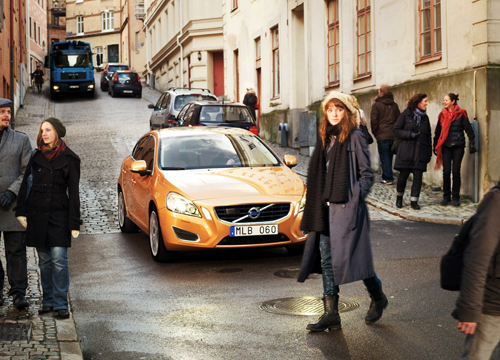
2008 – Volvo S60 on Kvarnbergsgatan and Klädpressaregatan in Göteborg 🇸🇪

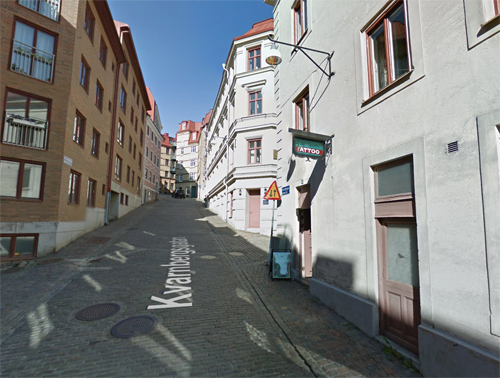
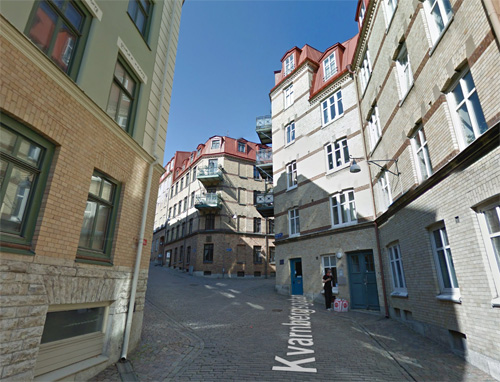
2016 - Kvarnbergsgatan in Göteborg (Google Streetview)

2016 – Kvarnbergsgatan in Göteborg (Google Streetview)

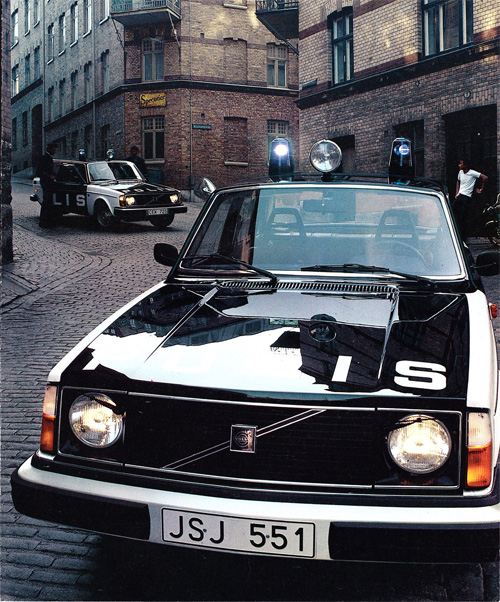
1978 – Volvo 244 DL Polis

1978 – Volvo 244 DL Polis on Kvarnbergsgatan in Göteborg 🇸🇪

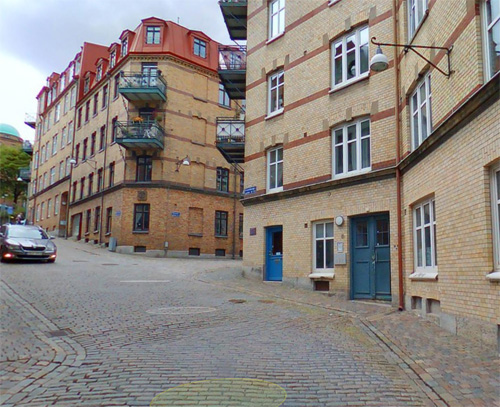
2016 - Kvarnbergsgatan in Göteborg (Google Streetview)

2016 – Kvarnbergsgatan in Göteborg (Google Streetview)

2016 - Klädpressaregatan  in Göteborg (Eniro)

2016 – Klädpressaregatan in Göteborg (Eniro)

Kvarnbergsgatan is a street in the district Nordstaden in Göteborg. It is about 70 meters long, and range from Torggatan to Övre Spannmålsgatan. The street connects with Östra Hamngatan through Klädpressaregatan.

The street was named in 1671, after windmills were erected on the Kvarnberget until the 1730s. Earlier names of this street are Väderkvarnsgatan and Kvarnbergsliden. In 1742 the street was changed so it was possible to drives to the top of Kvarnberget.

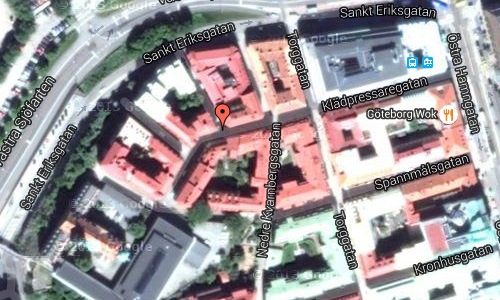
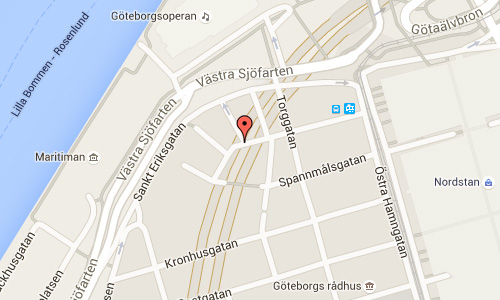
2016 - Klädpressaregatan Göteborg MAPS01

2016 - Klädpressaregatan Göteborg MAPS02

2016 - Klädpressaregatan Göteborg MAPS00

More information at sv.wikipedia.org.

Historic Volvo Photography Locations Overview

Konserthuset at Götaplatsen in Göteborg 🇸🇪

February 13th, 2016

Volvo Photo Locations Part 185
Historic Volvo Photography Locations Overview

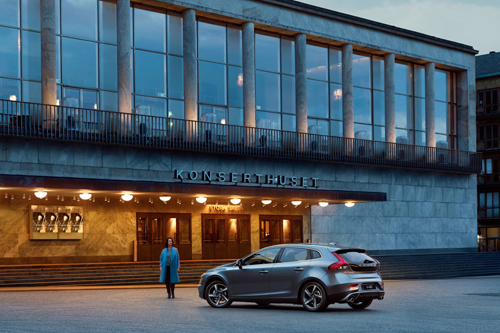
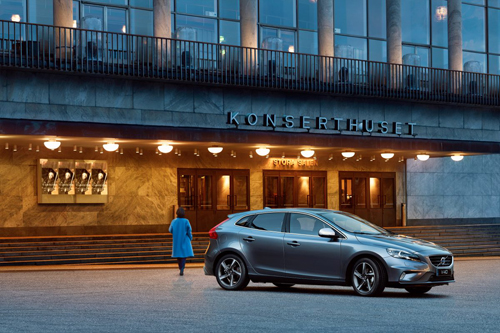
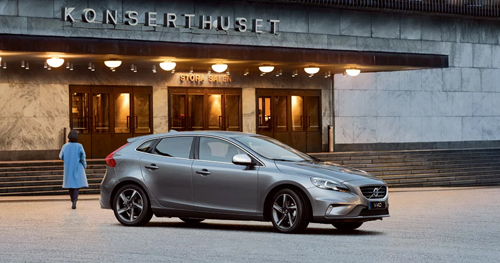
2016 – Volvo V40 R-Design with Swedish composer Marie Rosenmir at Konserthuset Göteborg

2016 - Volvo V40

2016 – Volvo V40 R-Design

2016 – Volvo V40 R-Design with Swedish composer Marie Rosenmir at Konserthuset Göteborg

2016 - Volvo V40

2016 – Volvo V40 R-Design

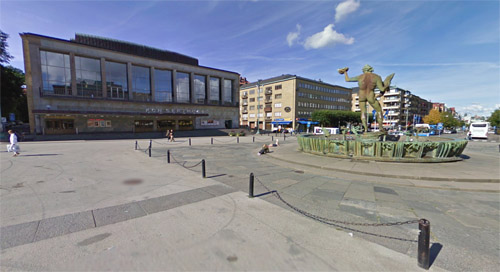
2016 - Konserthuset at Götaplatsen in Göteborg (Google Streetview)

2016 – Konserthuset at Götaplatsen in Göteborg (Google Streetview)

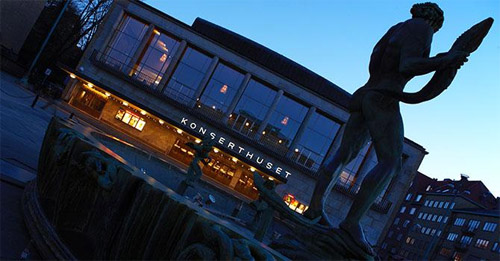
Konserthuset in Göteborg, or Gothenburg Concert Hall is a concert hall located at Götaplatsen in Göteborg, Sweden, which was built in 1935. The architect for the facility was Nils Einar Ericsson, a major advocate of Functionalism. However, the Concert Hall has a Neo-Classical exterior look, due to the surrounding area at Götaplatsen where the building is placed – the Art Museum and the City Theatre are solid classically designed buildings as well, and were built before the Concert Hall. In contrast to the exterior, the Concert Hall’s interior is modernistic.

The main auditorium’s plain shaped walls are clad in yellowish-red maple veneer and there are 1,300 seats. There is also a smaller concert hall, Stenhammarsalen, for chamber concerts. The acoustic qualities of Gothenburg Concert Hall have given it a reputation well outside the Swedish borders; Deutsche Grammophon has used the Concert Hall as a studio for a number of records, for example.

A number of progressive rock bands (among others Yes and Roxy Music) have also performed at the Gothenburg Concert Hall.

The Concert Hall is the home stage of the Gothenburg Symphony.

2016 - Konserthuset

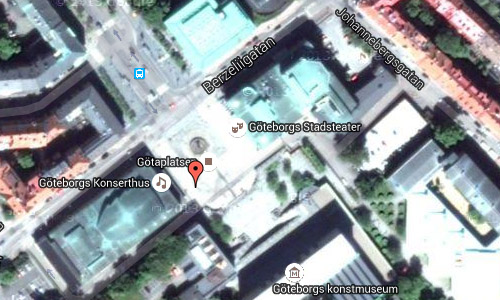
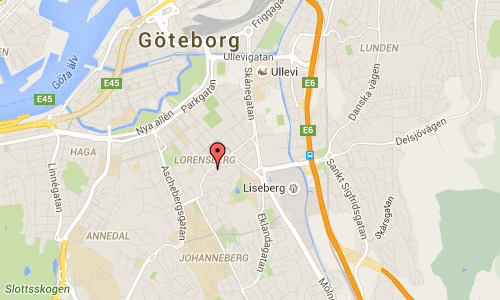
Götaplatsen is a public square in Gothenburg, Sweden, at the southern end of Avenyn, the city’s main boulevard. The square was inaugurated when Gothenburg held a major international industrial exhibition, 1923, celebrating the city’s 300th anniversary.

Götaplatsen is Gothenburg’s cultural hub, enclosed by the Gothenburg Concert Hall (where the Gothenburg Symphony Orchestra resides), the Gothenburg Museum of Art, the Gothenburg City Theatre and the City Library. At the centre of the square presides the Poseidon statue by Carl Milles—the statue has become one of the symbols of the city. On the city’s annual culture festival different Swedish musical artists usually perform free at the square, bands like Hardcore Superstar, Mustasch and Teddybears have all performed at this occasion.

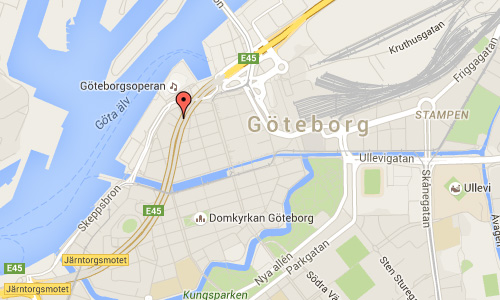
2016 - Konserthuset at Götaplatsen in Göteborg maps02

2016 - Konserthuset at Götaplatsen in Göteborg maps01

More information at sv.wikipedia.org and www.gso.se.

Historic Volvo Photography Locations Overview

Sjöbodsgatan on Smögen 🇸🇪

January 31st, 2016

Volvo Photo Locations Part 184
Historic Volvo Photography Locations Overview

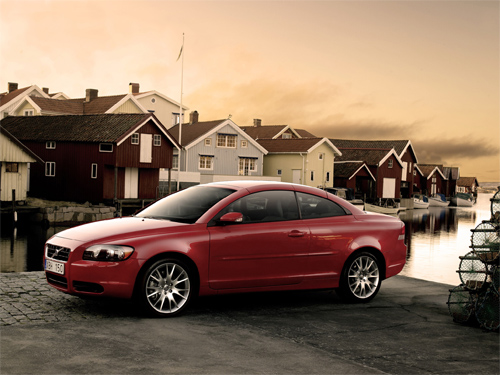
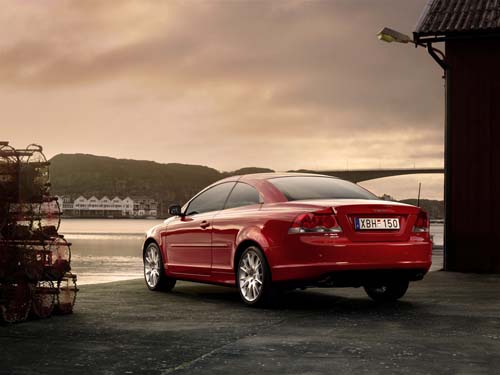
2006 - Volvo C70

2006 – Volvo C70

2006 - Volvo C70

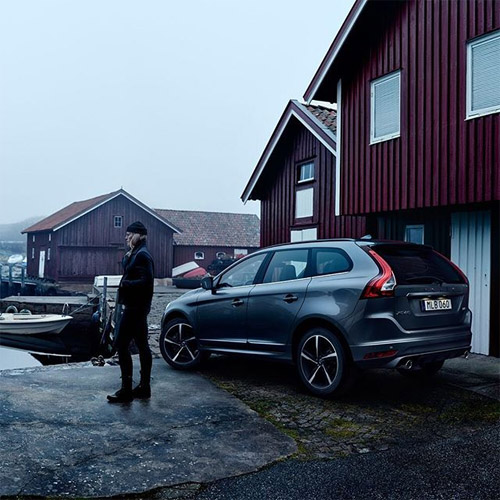
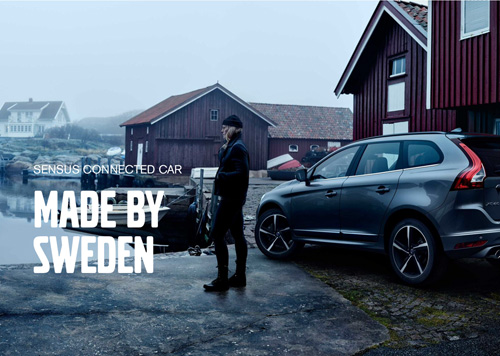
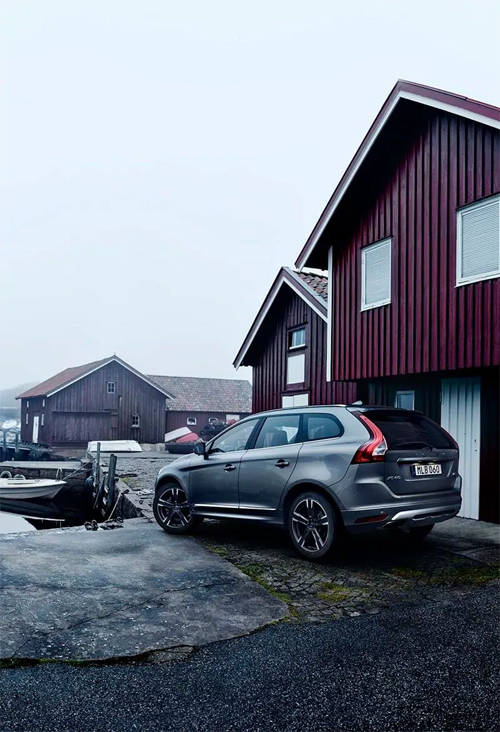
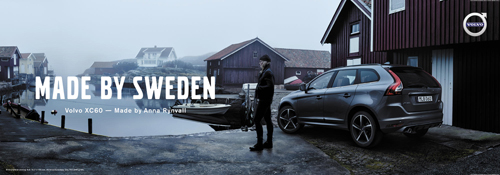
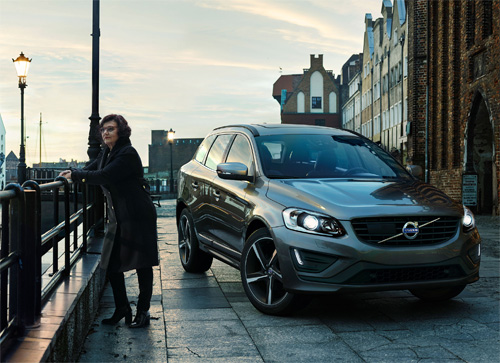
2016 - Volvo XC60

2016 – Volvo XC60 with Anna Rynvall, Volvo Cars User Experience & Connectivity Manager (2010-2017) at Sjöbodsgatan and Kanalvägen near Hasselösund in Smögen, Sweden 🇸🇪.

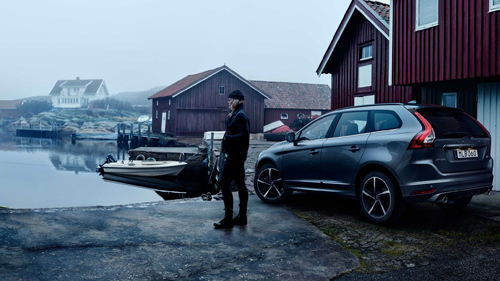
2016 - Volvo XC60

2016 – Volvo XC60 with Anna Rynvall, Volvo Cars User Experience & Connectivity Manager (2010-2017) at Sjöbodsgatan and Kanalvägen near Hasselösund in Smögen, Sweden 🇸🇪.

2016 - Volvo XC60

2016 – Volvo XC60 with Anna Rynvall, Volvo Cars User Experience & Connectivity Manager (2010-2017) at Sjöbodsgatan and Kanalvägen near Hasselösund in Smögen, Sweden 🇸🇪.

2016 – Volvo XC60

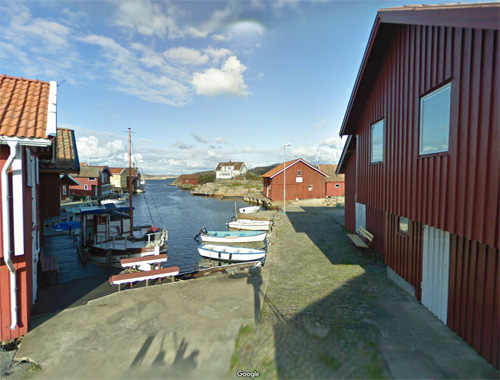
2016 - Sjöbodsgatan on Smögen (Google Streetview)

2016 – Sjöbodsgatan on Smögen (Google Streetview)

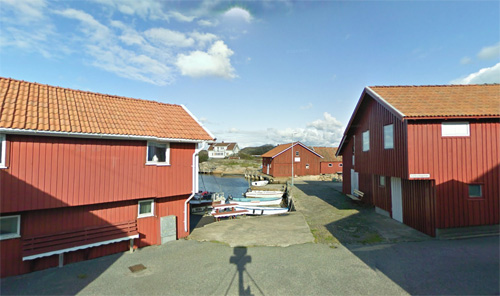
2016 - Sjöbodsgatan on Smögen (Google Streetview)

2016 – Sjöbodsgatan on Smögen (Google Streetview)

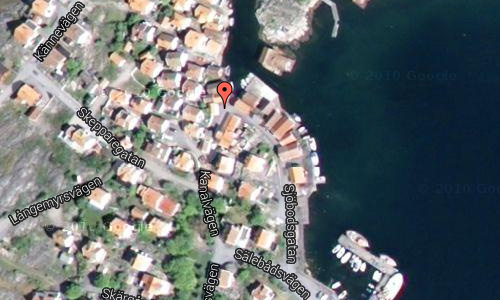
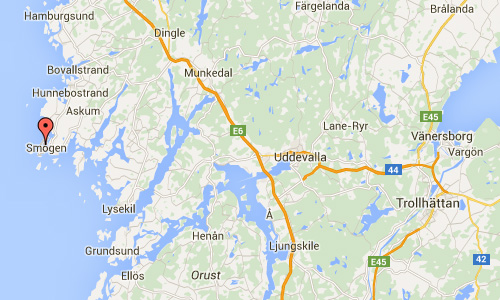
Sjöbodsgatan is a little street on the island Smögen, north of Göteborg. The area is also known as Sunnepinan on Hasselösund.

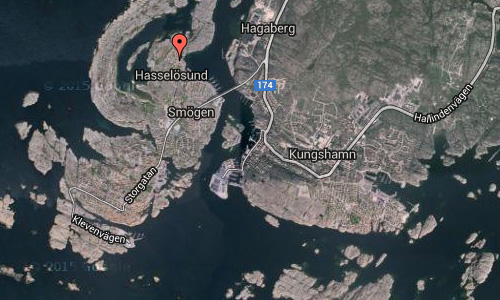
Smögen is a locality situated in Sotenäs Municipality, Västra Götaland County, Sweden with 1,329 inhabitants in 2010. It is one of the liveliest “summer towns” of the Swedish west coast.

The community actually straddled several islands that lay so close together that the space in between has since been filled, and is now considered as a single island. The southern part consists mostly of Smögen Island, which lies in the centre. Around this lies to the south Kleven, in the northwest Sandön, and in the northeast, Hasselön. The town is connected to the neighbouring town Kungshamn by Smögenbron (Smögen Bridge).

2016 - Smögen 1

Smögen is mentioned for the first time towards the end of the 16th century. The name of the community has varied over the years; amongst other names, from “Smögit”, “Smöenn”, “Smöget” and “Smygesund”. The name has probably come from the Swedish word smyghål, which translates as “sneak-hole” or “nook”, referring to the narrow inlet between the Smögen island and where the harbour lies. Around the 17th century, the island Hasselön was populated, and through the years this community has grown together with Smögen, and is today considered a part of the Smögen community.

Sjöboden on Sunnepinan 03

Sjöboden on Sunnepinan 02

Sjöboden on Sunnepinan 01

Today, Smögen is well known for its long, wooden pier, about 600 m (2,000 ft), filled with shops in old fishing huts, which are frequented by a multitude of tourists during the summer. Smögen is one of the most popular tourist destinations on the Swedish west coast, well known for its fish, prawns and other seafood, and one of Sweden’s few fish markets is located here.

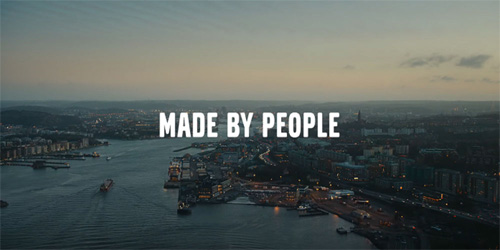
2016 - Volvo Made by People

The photo of the Volvo XC60 is part of the 2016 campaign called MADE BY PEOPLE. Pictured in the photo is Volvo Employee Anna Rynvall, User Experience & Connectivity Manager at Volvo Cars.

Bring your life with you.
The display on the center of the dashboard connects you to the rest of the world. It entertains you, tells you how to get where you are going, connecting your phone, your music, your friends and everything you’re a part of. All in a way that actually makes you a safer driver, not the other way around.

Great minds don’t think alike.

Who builds the best cars? The Germans? The Americans? The Italians? The Koreans? Or is it the Swedes? Truth is, it’s none of those. It’s all of them. Together. Ever since the 50’s we’ve brought people here from all over the world to develop and build our cars. Not because we’re a caring and human company, but because we know it makes us better. Diversity sparks creativity. It pushes innovation. It helps us to build safer and smarter cars, designed around peoples everyday life. So if you ever wondered who makes the best cars, you know now. It’s people.

2016 - Volvo  - Made by People (Photography by Peter Gehrke for Adamsky)

2016 – Volvo – Made by People (Photography by Peter Gehrke for Adamsky)

2016 - Smögen Maps03

2016 - Smögen Maps02

2016 - Smögen Maps01

More information at en.wikipedia.org and www.vastsverige.com.

Historic Volvo Photography Locations Overview

Rybackie Pobrzeże in Gdańsk, P 🇵🇱

January 28th, 2016

International Volvo Photo Locations Part 175
Historic Volvo Photography Locations Overview

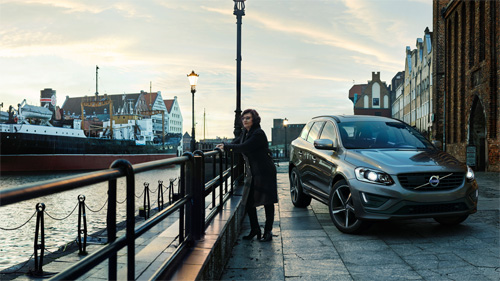
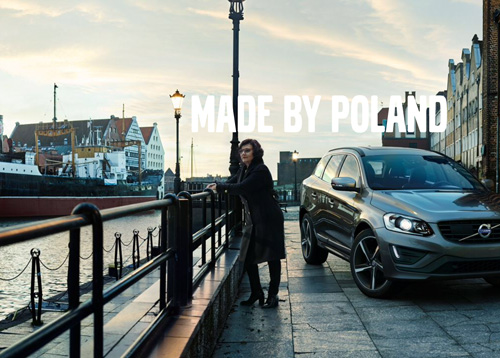
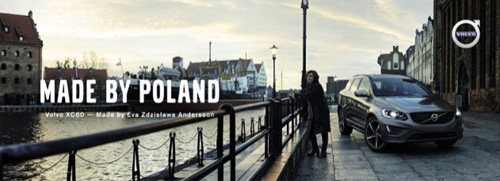
2016 - Volvo XC60

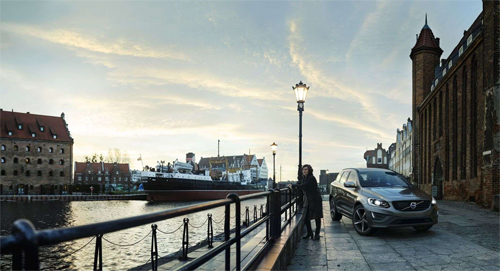
2016 – Volvo XC60 with Eva Zdzisława Andersson, Car Body Operator from Volvo Cars at Brama Straganiarska on Rybackie Pobrzeże in Gdańsk, Poland 🇵🇱.

2016 - Volvo XC60

2016 – Volvo XC60 with Eva Zdzisława Andersson, Car Body Operator from Volvo Cars at Brama Straganiarska on Rybackie Pobrzeże in Gdańsk, Poland 🇵🇱.

2016 – Volvo XC60

2016 – Volvo XC60 with Eva Zdzisława Andersson, Car Body Operator from Volvo Cars at Brama Straganiarska on Rybackie Pobrzeże in Gdańsk, Poland 🇵🇱.

2016 – Volvo XC60 at Brama Straganiarska on Rybackie Pobrzeże in Gdańsk, Poland 🇵🇱.

2016 - Volvo XC60 with Eva Zdzisława Andersson, Car Body Operator from Volvo Cars at Brama Straganiarska on Rybackie Pobrzeże in Gdańsk, Poland 🇵🇱.

2016 – Volvo XC60 with Eva Zdzisława Andersson, Car Body Operator from Volvo Cars at Brama Straganiarska on Rybackie Pobrzeże in Gdańsk, Poland 🇵🇱.

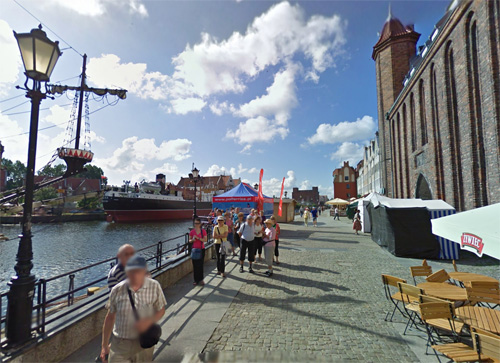
2016 - Rybackie Pobrzeże in Gdańsk, Polen (Google Streetview)

2016 – Rybackie Pobrzeże in Gdańsk, Polen (Google Streetview)

Rybackie Pobrzeże (or Fishing Embankment in English) is a street in Gdańsk – Poland where the fishmarket of this historic city was located.

With stylish, elegant cafes, art galleries and souvenirs shops on the streets: The Long Seashore (Długie Pobrzeże) and Fishing Seashore (Rybackie Pobrzeże) encourage tourists to come and sit for a while, taste an aromatic coffee and buy a souvenir necklace of bead or at least a postcard. A cocktail of emotion and impressions, which include the music, spectacular architecture, the glare of amber, noise of a cheerful crown makes us enjoy the atmosphere of that extraordinary place, which back in the medieval times was filled with tumult of fairs, where sailors used to meet, where merchants unloaded goods from ships arriving from distant lands.

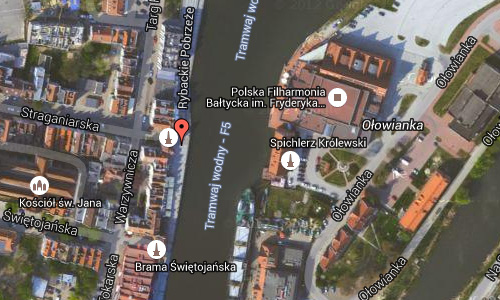
At the other side of Motława river tourists can visit Ołowianka Island and the Baltic Philharmonic, which organizes the Gdańsk Music Summer during the summer season – concerts in the open air, which can be heard from the other bank. Here one can listen to famous opera and operetta arias, Neapolitan songs and Latino songs.

Gdańsk is a Polish city on the Baltic coast, the capital of the Pomeranian Voivodeship, Poland’s principal seaport and the centre of the country’s fourth-largest metropolitan area.

The city lies on the southern edge of Gdańsk Bay (of the Baltic Sea), in a conurbation with the city of Gdynia, spa town of Sopot, and suburban communities, which together form a metropolitan area called the Tricity (Trójmiasto), with a population near 1,400,000. Gdańsk itself has a population of 460,427 (December 2012), making it the largest city in the Pomerania region of Northern Poland.

Gdańsk is the historical capital of Gdańsk Pomerania and the largest city of Kashubia. The city was close to the former late medieval boundary between West Slavic and Germanic seized lands and it has a complex political history with periods of Polish rule, periods of German rule, and extensive self-rule, with two spells as a free city. Between the World Wars, the Free City of Danzig was in a customs union with Poland and was located between German East Prussia and the “Polish corridor” to the sea where the harbour of Gdynia grew up. Gdańsk has been part of modern Poland since 1945.

2016 - Soldek

2016 – Soldek

SS Sołdek was a Polish coal and ore freighter. She was the first ship built in Poland after World War II and the first seagoing ship completed in Poland. She was the first of 29 ships classed as Project B30, built between 1949 and 1954 in Stocznia Gdańska (Gdańsk Shipyard). The name was given in honour of Stanisław Sołdek, one of the shipyard’s shock workers.

The ship is currently preserved as a museum ship in Gdańsk.

Gdańsk is situated at the mouth of the Motława River, connected to the Leniwka, a branch in the delta of the nearby Vistula River, whose waterway system supplies 60% of the area of Poland and connects Gdańsk to the national capital in Warsaw. This gives the city a unique advantage as the focus of Poland’s sea trade. Together with the nearby port of Gdynia, Gdańsk is also an important industrial centre. Historically an important seaport and shipbuilding centre, Gdańsk was a member of the Hanseatic League.

The city was the birthplace of the Solidarity movement which, under the leadership of Lech Wałęsa, played a major role in bringing an end to Communist rule across Central Europe.

2016 - Volvo Made by People

The photo of the Volvo XC60 is part of the 2016 campaign called MADE BY PEOPLE.

Great minds don’t think alike.

Who builds the best cars? The Germans? The Americans? The Italians? The Koreans? Or is it the Swedes? Truth is, it’s none of those. It’s all of them. Together. Ever since the 50’s we’ve brought people here from all over the world to develop and build our cars. Not because we’re a caring and human company, but because we know it makes us better. Diversity sparks creativity. It pushes innovation. It helps us to build safer and smarter cars, designed around peoples everyday life. So if you ever wondered who makes the best cars, you know now. It’s people.

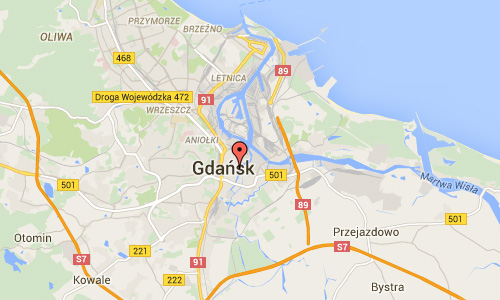
2016 - Gdansk Maps02

2016 - Gdansk Maps01

More information on en.wikipedia.org, www.gdansk.pl and www.bookletia.com

Volvo Photography Locations

Brandenburger Tor in Berlin – D 🇩🇪

January 26th, 2016

International Volvo Photo Locations Part 174
Historic Volvo Photography Locations Overview

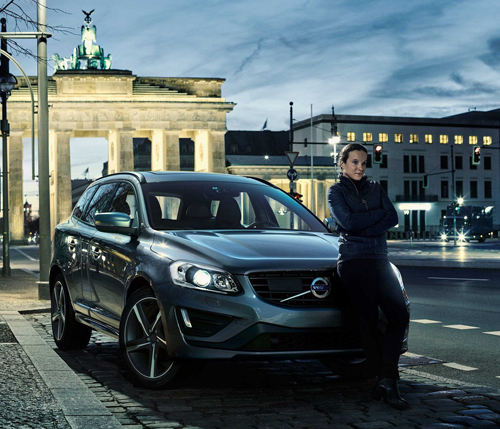
2016 - Volvo XC60

2016 – Volvo XC60 at Brandenburger Tor on Strasse des 17 Juni in Berlin, Germany 🇩🇪.

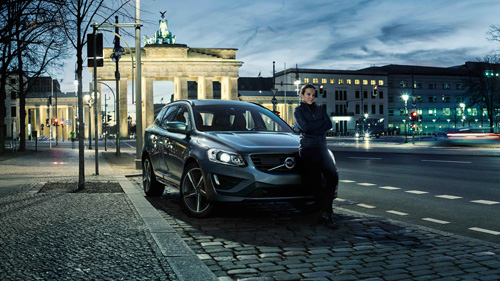
2016 - Volvo XC60

2016 – Volvo XC60

2016 - Volvo XC60

2016 – Volvo XC60

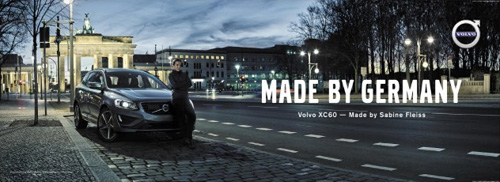
2016 – Volvo XC60 – Made by Germany

2016 - Volvo XC60 - Made by Germany text

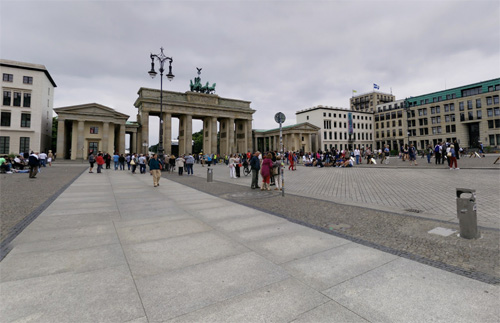
2016 - Brandenburger Tor at Pariser Platz in Berlin (Google Streetview)

2016 – Brandenburger Tor at Pariser Platz in Berlin (Google Streetview)

2016 - Brandenburger Tor at Pariser Platz and Under den Linden in Berlin (Google Streetview)

2016 – Brandenburger Tor at Pariser Platz and Under den Linden in Berlin (Google Streetview)

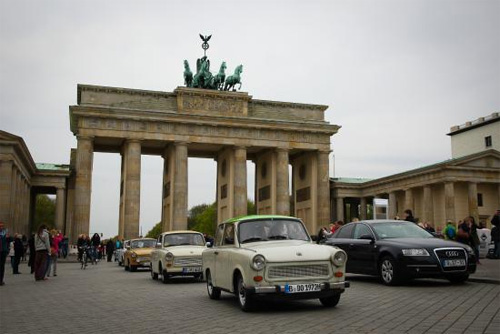
The Brandenburg Gate (German: Brandenburger Tor) is an 18th-century neoclassical triumphal arch in Berlin, and one of the best-known landmarks of Germany. It is built on the site of a former city gate that marked the start of the road from Berlin to the town of Brandenburg an der Havel.

It is located in the western part of the city centre of Berlin within Mitte, at the junction of Unter den Linden and Ebertstraße, immediately west of the Pariser Platz. One block to the north stands the Reichstag building that houses the German parliament (Bundestag). The gate is the monumental entry to Unter den Linden, the renowned boulevard of linden trees, which led directly to the royal City Palace of the Prussian monarchs.

It was commissioned by King Frederick William II of Prussia as a sign of peace and built by architect Carl Gotthard Langhans from 1788 to 1791. Having suffered considerable damage in World War II, the Brandenburg Gate was fully restored from 2000 to 2002 by the Stiftung Denkmalschutz Berlin (Berlin Monument Conservation Foundation).

During the post-war Partition of Germany, the gate was isolated and inaccessible immediately next to the Berlin Wall. The area around the gate was featured most prominently in the media coverage of the tearing down of the wall in 1989, and the subsequent German reunification in 1990.

2016 - Brandenburger Tor in Berlin 03

Throughout its existence, the Brandenburg Gate was often a site for major historical events and is today considered a symbol of the tumultuous history of Europe and Germany, but also of European unity and peace.

2016 - Volvo Made by People

The photo of the Volvo XC60 is part of the 2016 campaign called MADE BY PEOPLE. Pictured in the photo is Volvo Employee Sabine Fleiss, Engine Developer Volvo Cars.

We want to have more powerful engines, while we want them to be climate savvy.
An impossible equation? No, not really. By doing exactly the opposite of what is expected of the automotive industry – smaller engines with four cylinders instead of six – we have created the Drive-E. Power comes from the amount of air which pass through the engine, not the size of it. So, you can actually get everything. Power, fuel economy and the knowledge that you made a smart choice when it comes to the environment and the climate.

Great minds don’t think alike.

Who builds the best cars? The Germans? The Americans? The Italians? The Koreans? Or is it the Swedes? Truth is, it’s none of those. It’s all of them. Together. Ever since the 50’s we’ve brought people here from all over the world to develop and build our cars. Not because we’re a caring and human company, but because we know it makes us better. Diversity sparks creativity. It pushes innovation. It helps us to build safer and smarter cars, designed around peoples everyday life. So if you ever wondered who makes the best cars, you know now. It’s people.

2016 - Volvo  - Made by People (Photography by Peter Gehrke for Adamsky)

2016 – Volvo – Made by People (Photography by Peter Gehrke for Adamsky)

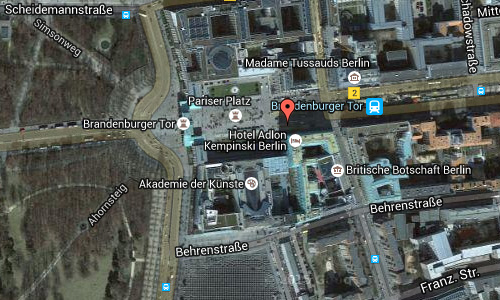
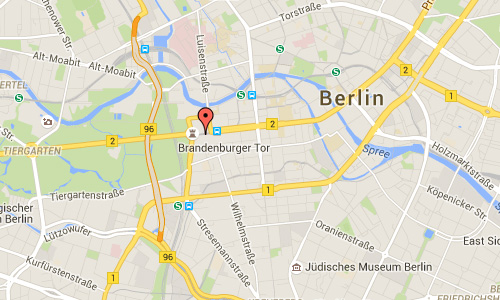
2016 - Brandenburger Tor in Berlin maps02

2016 - Brandenburger Tor in Berlin maps01

More information on en.wikipedia.org and www.brandenburg-gate.de

Volvo Photography Locations